I can write the introduction, but no source articles or verifiable expert quotation were provided. To avoid inventing an expert or falsely attributing a quote, please share a source or allow a clearly labeled original editorial quotation.

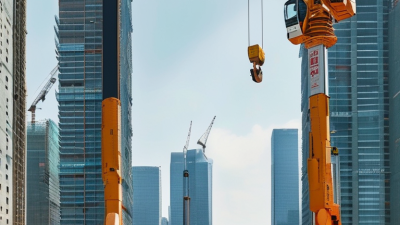
Luffing cranes are tower cranes with jibs that rise and fall to change their working radius. Unlike a flat-top crane, they can draw the jib closer to the mast when nearby buildings or cranes limit space. As the jib rises, the load moves inward. Space is precious. This movement helps crews work on dense city sites, including high-rise projects with narrow footprints and nearby structures. It can also reduce interference between cranes, though it does not remove the need for careful coordination.
Choosing a luffing crane involves more than checking its maximum lifting capacity. Site teams need to consider load weight, working radius, building height, ground support, and delivery access. Operators must follow the crane’s load chart as the jib angle changes. Wind matters. A gust can affect a suspended load, especially at height, so lift timing and load control require attention. One easy assumption is that a smaller working radius automatically makes a site safer. That deserves a second look: nearby obstacles, changing loads, and restricted visibility still demand precise planning. The equipment helps, but it cannot replace sound site judgment.
Evaluating luffing crane manufacturers starts with the job, not the brochure. Review lifting capacity at the working radius, jib configuration, hoist speed, and tower compatibility. A crane that handles a heavy load near the mast may perform differently at a longer radius. Check the load chart against actual site plans and lifting schedules.
Engineering evidence matters. Ask how the design addresses wind exposure, repeated operating cycles, and emergency stopping. Inspect weld quality, component specifications, and the clarity of maintenance instructions. Details matter. Reliable manufacturers provide traceable test records and practical guidance for installation, inspection, and operator training. Compare support response times and the availability of replacement parts, not just the initial equipment price.
Site references can reveal what specifications miss. Look for projects with similar building heights, restricted footprints, and lifting demands. Ask about documented service issues and how they were resolved. A polished presentation is useful, but it cannot replace evidence. Even careful evaluations have limits; project conditions change, and comparison tables can hide important differences. The best assessment combines verified technical data, experienced review, and questions grounded in the intended site.
Leading luffing crane manufacturers around the world compete through engineering, service support, and dependable performance on crowded sites. A steeply raised jib can help limit oversailing, while compact slewing space suits tight urban plots. Buyers should compare load charts at working radii, maximum lifting capacity, wind limits, and installation requirements. Details matter.
Global Construction Perspectives and Oxford Economics’ Global Construction 2030 report forecast construction output would reach
$15.5 trillion by 2030, 85% above 2015 levels.
That is a forecast, not a promise. Still, it illustrates the scale of construction demand that manufacturers are planning for. Strong suppliers provide clear commissioning procedures, accessible replacement parts, and technical support near major project regions. Ask for operating data from comparable sites, not just brochure figures.
Check how quickly the crane can be assembled, climbed, and adapted as the building rises. A perfect specification sheet is not enough; real sites bring delays, changing lift plans, and awkward access. Those realities deserve more attention than they often receive.
Luffing cranes differ in more than maximum lifting capacity. Their jib geometry, working radius, and load charts determine how well they fit a crowded site. Compare rated loads at specific radii, not just the headline maximum. A crane lifting 10 tonnes near the mast may handle far less at the outer working radius. Check hoist speed, tower height options, tie-in requirements, and wind limits against the project plan. Small details matter.
Manufacturers’ capabilities also show in configuration choices and technical support. Some product ranges offer compact footprints for tight urban sites, while others prioritize greater hook height or heavier lifts. Ask for engineering drawings, load charts, foundation reactions, and clear setup requirements. These documents help teams assess fit before delivery. Service access matters, too: spare-part availability and technician response can affect planned maintenance windows. That matters. Yet published specifications do not tell the whole story. A comparison may overlook site access, operator preferences, or changing lift sequences. I would not rank suppliers from brochures alone. Review comparable project references and discuss the actual lifting plan with qualified site engineers. No product is best in every situation.
Choosing a luffing crane manufacturer starts with the site, not a sales brochure. Map the building footprint, nearby structures, lifting radius, and available space for the crane’s slewing movement. A compact site may need a different configuration from a tower with clear air around it. Share realistic load weights and lifting heights with shortlisted manufacturers. Ask them to explain how their proposed crane performs at the project’s most demanding radius, not just its maximum capacity.
Check the manufacturer’s engineering support, documentation, and parts availability for the full project schedule. Request load charts, foundation and tie-in requirements, maintenance intervals, and clear guidance on wind limits. Compare how quickly technical questions are answered; delays can become costly when the crane is already on site. References from projects with similar heights or access constraints can be useful, though one successful job does not guarantee a perfect fit. I would also check who handles commissioning and operator familiarization. A detailed specification can still leave practical gaps.