Top Rough Terrain Crane Models for Optimal Performance and Versatility?
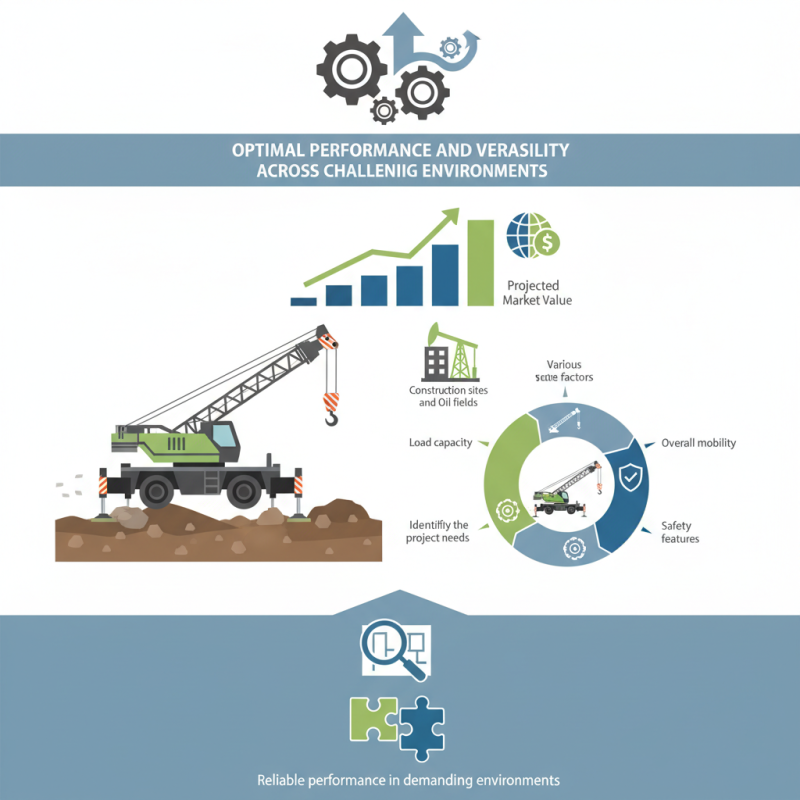
In recent years, the demand for rough terrain cranes has surged due to the expanding construction sector. According to a report by ResearchAndMarkets, the global rough terrain crane market is projected to reach USD 10.5 billion by 2026. This growth is largely attributed to the versatility and superior performance of these cranes across various challenging terrains.
Rough terrain cranes are engineered to excel in off-road conditions, making them essential for construction sites and oil fields. Their ability to maneuver over uneven surfaces provides considerable advantages. Manufacturers are focusing on innovation, enhancing lifting capacities, and improving safety features to meet industry standards. However, some models struggle with stability issues under certain conditions.
Industry experts note that selecting the right rough terrain crane involves weighing various factors like load capacity, boom length, and overall mobility. Companies must consider their specific project needs to optimize their investment. Identifying the best models can be a challenging process, yet it is crucial for successful outcomes. Understanding these nuances helps ensure the cranes operate efficiently, delivering reliable performance in demanding environments.
Top Features to Consider in Rough Terrain Crane Models
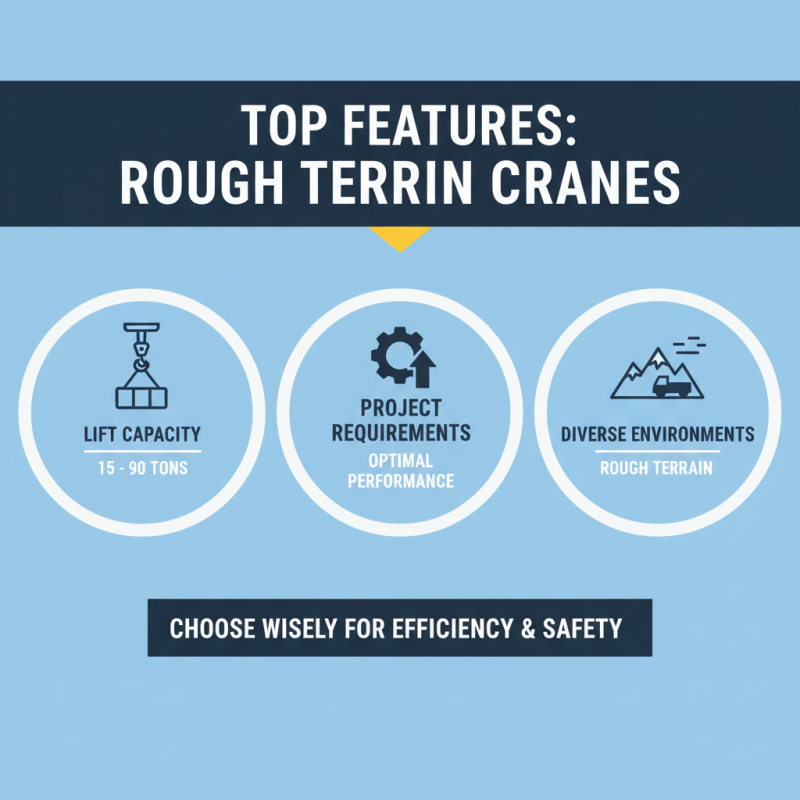
When choosing a rough terrain crane, several key features stand out for optimal performance. Firstly, consider the crane’s lift capacity. This determines how much weight it can handle in diverse environments. Most models range from 15 to 90 tons. Understanding your project requirements is crucial for making the right choice.
Another important feature is the crane's wheelbase. A wider wheelbase offers better stability on uneven ground. Operators often face challenging terrains; thus, stability is non-negotiable. Moreover, look for models with adjustable outriggers. They can enhance the crane's balance, preventing tipping during heavy lifting.
Lastly, the crane's control system plays a significant role in its versatility. Advanced models now include automated systems for smoother operation. However, these systems sometimes require specific training. Not every team is equipped for this. Balancing high-tech features with user-friendly controls is a challenge that demands careful consideration.
Key Manufacturers Dominating the Rough Terrain Crane Market
The rough terrain crane market is led by several key manufacturers who shape the industry. Recent reports indicate that this market is projected to grow significantly. By 2027, the market is expected to reach a valuation of over $5 billion USD. The demand is driven by infrastructure projects and construction activities worldwide.
Experts highlight vital features that define successful models in this sector. High lifting capacity and off-road capabilities remain crucial. Data shows that cranes with capacities exceeding 100 tons gain prominence in various applications. Their versatility in accessing rugged terrains is favorable for operators.
Investments in advanced technologies enhance crane performance. Automation and telematics are becoming industry standards. A notable gap exists in the integration of smart technologies. Many manufacturers still rely on traditional designs. They face challenges keeping up with evolving customer needs.
Performance Metrics: Load Capacity and Operating Radius of Top Models
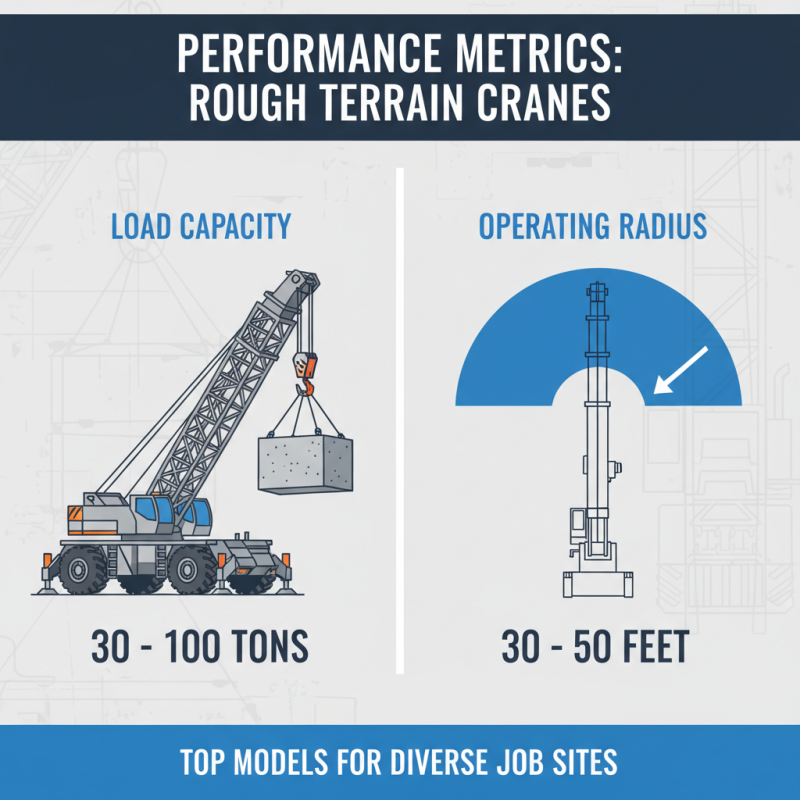
When selecting a rough terrain crane, understanding performance metrics is crucial. Load capacity and operating radius are essential factors that determine a crane's suitability for various projects. Many top models in the industry today boast impressive load capacities. For instance, models can typically lift between 30 to 100 tons, depending on the design. Adding to this, a solid operating radius often extends from 30 to 50 feet. This range affects how effectively the crane can maneuver across diverse job sites.
Not all models perform the same under challenging conditions. Some may struggle with stability when close to their maximum load capacity. Operational environments, such as uneven terrain or harsh weather, can impact performance too. The data suggests that cranes equipped with advanced stabilization systems tend to maintain efficiency, especially when dealing with heavier lifts. Misjudging these factors can lead to inefficiencies and safety concerns on site.
Ultimately, it's not just about raw statistics. Real-world performance may vary based on operator skill and maintenance practices. The investment in a high-capacity model might not yield expected results if it's not properly managed. Selecting the right equipment involves careful consideration of capabilities and site conditions. Performance metrics should align with project requirements to optimize outcomes.
Versatility in Application: Industries Utilizing Rough Terrain Cranes
Rough terrain cranes are essential in various industries due to their unique versatility. Construction sites, particularly those in remote or uneven areas, benefit greatly from these machines. They can navigate rough landscapes, making them suitable for projects that require heavy lifting in challenging environments. The ability to traverse mud, gravel, and steep slopes increases productivity. Workers often observe how these cranes can handle tasks that regular cranes cannot.
In addition to construction, rough terrain cranes play a vital role in the energy sector. They are frequently used in wind energy projects, where lifting heavy turbine components is necessary. These cranes can set up equipment efficiently, even in less accessible locations. However, their operation requires skilled personnel. Some operators might lack sufficient training, leading to potential safety issues. This emphasizes the need for proper training programs to ensure safe and effective use of these machines.
Agriculture is another area where rough terrain cranes contribute significantly. Farmers utilize them for various tasks, including lifting and transporting heavy loads. They facilitate operations, especially during harvest seasons. Yet, not every agricultural site is compatible with heavy machinery. Farmers sometimes face limitations due to terrain or soil conditions. This aspect requires careful planning and consideration when deploying rough terrain cranes in agricultural contexts.
Top Rough Terrain Crane Models for Optimal Performance and Versatility
| Model |
Max Load Capacity (tons) |
Max Lift Height (ft) |
Engine Power (HP) |
Industry Applications |
| Model A |
30 |
100 |
150 |
Construction, Oil & Gas |
| Model B |
40 |
120 |
200 |
Renewable Energy, Utilities |
| Model C |
50 |
150 |
250 |
Mining, Heavy Industry |
| Model D |
25 |
90 |
120 |
Telecommunications, Aerospace |
| Model E |
60 |
180 |
300 |
Construction, Logistics |
Emerging Technologies in Rough Terrain Cranes for Enhanced Efficiency
Rough terrain cranes are evolving. Emerging technologies are leading to significant improvements in their efficiency and capabilities. Advanced materials now reduce weight while maintaining strength. This innovation allows cranes to operate in rugged environments with better stability.
Telematics plays a crucial role in how these cranes function. Real-time data sharing enhances operational decision-making. Operators can monitor equipment status and performance metrics remotely. It helps identify issues before they escalate. However, this reliance on technology requires ongoing training.
Electric and hybrid models are gaining traction. They provide quieter operation and reduced emissions. Still, the transition comes with challenges. Battery life and charging infrastructure need development. Not every site is ready for such changes. Adapting to these technologies requires careful planning and foresight.
Top Rough Terrain Crane Models Performance Comparison