Top 10 Thermal Spray Wire Options for Global Buyers?
In the world of surface protection, "Wire for Thermal Spray" plays a vital role. Thermal spraying is a process that enhances material properties. The right wire can significantly improve the durability and performance of components exposed to harsh environments. Buyers often face challenges in selecting the best thermal spray wire. Various options exist, each tailored for specific applications.
Quality and performance are key factors in making a choice. This guide examines the top 10 thermal spray wires available globally. Each option comes with unique characteristics and benefits. Buyers must consider aspects like material compatibility, application method, and environmental factors. These considerations are crucial for achieving optimal results.
As you explore your options, reflect on your specific needs and the context of use. The selection process can be overwhelming, revealing gaps in knowledge and understanding. This may lead to mistakes in wire choice. With the right information, however, you can make informed decisions that align with your project goals. Let's delve into the best thermal spray wire options available today.
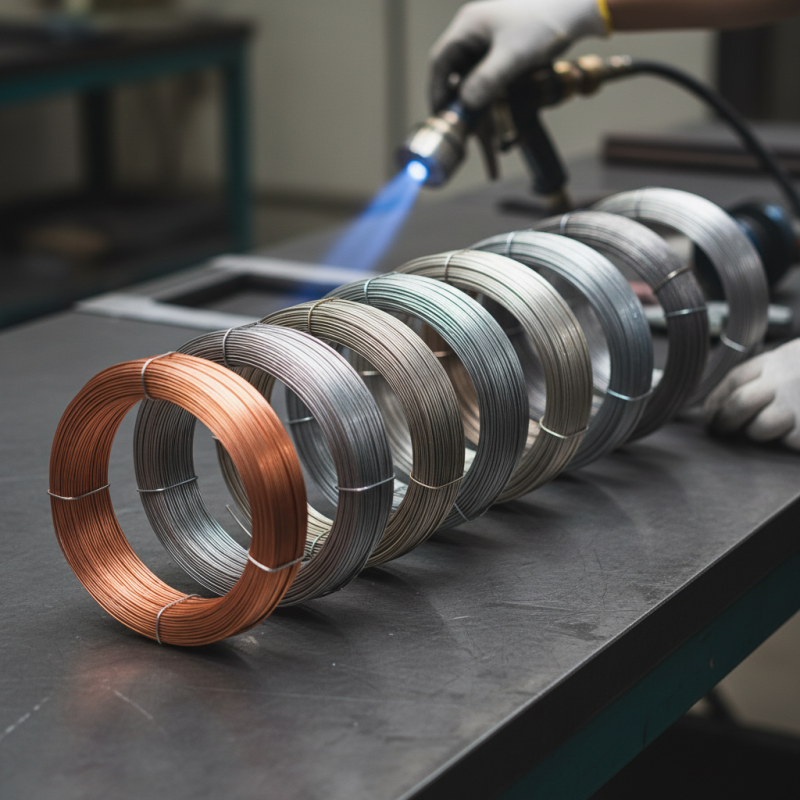
Top 10 Thermal Spray Wire Options for Global Buyers
Thermal spray wire plays a vital role in various industries, including aerospace and automotive. This application enhances surface properties, protecting against wear and corrosion. According to a report by Markets and Markets, the thermal spray market is projected to grow significantly, reaching over $9 billion by 2026. Buyers should consider several options to align with their application needs.
Selecting the right thermal spray wire can be challenging. A wire's material composition affects its deposition efficiency and performance. For instance, different alloys exhibit varied wear resistance levels. Research suggests that optimizing the spray process can result in better coatings. It's essential to understand the specific thermal spray techniques being used. Some common methods include plasma spraying and flame spraying, each with unique attributes.
Tips: Evaluate the wire diameter before purchasing. A smaller diameter may provide finer coatings, while larger diameters can increase deposition rates. Ensure you understand the substrate material for optimal bonding. Lastly, conducting pre-application tests can refine the coating process, saving time and resources. Focusing on these aspects can lead to improved coating performance and longevity in your applications.
Understanding Thermal Spray Technology and Its Applications
Thermal spray technology is a remarkable process used to apply coatings on various substrates. This method involves melting a material and then spraying it onto a surface. The result is a strong bond that enhances durability and resistance to wear. Industries ranging from aerospace to automotive greatly benefit from this technology. Surfaces treated with thermal sprays endure extreme conditions, enhancing their lifespan.
Understanding this process requires knowledge of its applications. Coatings can be tailored for specific needs, such as corrosion resistance or thermal insulation. However, achieving optimal results is not always straightforward. Factors like temperature control and spray parameters play a crucial role. Mishandling these can lead to poor adhesion or an uneven finish. Experimentation may be necessary to reach the desired outcome, emphasizing the need for expertise in the field.
The versatility of thermal spray technology offers immense potential, but it also poses challenges. Different materials yield varied properties, and not all are suitable for every application. Evaluating the suitability is key. Buyers often need to navigate these complexities. It's essential to analyze requirements thoroughly and consult with experts in the field. Engaging with knowledgeable professionals can pave the way for successful implementation and application.
Top 10 Thermal Spray Wire Options for Global Buyers
Criteria for Selecting High-Quality Thermal Spray Wires
When selecting high-quality thermal spray wires, buyers should focus on various factors. The material composition is crucial since it affects performance. Options vary widely, from stainless steel to specialized alloys. Each material offers unique benefits and limitations. Understanding these traits helps in making informed choices.
Another important criterion is the wire diameter. This affects the deposition rate and coating thickness. A smaller diameter wire can lead to better control but may limit coverage. Conversely, larger wires might provide faster application but risk uneven coats. Evaluating specific project needs is key here.
Quality control is also vital. Ensure that manufacturers follow strict standards during production. Variability in wire quality can lead to application failures. Consistency matters; even minor defects can compromise performance. Always request certifications or quality reports before purchasing. This ensures you are investing in reliable materials that will meet your expectations.
Overview of Leading Manufacturers in Thermal Spray Wire Industry
The thermal spray wire industry has seen significant growth. Many manufacturers offer a range of products to meet diverse applications. Key manufacturers focus on innovation and quality. They invest in developing advanced technologies to enhance performance and durability. This commitment to excellence has led to a competitive market landscape.
These manufacturers often prioritize customer feedback. Understanding user needs helps in refining products. Quality control measures are essential; they ensure that each batch meets rigorous standards. Certifications are common, giving buyers confidence in the reliability of the wires. However, not all manufacturers can deliver consistently. Some may struggle with production scalability, while others could face supply chain challenges.
Material selection is critical in thermal spray wire production. Common materials include stainless steel and nickel alloys. The choice impacts adherence and corrosion resistance. Buyers often report issues with inconsistency in wire diameters. This can result in variations during application, affecting the final coating quality. Addressing these problems is vital for manufacturers seeking to enhance their market presence. Each company must strive for continuous improvement and adaptation.
Comparative Analysis of Different Types of Thermal Spray Wires
When selecting thermal spray wires, various factors come into play. Materials like tungsten, ceramic, and nickel alloys each serve different purposes. Tungsten wires excel in high-temperature applications. They offer durability and resistance to wear. Their ability to maintain properties under extreme conditions is noteworthy.
Ceramic-based wires provide excellent thermal barriers. They are suitable for applications requiring low thermal conductivity. These wires can also enhance corrosion resistance. However, their brittleness may pose challenges during application. Nickel alloy wires often strike a balance between strength and flexibility. They are versatile and widely used in various industries.
Comparing these options reveals both advantages and weaknesses. Not every wire type suits every application. Factors like cost, environment, and performance requirements must be considered. Potential users may overlook the importance of these variables. This can lead to suboptimal material choices. Each category of wire presents unique challenges that need careful evaluation.
Conclusion
The article "Top 10 Thermal Spray Wire Options for Global Buyers" provides an in-depth exploration of thermal spray technology and its diverse applications across various industries. It begins with an overview of thermal spray wires, highlighting the importance of selecting high-quality options based on specific criteria such as material composition, performance characteristics, and compatibility with different spray processes. The article also includes a comparative analysis of various types of wires for thermal spray, examining their benefits and limitations to help buyers make informed decisions.
Furthermore, the piece discusses key market trends and innovations in thermal spray wire solutions, offering insights into the evolving landscape of the industry. By understanding these elements, global buyers can identify the most suitable wire for thermal spray, ensuring optimal outcomes for their manufacturing and protective coating needs.