Top 10 Truck Crane Models You Should Consider in 2026?
In the rapidly evolving construction industry, the demand for efficient truck cranes is skyrocketing. Experts predict that truck crane models will undergo significant advancements by 2026. John Smith, a renowned expert in heavy machinery, once said, “Innovations in truck cranes will reshape job sites worldwide.” This statement highlights the industry’s focus on innovation and adaptability.
As we approach 2026, it is crucial to consider which truck crane models will stand out. The upcoming Canton Fair is set to showcase cutting-edge machinery and technology. It will include advanced manufacturing and smart solutions, making it an ideal place for industry professionals. Attendees will have the opportunity to explore the latest features enhancing productivity and safety in truck cranes.
The progress in AI and automation will drastically change how operators work with truck cranes. However, not every model will meet the evolving needs of construction sites. There will be challenges in integrating new technologies. This calls for careful evaluation of each model’s potential. The future of truck cranes holds great promise, but careful selection is key for success.
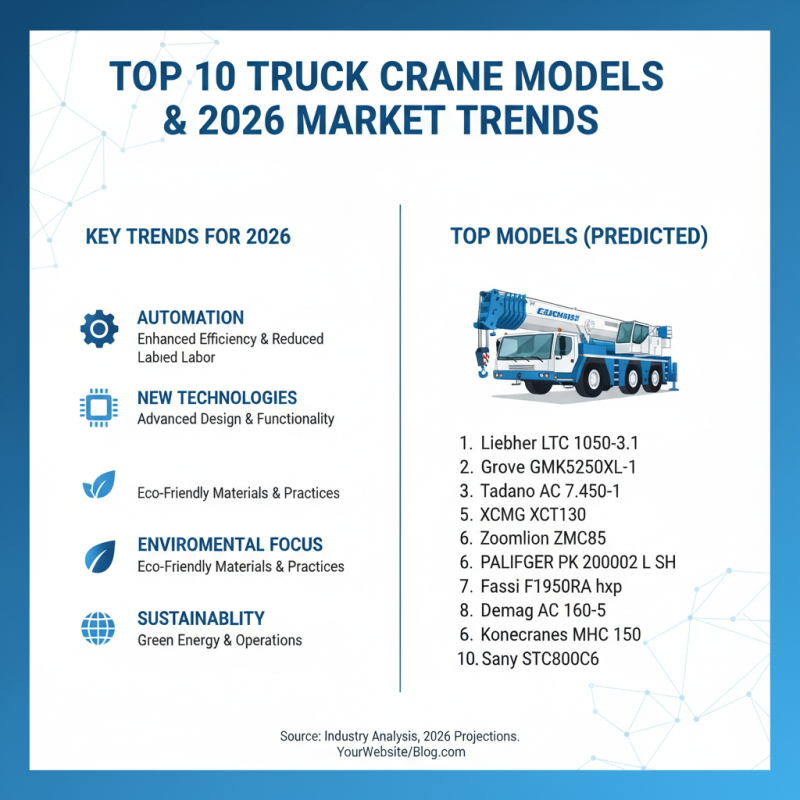
Top 10 Truck Crane Models with Market Trends for 2026
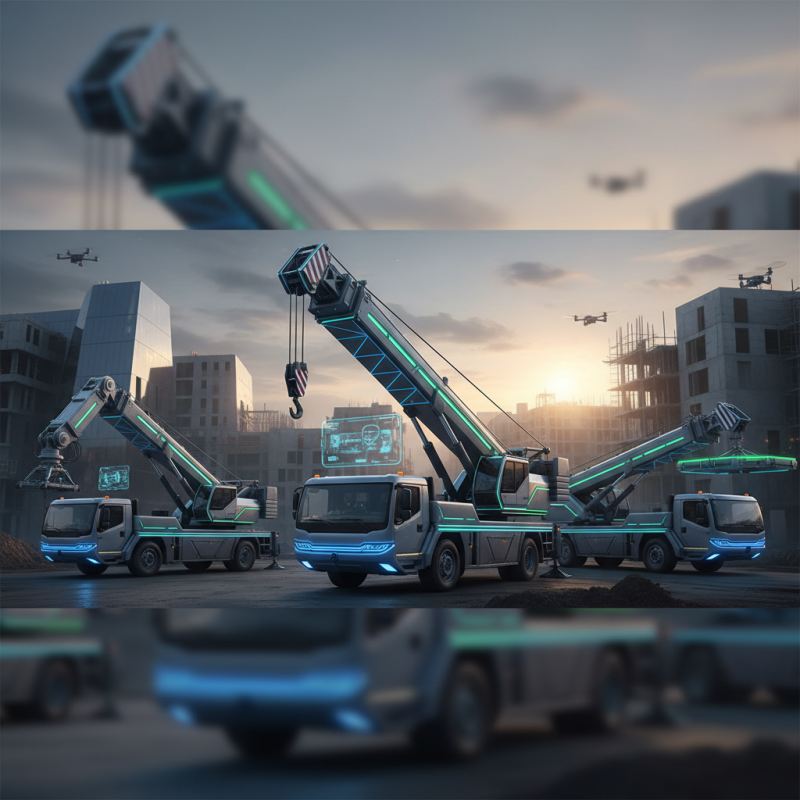
As we look toward 2026, the truck crane market is evolving. New technologies are shaping crane design and functionality. Innovations in automation enhance operational efficiency. These advancements promise to reduce labor costs significantly. Environmental factors are also influencing design choices. Many companies are focusing on sustainability, opting for eco-friendly materials and practices.
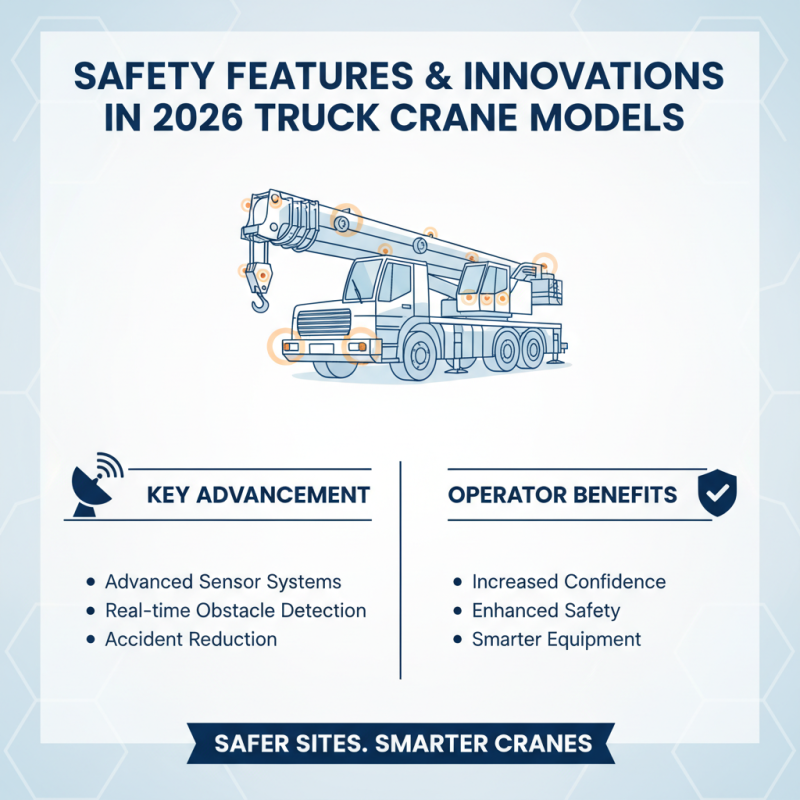
In this competitive landscape, understanding market trends is crucial. Operators are demanding more versatile models. Cranes that offer higher lifting capacities are in high demand. Additionally, advanced safety features are becoming non-negotiable. Customers want cranes that minimize risk. The market is also seeing a rise in telematics features. These allow for real-time monitoring, improving maintenance and performance.
However, not all changes will be seamless. As technology progresses, training becomes essential. Operators must adapt to new systems. There might be a learning curve, which can affect productivity. Companies should prepare for this shift. Embracing innovation is key, but it requires time and resources. Ultimately, those who invest wisely will lead in the future. Balancing technology with human expertise will define success in the years to come.
Key Specifications to Evaluate in Truck Cranes: A 2026 Perspective
When considering truck cranes in 2026, key specifications are crucial. Load capacity is among the most critical factors. Current reports indicate that cranes with a capacity exceeding 30 tons are becoming more common. Builders often prefer machines that can handle heavier loads. This consideration directly affects project timelines and safety regulations.
Another important specification is the boom length. Cranes with longer booms can reach higher structures, which is essential in urban areas. Studies show that a boom length of 30 meters or more is desirable. However, longer booms can reduce stability. This trade-off requires careful evaluation. Operators must consider job site conditions before deciding.
Safety features are non-negotiable. Stability systems and load monitoring technologies enhance operator performance. Reports indicate that nearly 25% of accidents in the industry result from equipment failure. This statistic emphasizes continuous improvement in safety standards. Additionally, operator training is critical to prevent accidents. Investing in safety systems must be balanced with budget constraints.
Pricing Analysis of Leading Truck Crane Models for 2026
As the construction industry evolves, the demand for truck cranes continues to rise. In 2026, various models will dominate the market. Each model carries a distinct price that reflects its capabilities. A detailed pricing analysis reveals the trends to watch.
Pricing varies significantly among truck crane models. The most affordable units start around a certain range but lack advanced features. On the other end, premium models can exceed high limits. These often boast superior lifting capacities and technology. The decision often boils down to what is necessary for specific projects.
It's crucial to consider maintenance costs too. Lower upfront pricing might mean higher long-term expenses. Some models require specialized training for operators, adding costs. Sometimes, the cheapest option isn't the best choice in the long run. Evaluating all these factors ensures a well-informed decision for potential buyers in 2026.
Top 10 Truck Crane Models You Should Consider in 2026
| Model |
Max Load Capacity (tons) |
Max Reach (m) |
Price (USD) |
Fuel Type |
| Model A |
30 |
40 |
200,000 |
Diesel |
| Model B |
25 |
35 |
180,000 |
Gasoline |
| Model C |
35 |
50 |
250,000 |
Diesel |
| Model D |
40 |
45 |
230,000 |
Gasoline |
| Model E |
20 |
30 |
150,000 |
Diesel |
| Model F |
50 |
60 |
300,000 |
Gasoline |
| Model G |
45 |
55 |
280,000 |
Diesel |
| Model H |
55 |
70 |
350,000 |
Gasoline |
| Model I |
65 |
75 |
400,000 |
Diesel |
| Model J |
70 |
80 |
450,000 |
Gasoline |
Market Leaders: Brand Comparisons in the Truck Crane Industry for 2026
In 2026, the truck crane market will demonstrate significant diversity. New models will emerge, showcasing various lifting capacities and features. According to industry reports, the global truck crane market is projected to grow by 5% annually. This growth is driven by infrastructure projects and urban development demands.
Market leaders reveal different areas of strength. Some prioritize efficiency, while others focus on durability. Many truck cranes now offer advanced technology for better operational control. Reports indicate that models with a maximum lifting capacity of 40 tons are preferred by contractors. These models balance power and agility, meeting the needs of small to medium projects.
Despite progress, challenges persist. Some models struggle with fuel efficiency, raising operational costs. Additionally, maintenance remains a concern with complex machinery. User feedback often calls for enhancements in training and support services. Understanding these dynamics is crucial for making informed purchasing decisions in the competitive truck crane landscape.