
How Much Does Tower Crane Rental Cost in 2026?
A tower crane can dominate a project’s skyline—and its budget. Yet there is no single 2026 rate. The tower crane rental cost depends on capacity, tower height, jib length, rental term, delivery, assembly, dismantling, and site access. A crane standing beside a tight urban site may require more planning and lifting work than one on an open foundation.
Industry reports offer context, not a job-specific quote. The American Rental Association’s Rentalytics research tracks rental-market conditions, while Rider Levett Bucknall’s Crane Index monitors crane-related construction costs across selected markets. Neither replaces a supplier’s estimate for a particular crane, location, and schedule. That distinction matters. A monthly rental price may exclude transport, erection crews, permits, engineering, or standby time.
A reliable estimate starts with the full scope. Ask what the quoted rate includes. Check the planned installation date, required reach, and expected rental duration. Small changes can shift the total.
Scott Hazelton, an analyst associated with equipment-rental market research, is a useful reference for broader rental trends. However, the material available here does not verify a direct quotation from him about tower crane pricing. I won’t invent one. This guide instead separates industry context from costs that must be confirmed with local crane providers. Short answer: compare complete bids, not headline rates.
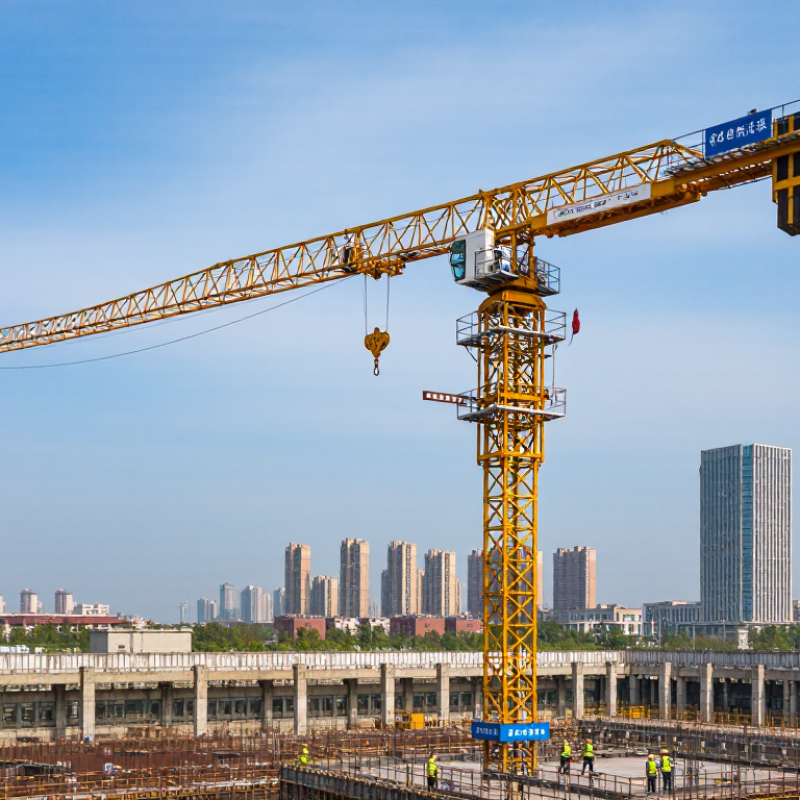
What Tower Crane Rental Includes in 2026
A tower crane rental in 2026 may cover more than the crane itself. A typical package can include transport to the site, erection, commissioning, and later dismantling. Some agreements also provide a trained operator, routine inspections, and scheduled maintenance. The exact scope depends on the crane type, rental period, site access, and lift plan. Read the quote carefully.
Check what the supplier includes for foundation design, ties to the building, and power connections. These items may be priced separately or handled by the project team. Delivery can also require road access, a mobile crane, and space for assembly. Small details matter. A narrow entrance or soft ground can change the setup plan and add cost.
Ask who responds to breakdowns, how quickly service is available, and whether operator hours are limited. Confirm charges for overtime, idle days, weather delays, and early removal. These terms are easy to overlook when comparing daily rates. I would not assume “full service” means every site task is included; rental language can be less clear than it should be. Get responsibilities and exclusions in writing before booking.
How Much Does Tower Crane Rental Cost in 2026? - What Tower Crane Rental Includes in 2026
Indicative U.S. planning ranges in USD. Actual quotes depend on crane capacity, height, project duration, site access, location, and contract terms. These figures are estimates, not guaranteed market rates.
| Cost item | Indicative 2026 planning range | What it typically covers | Commonly included in basic rental? |
|---|---|---|---|
| Crane rental | $15,000–$40,000 per month | Use of the crane for the agreed rental period; the rate varies with capacity, jib length, configuration, and height. | Yes, for equipment only; labor and logistics are often separate. |
| Delivery and transport | $5,000–$25,000 per mobilization | Hauling crane sections, counterweights, and related components to or from the jobsite. | Usually no; distance, permits, and escort needs affect the cost. |
| Erection and commissioning | $20,000–$60,000 per setup | Assembly, configuration, required checks, and preparation for operation by qualified personnel. | Often quoted separately. |
| Dismantling and removal | $20,000–$60,000 per teardown | Disassembly, lowering or removal of crane sections, and preparation for transport off-site. | Often quoted separately. |
| Operator | $8,000–$16,000 per month | Operator labor for the scheduled shift; overtime, additional shifts, and travel may be extra. | Not usually included in equipment-only rental. |
| Foundation and tie-in work | Project-specific; commonly $10,000–$50,000+ | Engineering and construction of the crane base or support, plus ties where required by the crane height and site conditions. | Usually no; often handled under separate engineering and construction scopes. |
| Permits, inspections, and engineering | $2,000–$15,000+ per project | Applicable permit applications, site-specific engineering, and inspections required by the jurisdiction or project. | Often excluded or billed as pass-through costs. |
| Insurance and damage provisions | Varies by contract and coverage | Required insurance, deductibles, responsibility for damage, and any contractual risk allocation. | Terms vary; confirm limits and exclusions in writing. |
| Typical first-month project budget | Approximately $60,000–$200,000+ | Illustrative combination of one month of equipment rental, mobilization, erection, and selected site costs; excludes unusual access or complex structural work. | Not a standard package price; request an itemized quote. |
Before signing, confirm the rental term, minimum billing period, included shifts, delivery and return costs, erection and dismantling scope, operator arrangements, maintenance responsibilities, permits, insurance, and charges for extensions or standby time.
Related Posts
-
China Top 10 Tower Crane Rental Cost Guide
-
2025 Guide: How to Choose the Best Crane Truck Rental for Your Project
-
Top Tips for Choosing Small Crane Truck Rental Services?
-
2026 How to Choose the Best Crane Rentals for Your Project?
-

Top Tower Crane Rental Options for Global Buyers?
-
Top Crawler Crane Rental Options for 2026 Buyers?