Why Are Truck Cranes Essential for Modern Construction Projects?
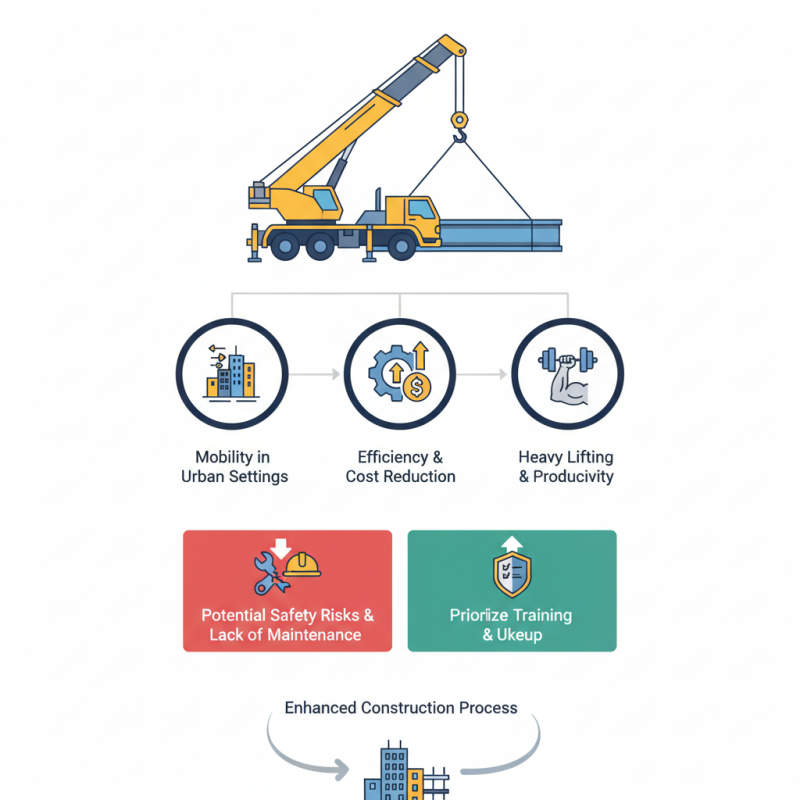
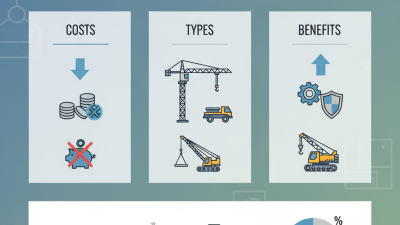
Truck cranes play a vital role in modern construction projects. These machines are designed for heavy lifting and moving materials with precision. In urban settings, space can be tight. A truck crane's mobility allows it to navigate crowded job sites effectively.
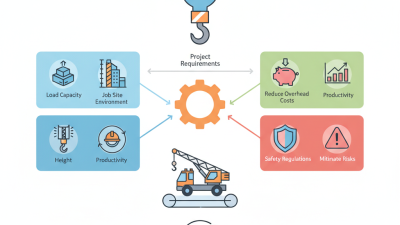
Construction projects require efficiency. A truck crane can reduce labor costs by completing tasks quickly. It lifts heavy beams or materials that a regular crane cannot manage. This capability enhances productivity on site. However, not all operators are trained adequately, leading to potential safety risks.
Despite their importance, some companies overlook regular maintenance for their truck cranes. This negligence can result in delays and increased costs. Construction managers must prioritize training and upkeep to maximize the benefits of truck cranes. When used correctly, these machines truly enhance the construction process.
Importance of Truck Cranes in Modern Construction Projects
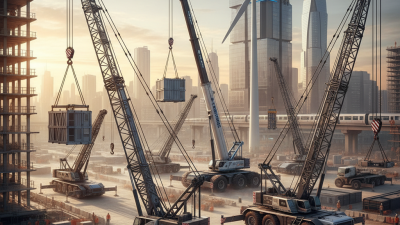
Truck cranes play a crucial role in modern construction projects. They provide the lifting power needed for heavy loads. From steel beams to concrete panels, truck cranes make these tasks easier. Their mobility allows them to reach various locations on a site efficiently. This versatility reduces downtime, keeping projects on schedule.
The use of truck cranes also enhances safety. Workers can operate these machines from a distance. This minimizes risks associated with manual lifting. However, operators must be skilled and properly trained. Miscalculations can lead to accidents, which is a serious concern. Regular maintenance is essential to ensure safety and performance.
While truck cranes are vital, they also have limitations. They require space to maneuver and set up. Tight urban areas can pose challenges. Project managers must plan accordingly. The balance between efficiency and space constraints is delicate. This requires thoughtful consideration throughout the construction process.
Importance of Truck Cranes in Modern Construction Projects
This bar chart illustrates the percentage of construction projects utilizing truck cranes in various sectors, highlighting their essential role in modern construction.
Key Features of Truck Cranes That Enhance Efficiency
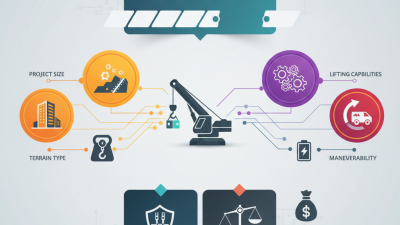
Truck cranes play a vital role in modern construction. Their versatility is a key feature that enhances efficiency. These cranes can move materials easily on-site and transport them over different terrains. They are designed to handle substantial loads, making them essential for heavy construction tasks.
One important aspect is the crane's mobility. Truck cranes can be quickly transported from one location to another. This reduces downtime and speeds up project completion. Operators can set them up efficiently, minimizing work delays. However, the setup can be complex if not managed properly. Proper training is crucial for operators to utilize the crane's features effectively.
Tips: Regular maintenance is essential to ensure optimal performance. Inspecting hydraulic systems can prevent costly breakdowns. Always consider weight limits to avoid accidents. Planning the lift path helps in executing tasks smoothly. These simple actions can significantly improve safety and efficiency on site.
Common Applications of Truck Cranes in the Construction Industry
Truck cranes are pivotal in modern construction, offering versatility across various projects. These machines excel in lifting heavy materials on-site, improving efficiency and safety. Common applications include high-rise building construction, bridge installation, and power line maintenance. In particular, the global crane market is projected to grow to $25 billion by 2025, highlighting their increasing demand.
In urban areas, truck cranes help in constructing skyscrapers and large commercial buildings. They maneuver through tight spaces, providing the necessary height and lifting capacity. A report from the American Crane and Rigging Association states that crane-related incidents are most often linked to operator error. This shows the need for rigorous training and certification for crane operators.
Tip: Ensure your operators have proper training. Enhanced skills lead to decreased accidents. Regular maintenance checks of the cranes can prevent unexpected failures during operations.
Moreover, truck cranes frequently support the installation of bridges. Their reach and load capacity make them suitable for lifting large sections into place. Ironically, despite their importance, many projects underestimate the logistical planning for crane placement. Overlooking this aspect can lead to delays and increased costs.
Tip: Plan crane operations early. This can help mitigate risks and streamline the construction process.
Addressing these factors ensures that truck cranes remain integral to successful construction projects, showcasing their essential role in the industry's growth.
Why Are Truck Cranes Essential for Modern Construction Projects?
| Application |
Capacity (Tons) |
Typical Use |
Height (Feet) |
Mobility |
| Lifting Steel Beams |
15-40 |
Commercial Buildings |
50-120 |
High |
| Building Foundations |
10-20 |
Residential Projects |
30-80 |
Moderate |
| Heavy Equipment Relocation |
30-60 |
Industrial Sites |
40-90 |
High |
| Utility Installation |
20-50 |
Electrical and Water Projects |
60-110 |
Moderate |
| Sign Installation |
5-15 |
Commercial Signs |
20-50 |
Low |
Safety Considerations When Using Truck Cranes on Job Sites
Truck cranes are vital for efficiency in construction. However, safety should always be the top priority when operating these machines. Each job site presents unique challenges. Proper assessment of the environment is crucial to prevent accidents. Uneven ground, overhead power lines, and weather conditions can all pose risks.
Workers must be trained. They need to understand crane operation and site safety protocols. Regular safety drills can help reinforce these rules. Communication is key; signals between operators and crew must be clear. Misunderstandings can lead to dangerous situations.
Equipment inspection is non-negotiable. Operators should check for any mechanical issues before starting work. Cranes must also have the right load capacity for the tasks. Overloading can result in tipping or equipment failure, creating serious dangers. Safety gear, like helmets and harnesses, should always be worn. Taking every necessary precaution can minimize accidents.