Understanding Tower Crane Rental Costs: A Comprehensive Guide for Contractors
When embarking on a construction project, one of the most critical considerations for contractors is the tower crane rental cost. Understanding these costs is essential not only for budgeting purposes but also for ensuring that the right equipment is sourced to meet project demands efficiently. Tower cranes play a pivotal role in lifting heavy materials and facilitating construction processes at height, making their rental a significant aspect of project planning and execution.
In this comprehensive guide, we will delve into the various factors that influence tower crane rental costs, from the duration of the rental to the specifications of the crane itself. By exploring the nuances of pricing structures, contractors can better navigate the options available to them and make informed decisions that align with their project timelines and financial constraints. This understanding not only aids in accurate cost estimation but also helps in optimizing the use of cranes, thereby enhancing productivity on site.
As we explore the top 10 aspects related to tower crane rental costs, contractors will gain valuable insights into market trends, best practices for negotiation, and tips for minimizing expenses. With the right knowledge at hand, contractors can ensure their projects remain on track while effectively managing the financial implications associated with tower crane rentals.
Factors Influencing Tower Crane Rental Costs: Key Considerations for Contractors
When it comes to tower crane rental costs, several key factors significantly influence the overall expenses that contractors encounter. One of the primary considerations is the duration of the rental. Longer projects may benefit from discounted rates, while short-term rentals can incur higher fees. Additionally, the type and specifications of the crane also play a crucial role; specialized cranes designed for particular tasks or with advanced technology often come at a premium.
Another significant factor is the location of the project. Urban areas typically have higher rental costs due to increased demand and logistical challenges. Accessibility to the construction site can also affect transportation costs, which are an essential part of the rental agreement. Contractors need to account for any necessary permits and compliance with local regulations, as these can add to the overall project costs.
Understanding these influencing factors can help contractors budget more effectively and make informed decisions when renting tower cranes for their projects.
Understanding Types of Tower Cranes and Their Impact on Rental Pricing
When evaluating tower crane rental costs, understanding the various types of tower cranes is essential, as they significantly influence pricing structures. The tower crane market, valued at USD 16.3 billion in 2024, is anticipated to grow to USD 22.1 billion by 2030, reflecting a compound annual growth rate (CAGR) of 5.2%. This growth can be largely attributed to the rising demand for construction machinery, where tower cranes are pivotal for large-scale projects.
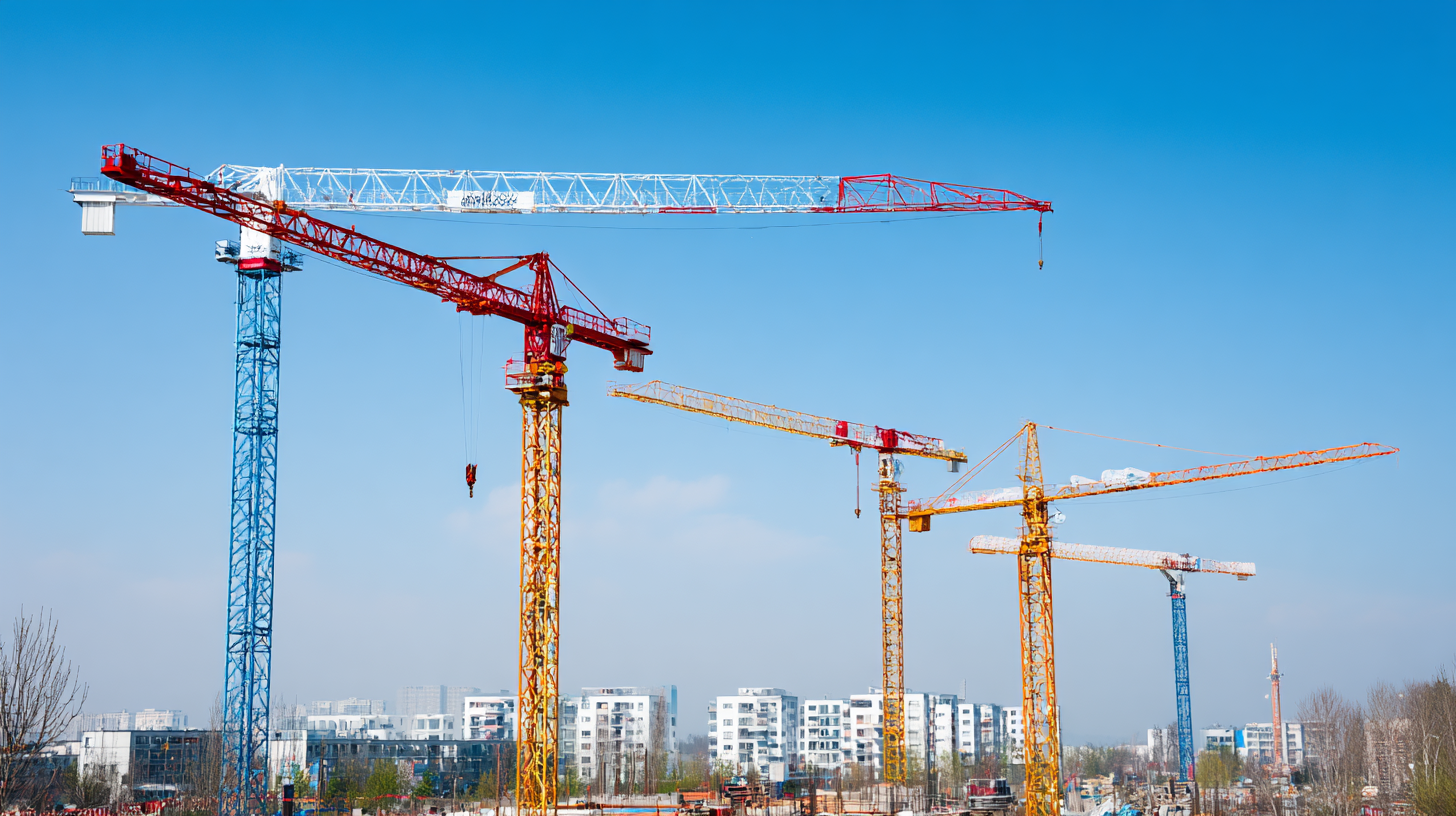
The type of tower crane selected can dramatically affect rental prices. For instance, traditional freestanding tower cranes tend to be more economical for extensive urban projects due to their height and lifting capabilities, while jump cranes, which are designed to grow with the building's height, may incur higher rental rates due to their specialized requirements. Specialized crane variants, such as luffing jib cranes, while more expensive to rent, offer advantages in tight urban sites where maneuverability is paramount. Understanding these nuances helps contractors accurately project rental costs and align them with their project's financial planning.
Essential Tips for Budgeting Tower Crane Rentals: Maximizing Value
In the realm of construction, budgeting for tower crane rentals is a crucial aspect that contractors must navigate effectively. The global tower crane market is on an upward trajectory, expected to surge from $6.14 billion in 2024 to $8.76 billion by 2032, with a compound annual growth rate (CAGR) of 4.70%. This growth is reflective of the increasing demand for efficient lifting solutions within large-scale construction projects, such as the $310 million revitalization of the former Hudson's Bay building in Winnipeg, which is set to become a vibrant cultural and housing hub.
To maximize value in tower crane rentals, contractors should consider key strategies. First, it is essential to assess the project timeline accurately to avoid paying for rental days that are not utilized. Second, collaborating closely with your crane rental service can lead to tailored contracts that meet specific project needs, potentially lowering costs. Lastly, investing in high-quality, versatile cranes can reduce breakdown times and ensure smooth operations, ultimately promoting better financial outcomes for the entire project. By implementing these tips, contractors can make informed decisions that enhance both operational efficiency and budget management.
Hidden Fees in Tower Crane Rentals: What Contractors Need to Know
When contractors consider tower crane rentals, it’s crucial to recognize the hidden fees that can significantly impact overall costs. According to industry reports, nearly 15-20% of the total rental price can be attributed to various additional charges, such as delivery fees, set-up and dismantling costs, and insurance, which many contractors overlook. Crane and rigging insurance is essential, as it protects against risks associated with renting and operating these machines. Failing to account for these expenses can lead to unexpected financial strain on a project.
Tips for contractors include always asking for a detailed breakdown of rental fees before finalizing agreements. Understanding which costs are included in the base rate and which are additional can prevent surprises down the road. Additionally, investing in a comprehensive insurance program can mitigate potential liabilities associated with crane operations, which are critical given the complexities of construction environments. Contractors should compare different insurance policies to find the best coverage that aligns with their operational needs.
Moreover, contractors should maintain open communication with rental companies about potential extra charges. For instance, some companies may offer discounts for long-term rentals or package deals that include insurance. By strategically navigating these costs, contractors can optimize their budgets and ensure smoother project execution.
Cost-Saving Strategies for Renting Tower Cranes Effectively
When renting tower cranes, contractors can significantly reduce costs by adopting
strategic planning and negotiation tactics. One effective approach is to assess the
project’s specific requirements thoroughly before initiating a rental agreement. By
understanding the lifting capacity and height needs, contractors can avoid
over-specifying their crane selection, thus preventing unnecessary expenses.
Furthermore, renting for a longer period can often yield discounts, so evaluating the
anticipated project timeline is essential for maximizing
budget efficiency.
Another cost-saving strategy involves
comparing multiple rental companies to secure the best deal. It’s crucial to consider
not only the rental price but also the terms of service, maintenance support,
and insurance options offered by different providers. Engaging in open negotiations
can lead to favorable agreements, especially if contractors demonstrate flexibility
regarding rental timing or volume. Additionally, establishing long-term relationships
with reliable rental companies can lead to loyalty
discounts and more favorable rates on future projects, further enhancing
cost efficiency over time.