How Much Does Boom Crane Rental Cost?
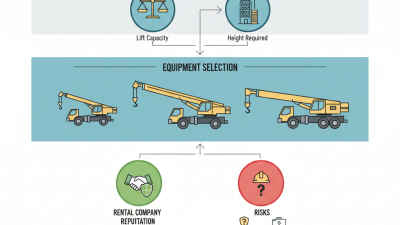
Boom crane rental pricing is not a single hourly number. It depends on the crane’s capacity, boom reach, rental duration, delivery distance, and jobsite conditions. A compact truck-mounted boom crane may suit a light rooftop placement. A heavier lift can require a larger machine, extra setup time, and more crew support. Those details change the estimate quickly.
Joel Dandrea, executive director of the Specialized Carriers & Rigging Association, is a relevant industry authority. However, no source text was provided to verify a verbatim statement from him about boom crane rental costs. Rather than invent a quotation, this guide follows a practical planning principle: match the crane to the lift plan, not just the advertised rate. That distinction matters. A low daily price may not include transport, operator time, permits, or setup. Ask for an itemized quote, and confirm what each line covers.
Small details count. A narrow driveway, soft ground, overhead wires, or a long reach can affect crane selection and planning. Share the load’s weight, dimensions, pick-and-place locations, and site photos with the rental provider. Then compare quotes on the same scope. Even careful estimates can change when site conditions differ from the initial description. That is worth admitting upfront. A realistic budget leaves room for such surprises without treating every estimate as final.
What Is Boom Crane Rental and What Does It Include?
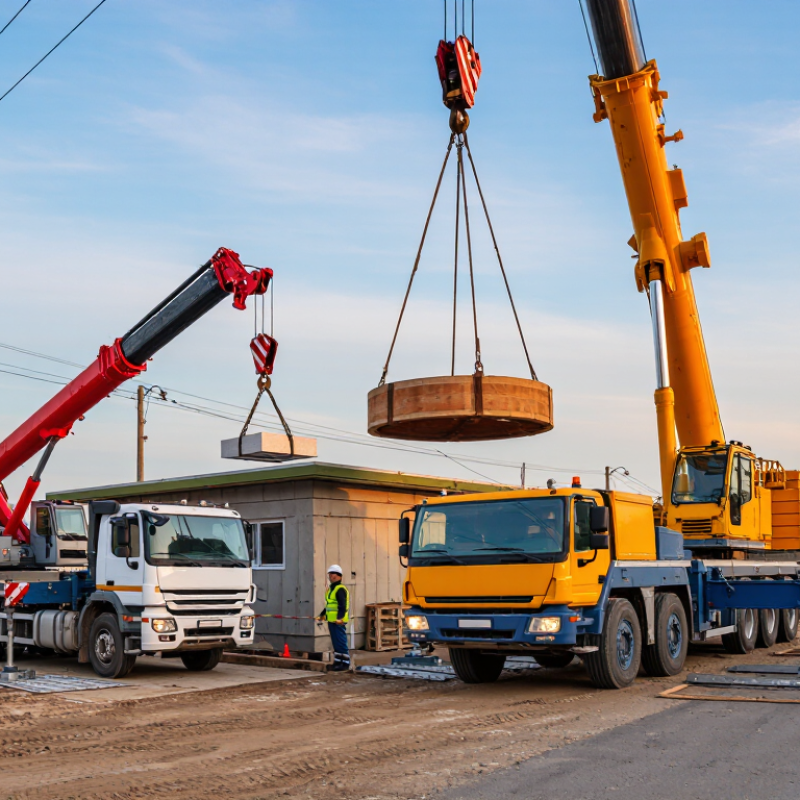
Boom crane rental gives a project temporary access to a crane mounted on a truck or carrier. Its hydraulic boom lifts materials and places them where forklifts or fixed equipment cannot easily reach. A rental may include the crane, a qualified operator, delivery, setup, and basic lifting gear. These items vary by provider and job. Not always.
Before requesting a quote, share the load’s weight, pickup point, landing point, and required lifting height. A pallet of roofing material beside a clear driveway is very different from equipment lifted over a wall. The operator can use these details to assess boom reach, capacity, and setup needs. Ground firmness matters, too; stabilizers need a suitable surface. Ask whether rigging, travel time, fuel, minimum rental hours, and setup charges are included. These can change the final price substantially. One detail is easy to miss: a crane’s maximum rated capacity does not apply at every boom extension. A longer reach can reduce lifting capacity. I’ve seen estimates become less useful when the site description leaves out a tight access lane or overhead obstruction. Photos and measurements help, though they do not replace an on-site assessment when conditions are uncertain.
How Much Does Boom Crane Rental Cost? What Is Boom Crane Rental and What Does It Include?
Boom crane rental provides temporary use of a crane with a powered boom for lifting and placing materials. Typical U.S. daily rental rates vary by crane capacity; the planning ranges below are estimates and generally exclude the operator, delivery, permits, fuel, and other job-specific charges.
Rental packages may include the crane and basic equipment. Depending on the provider and project, an operator, transportation, setup, rigging, permits, overtime, and insurance may be charged separately. Confirm what is included in the quote.
Which Factors Determine Boom Crane Rental Costs?
How Much Does Boom Crane Rental Cost?
Which Factors Determine Boom Crane Rental Costs?
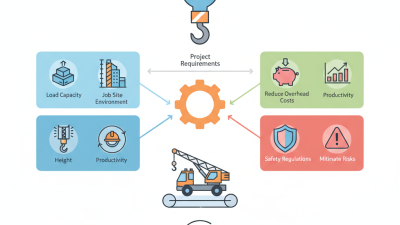
Boom crane rental costs depend less on a single daily rate than on the job’s full requirements. Capacity and boom reach matter: lifting a rooftop unit over a three-storey building calls for different equipment than placing materials beside a clear loading area. Larger cranes generally cost more, and extra reach can affect transport and setup needs. The quoted rental period also matters. A half-day booking may not cost half of a full day, especially when delivery and setup are included. Ask what the stated rate covers.
Site conditions can change the price quickly. Narrow streets, soft ground, overhead obstacles, or limited setup space may require extra planning, mats, or support equipment. Delivery distance and travel time add mobilization costs. An operator’s time, rigging gear, fuel, and standby hours may be listed separately, so compare complete quotes rather than headline rates. Weather delays can also extend a booking. Not every detail is predictable. A useful quote should describe the lift, schedule, site access, and included services; vague assumptions can become expensive on the day. Share clear load weights and lifting distances when requesting estimates, and confirm how changes are priced.
How Are Boom Crane Rental Rates Structured?
Boom crane rental rates are usually built from more than the machine’s hourly price. A quote may combine a base rental period, operator labor, delivery, fuel, and setup or teardown. Billing may be hourly, half-day, or full-day, often with a minimum charge. That minimum matters. If a lift takes two hours but the minimum is four, the bill may still cover four hours. Some providers also charge for travel time, particularly when a job site is far from their yard.
The crane’s capacity, boom reach, and site conditions can affect the rate. A narrow driveway, soft ground, or restricted setup area may require extra planning or equipment. Ask whether the operator’s time starts at dispatch or arrival, and how overtime or standby time is billed. For example, a delayed delivery of materials could leave the crane and crew waiting, with charges continuing. Not every quote separates these costs clearly; I’d want that clarified before comparing prices. Check what the estimate includes, how long the quoted rate remains valid, and whether cancellation or weather delays change the charge.
What Additional Fees Can Increase the Rental Cost?
A boom crane rental quote may show an attractive hourly rate, but extra charges can change the total quickly. Delivery and pickup fees often depend on travel distance, crane size, and whether special transport is needed. Ask whether billing starts when the crane leaves the yard or when it reaches your site. That detail matters. An operator may be included, or charged separately, and overtime can apply when a lift runs past the booked shift. Rigging gear, setup mats, and site inspections may also appear as separate line items.
Site conditions can add costs that are easy to miss. A narrow access road, soft ground, or overhead obstacles may require extra preparation, traffic control, or a different crane configuration. If the work is delayed by other trades or poor weather, standby time may still be billable under the rental terms. Fuel, insurance, permits, and cancellation fees vary by provider and location, so request them in writing. It is tempting to compare quotes by hourly price alone; that assumption deserves a second look. A useful estimate lists the expected work hours, travel, setup, operator time, and possible delays, while leaving room for genuine site changes.
How Can You Estimate and Compare Rental Quotes?
Estimate the full job cost, not just the hourly crane rate. Ask whether the quote includes delivery, setup, pickup, operator, fuel, and minimum rental hours. A boom crane may look affordable until mobilization and standby time appear. Small print matters.
The American Rental Association’s 2024 Rental Market Monitor forecast U.S. equipment and event rental revenue of $78.2 billion for 2024. That figure covers many equipment types, not boom cranes, so it is market context—not a crane-rate benchmark. Request itemized quotes for the same crane capacity, rental period, lift plan, and site conditions. Compare overtime rates, cancellation terms, weather delays, and any charges for permits or special rigging.
Check access details before comparing totals. A narrow gate, soft ground, overhead lines, or a longer reach can change the required crane and setup time. Share the load weight, pick radius, lift height, and delivery address with every rental provider. Ask each one to state its assumptions in writing. A spreadsheet helps, but it can still miss an awkward site constraint; verify the lift requirements with a qualified crane professional before booking.