How to Calculate Tower Crane Rental Cost Effectively?
When planning a construction project, understanding tower crane rental cost is essential. These costs can vary significantly depending on multiple factors. It's crucial to assess your project's specific needs before finalizing your rental agreements.
Tower crane rental costs are influenced by duration, location, and crane type. Often, companies overlook these variables, leading to budget overruns. For instance, renting a larger crane may seem beneficial, but it could inflate costs unnecessarily if a smaller model suffices.
Additionally, communication with rental companies is vital. Ask about hidden fees or additional charges that may arise. This transparency can help avoid unexpected expenses, ensuring your project remains within budget. By effectively calculating the tower crane rental cost, you can make informed decisions for your construction needs.
Understanding the Factors Influencing Tower Crane Rental Costs
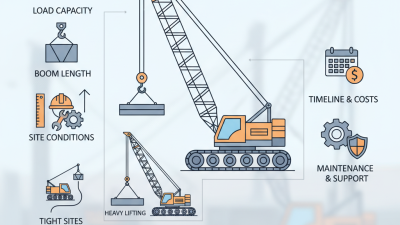
When calculating tower crane rental costs, several crucial factors come into play. First, the type and size of the crane significantly influence the rental price. Larger cranes with higher lifting capacities usually incur higher fees. Specific projects may demand specialized cranes, further impacting costs. The project's duration also affects pricing. Rentals might come with daily, weekly, or monthly rates. Longer projects often benefit from discounts, but this requires careful planning to avoid unexpected expenses.
Location is another key element. Cranes may require permits and additional logistical support, depending on where they are set up. Regions with stricter regulations often incur higher costs. Moreover, transportation fees can escalate quickly if the crane needs to be moved frequently. Understanding the timeline can prevent delays, which can lead to additional charges.
Lastly, the rental company's reputation and insurance requirements play a vital role. Companies with a strong track record may charge a premium, reflecting their reliability. Proper insurance coverage is critical to mitigate risks. Costs can escalate without such protection. Reflecting on these factors allows for more informed decisions while planning a tower crane rental, ensuring projects stay within budget.
Identifying the Rental Duration and Its Impact on Pricing
When renting a tower crane, the duration of rental plays a crucial role in determining overall costs. According to industry reports, project duration can significantly affect pricing structures. For short-term rentals, costs can soar due to premium rates often charged by suppliers. A survey by the National Association of Tower Cranes indicated that projects lasting less than three months might incur a 20% higher daily rate compared to longer commitments.
Additionally, the type of project can impact rental duration. For example, residential construction typically requires a crane for a shorter time than industrial projects, which may last six months or longer. Understanding these dynamics is essential. Statistics show that rental agreements extending beyond six months can lead to up to a 15% reduction in daily rates, providing potential savings.
Incorporating this knowledge into your budget can affect the project's success. If a crane is needed for an extended period, negotiating a long-term rental can lead to financial benefits. However, capturing the project's precise timeline can be tricky. Changes in project scope or delays can quickly lead to missed opportunities for cost savings. This uncertainty underlines the importance of effective project management and continuous assessment of the timeline.
Evaluating Location-Specific Costs for Crane Rental
When evaluating the costs of crane rental, location is a crucial factor. Each job site has different requirements and conditions. Urban areas may present challenges like traffic and limited space. In contrast, rural locations might have fewer constraints but could incur transportation costs. Understanding these dynamics can lead to better budgeting and project planning.
Construction sites close to major roads often have higher rental rates. This is due to increased demand and logistics complexity. Additionally, local regulations may influence costs. Some regions require permits or inspections, adding to the rental expense. It’s vital to research local ordinances before selecting a crane rental service.
Weather conditions also play a role in crane operation. Sites that experience harsh winters may require specialized equipment, increasing rental fees. Safety standards vary by region, which can impact overall costs. Each of these factors necessitates a detailed analysis to ensure that crane rental expenses align with project budgets. Reflecting on these aspects can lead to more strategic decision-making.
How to Calculate Tower Crane Rental Cost Effectively? - Evaluating Location-Specific Costs for Crane Rental
| Location |
Base Rental Cost (per month) |
Transportation Costs |
Setup/Breakdown Costs |
Insurance Costs |
Total Estimated Cost |
| New York City |
$12,000 |
$1,500 |
$2,000 |
$800 |
$16,300 |
| Los Angeles |
$10,000 |
$1,200 |
$1,500 |
$600 |
$13,500 |
| Chicago |
$9,000 |
$1,000 |
$1,200 |
$500 |
$12,700 |
| Houston |
$8,000 |
$800 |
$1,000 |
$400 |
$10,200 |
| Miami |
$7,500 |
$600 |
$900 |
$350 |
$9,350 |
Considering Additional Fees and Services in Your Estimate
When estimating tower crane rental costs, it's crucial to factor in additional fees and services. Many rental companies provide basic rentals that cover only the crane itself. However, this may not account for the full scope of your project needs. Logistics, installation, and dismantling services often come with extra charges. Sometimes, operators and technicians also require separate fees, which can significantly impact your budget.
Understanding these additional costs is vital. For example, transportation fees can vary based on distance and accessibility of your site. Similarly, equipment maintenance and insurance may add unexpected expenses. It's not uncommon to overlook these factors, leading to budget overruns. Communicating clearly with the rental provider about what's included in the quote can prevent surprises.
Additionally, consider any project-specific requirements. Some sites may demand specialized cranes or safety equipment, which could come at a premium. Evaluating these elements diligently helps in achieving a more accurate rental estimate. Ignoring these aspects might lead to frustration later on. Always ask detailed questions to ensure you have a complete picture of the costs involved.
Tower Crane Rental Cost Breakdown
Comparing Rental Options: New vs. Used Tower Cranes
When it comes to tower crane rentals, choosing between new and used options can profoundly impact costs. According to a report by the National Association of Equipment Rental Companies, the rental prices for new cranes can range from $15,000 to $40,000 annually, depending on the model and specifications. In contrast, used cranes often cost significantly less, with rentals averaging about $10,000 to $25,000 per year. This price discrepancy raises important considerations for contractors and project managers.
However, additional factors might complicate the decision. New cranes typically come with warranties and the latest technology, which often results in improved efficiency and safety. A 2021 survey from the Construction Industry Institute noted that using state-of-the-art equipment led to a 20% increase in productivity on average. On the other hand, used cranes might present hidden maintenance issues. A lack of reliable service history can lead to unexpected costs and project delays.
Choosing the right option is not merely about initial cost but long-term implications. An analysis from Rental Equipment Register highlighted that about 30% of construction delays stem from equipment-related issues. A detailed inspection of used cranes and thorough research on rental terms are essential steps. Each option presents unique benefits and challenges, warranting calculated decision-making.