How to Choose the Best Tele Handler in 2026?
Choosing the best tele handler in 2026 starts with the worksite, not the brochure. A machine that feels nimble on a flat yard may struggle on soft ground, tight access routes, or a sloped building pad. Reach, lift capacity, attachment compatibility, and visibility all matter. So does the operator’s view from the cab.
Industry data can help frame the decision, but it cannot select a model for a specific job. The U.S. Bureau of Labor Statistics’ 2023 Census of Fatal Occupational Injuries provides a broader picture of workplace risks; it does not compare tele handler models. The U.S. Census Bureau’s Value of Construction Put in Place data tracks construction activity, but it cannot predict the loads or terrain on your site. Use reports like these for context, then verify machine specifications against real tasks and manufacturer guidance.
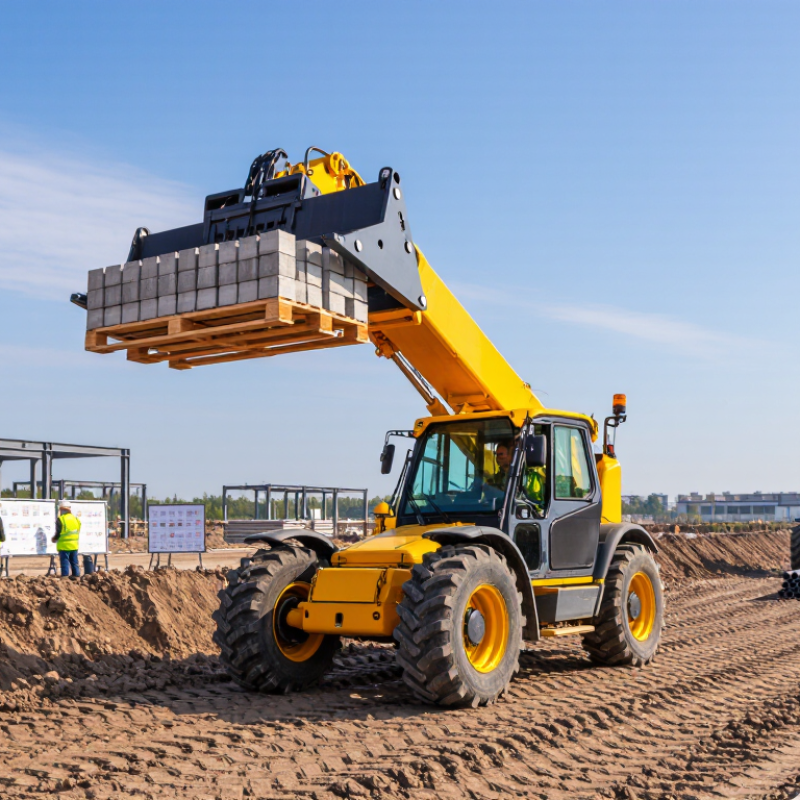
Start with a practical question: What will the machine lift, how high, and how often? A pallet of blocks at full reach is not the same job as moving pipe across uneven ground. Check the load chart for the exact configuration, including the attachment. Then compare turning radius, tire options, service access, and operator controls. Small details count. A few inches of clearance can decide whether a machine fits through a gate. No single shortlist is perfect. Revisit your assumptions before choosing.
Define the Telehandler’s Intended Tasks and Worksite Conditions
Before comparing telehandlers, write down what the machine must lift, how high, and how far forward. A pallet placed beside a truck needs different reach from roof materials delivered across a wall. Check the heaviest expected load, not just the usual one. Capacity can change with boom extension and attachment choice, so confirm the load chart for the exact setup. Small details matter.
Then walk the actual worksite. Measure doorway width, overhead clearance, turning space, and the distance between unloading points. Note slopes, soft soil, gravel, and floors that cannot tolerate heavy axle loads. A machine that fits on paper may still struggle after rain. Measure it twice. Think about the daily rhythm, too: frequent short lifts may call for different tires and controls than long moves across rough ground. Ask operators where visibility is blocked and where reversing becomes awkward. Those observations are easy to overlook in an office.
List the attachments required for real tasks, such as forks or a work platform, and verify their compatibility and rated capacity. Include storage, transport, and access for maintenance when planning the machine’s footprint. Be honest about uncertainty. If loads vary, record their dimensions and weights before choosing; guessing can lead to a poor fit. A site sketch with paths, obstacles, and lift points often reveals practical limits that a specification sheet cannot.
Match Load Capacity, Lift Height, and Reach to Job Requirements
How to Choose the Best Tele Handler in 2026?
Match Load Capacity, Lift Height, and Reach to Job Requirements
Choose a telehandler by the load it must place at its actual working reach, not by maximum capacity alone. A machine rated for 4,000 pounds may lift less when its boom is extended or raised. Check the load chart for the exact boom angle and extension, then include the weight of attachments and pallet. A few inches can matter.
Lift height and reach should match the site. Measure the landing point, such as a roof edge or upper floor, and account for ground slope, obstacles, and where the machine can safely stand. The U.S. Bureau of Labor Statistics reported 1,075 fatal work injuries in construction in 2023. That figure covers many hazards, not just lifting, but it underlines why careful equipment planning matters. OSHA’s 29 CFR 1926.602 also requires operators to follow rated-capacity limits and use posted load charts.
Tips: Write down the heaviest load, target height, and horizontal reach before comparing machines. Confirm the chart with the attachment fitted. Keep a margin for uncertainty; site measurements are not always perfect, and plans can change. Don’t choose by maximum reach alone.
How to Choose the Best Telehandler in 2026
Match rated load capacity, lift height, and forward reach to the demands of your job.
These approximate, representative class examples are for initial planning, not specifications for a particular machine. Verify the load chart for the exact model and attachment: available capacity usually decreases as boom reach and lift height increase. Choose a machine that can handle the load at the required placement point, with an appropriate safety margin.
Compare Powertrain, Attachments, Maneuverability, and Operator Controls
Choosing a telehandler in 2026 starts with the worksite, not the brochure. List typical lift heights, load weights, travel distances, and ground conditions. Then compare powertrain options against that pattern. Electric models may suit indoor jobs where noise and exhaust matter. Combustion models can be practical for longer shifts or remote sites. Check torque, fuel or charging access, and service intervals. More power is not always better if it adds cost without improving daily work.
Attachments change what a machine can do. Forks handle pallets, while buckets or lifting hooks suit different tasks. Confirm the attachment’s weight and capacity against the telehandler’s load chart; capacity can fall as the boom extends. One trade-off is easy to miss. A versatile attachment may save equipment changes, yet perform less well than a dedicated tool. Test the attachment you expect to use most, if a safe demonstration is available.
Maneuverability matters in tight yards and uneven ground. Compare turning radius, steering modes, tire options, and visibility from the cab. Measure narrow routes rather than relying on a quick glance. Operator controls deserve a real sit-down check. Are the display, joystick, and switches easy to reach with gloves on? Can the operator see the load while raising the boom? Small controls can become frustrating over a full shift. A choice that looks right on paper may still feel awkward in use.
Check Safety Features, Compliance, Service Access, and Dealer Support
How to Choose the Best Tele Handler in 2026?
Check Safety Features, Compliance, Service Access, and Dealer Support
Choosing a telehandler in 2026 means looking beyond lift capacity and reach. Safety features deserve a hands-on check. Test the seat belt, restraint system, visibility, and controls from the operator’s position. Ask whether load charts are readable from the cab and match each attachment. A reversing camera, clear mirrors, and working alarms can help, but they do not replace trained operation. Small details matter.
Compliance requirements vary by location and job site. Request current inspection records, operator documentation, and an explanation of applicable standards. Confirm the machine’s rated capacity for the planned load, boom height, and ground conditions. Do not rely on a familiar-looking chart. Have a qualified person verify the configuration and attachment compatibility before delivery. I would leave room for doubt here; site surfaces can change faster than paperwork.
Service access can shape how much downtime a machine creates. Look at daily inspection points, filter access, service intervals, and parts availability. Ask who responds when a hose leaks or a warning light appears mid-shift. Ask directly. Dealer support should include technician coverage, realistic response times, and access to loan equipment where available. Check maintenance records, too, and clarify what the warranty excludes.
Evaluate Total Ownership Costs and Test Suitable Models on Site
Compare telehandlers by total cost per productive hour, not purchase price alone. Include financing, fuel, scheduled service, tires, insurance, transport, and expected resale value. Use local fuel prices and realistic annual hours; a machine working two short shifts daily may cost more per lift than its specifications suggest. The American Rental Association’s 2024 forecast put U.S. equipment and event rental revenue at $78.2 billion, up 7.1% from 2023. This broad market figure is not telehandler-specific, but it makes rental a useful cost benchmark when demand is seasonal or uncertain. Spreadsheets mislead.
Then test shortlisted models at the actual worksite, with the intended attachment and a representative load. Check reach and rated capacity against the load chart, especially at full boom extension. Drive over the site’s uneven ground, turn in tight aisles, and observe visibility from the cab. Record cycle times, fuel use, and operator feedback across repeated tasks; one quick demonstration can hide awkward controls or poor sightlines. Test cold starts and attachment changes, too. A clean test area feels reassuring, but it may not reflect muddy access or congested unloading zones. Compare measured results with the ownership-cost estimate, then revise assumptions before choosing.