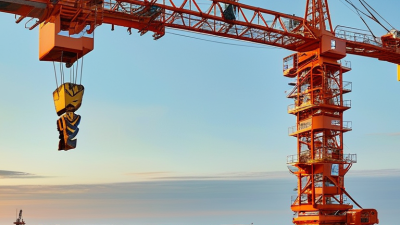
How to Choose a Self Erecting Tower Crane in 2026?
Choosing a self erecting tower crane in 2026 requires more than comparing lifting capacity and rental prices. Construction demand remains significant. Global Construction Perspectives and Oxford Economics projected global construction output could reach $15.5 trillion by 2030. However, the market is uneven across regions.
The right crane must match the real worksite. Check the maximum load, working radius, hook height, ground conditions, and expected wind exposure. A 6-ton crane may handle concrete panels easily, yet struggle with a long-radius lift near the site boundary. Measure the footprint carefully. Small urban sites often leave less than one metre around the crane base.
Deloitte’s 2025 Engineering and Construction Industry Outlook highlights labor shortages, financing pressure, and continued productivity challenges. These factors make fast installation and simple operation increasingly valuable. RICS Global Construction Monitor also reported cautious construction confidence and persistent cost concerns in recent market assessments. Therefore, purchase price should not dominate the decision.
Look at transport requirements, power supply, erection time, remote diagnostics, operator visibility, and local service support. Ask for verified load charts, inspection records, maintenance history, and wind-speed limits. Manufacturer claims deserve practical checking.
Safety comes first.
A self erecting tower crane can reduce setup time, but it does not remove planning duties. Site engineers should verify foundation design, lifting zones, emergency procedures, and applicable standards before delivery. This guide may not fit every project. Soil data, weather, and local rules can change the final choice. A careful comparison often reveals that the cheapest crane is not the lowest-cost option.
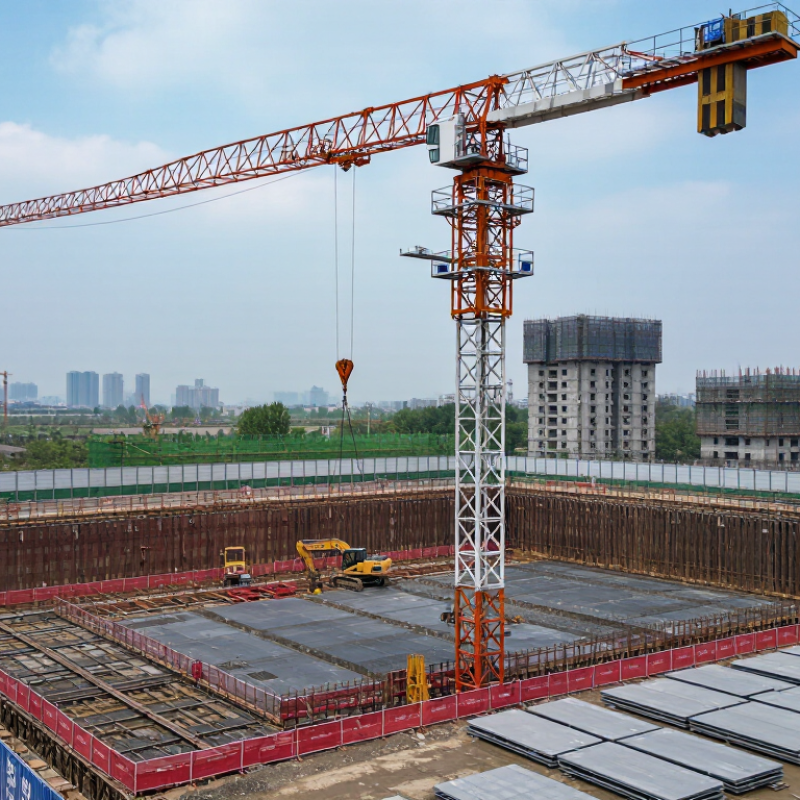
Define Project Requirements for a Self-Erecting Tower Crane
How to Choose a Self-Erecting Tower Crane in 2026?
Define Project Requirements for a Self-Erecting Tower Crane
Start with the work, not the crane. Record the heaviest load, lifting radius, hook height, daily lifting cycles, and project duration. A 1.5-ton panel at 35 meters needs a different load chart than a 3-ton pallet near the mast. Check every load, including slings and temporary attachments. The crane must also fit the site. Measure road width, gate height, ground bearing capacity, overhead cables, and nearby structures. The International Labour Organization estimated 2.93 million work-related deaths worldwide in 2019. That figure reinforces one point: planning details are never minor.
Wind exposure needs careful attention. Request local wind data, then compare it with the crane manufacturer’s operating and out-of-service limits. Define foundation type, power supply, erection space, and dismantling access before selecting capacity. Project schedules also matter. Oxford Economics’ Global Construction Futures research identifies strong long-term construction growth, but higher activity can create tighter equipment availability. A crane that meets today’s lift may still fail tomorrow’s schedule. That is an uncomfortable possibility.
Tips: Build a simple lift register. Include weight, radius, height, frequency, and wind limits. Ask a qualified lifting engineer to verify it. Leave practical clearance around the working zone. Small sites often underestimate delivery and setup space. I would also challenge the first plan twice. Spreadsheets can look precise, yet ground conditions, weather, and late design changes remain uncertain. Never treat an assumed load as a measured load.
Evaluate Transport, Assembly, and Foundation Requirements
How to Choose a Self Erecting Tower Crane in 2026?
Evaluate Transport, Assembly, and Foundation Requirements
Transport planning often determines whether a self erecting tower crane suits your site. Measure road width, bridge limits, turning space, and overhead cables before selecting a model. A compact crane may still require several trailer movements. Check axle weights and delivery access with a logistics specialist. I have seen schedules fail because one narrow gate was measured incorrectly.
Assembly conditions deserve equal attention. Confirm the crane’s folded dimensions, erection radius, and required assistance equipment. Some projects need a mobile crane for initial positioning or difficult mast sections. Review the erection manual with a qualified supervisor, not only the sales specification. Allow space for outriggers, counterweights, and safe exclusion zones. Small omissions become expensive delays.
Foundation design must follow actual ground conditions and crane reactions. Obtain a current soil assessment before choosing the base system. The engineer should verify bearing capacity, settlement risk, anchor details, concrete strength, and drainage. A perfectly level foundation matters more than many buyers expect. It affects tower alignment and load control. My early foundation estimate was too optimistic. That mistake taught me to budget for reinforcement, testing, and curing time. Inspect the base after severe weather and record every check. Reliable selection depends on site evidence, not a brochure alone.
Check Safety Systems, Standards, and Operator Controls
How to Choose a Self Erecting Tower Crane in 2026?
Safety systems should guide your crane choice, not lifting capacity alone.
The U.S. Bureau of Labor Statistics recorded 1,069 construction deaths in 2022, showing why risk controls deserve close attention. Choose a crane with overload protection, reliable limit switches, emergency stops, and a visible wind-speed display. ISO 12480-1 recommends planned lifting operations, competent supervision, and regular inspections. Local rules may also require standards such as EN 14439 or equivalent national requirements.
Operator controls matter every day.
Test whether the cabin or remote panel gives clear feedback during slewing, trolley travel, and hoisting. Controls should prevent accidental activation and show alarms immediately. A load-moment indicator should display changing capacity, especially when the hook moves outward. Check anti-collision functions if several cranes share a site. Poor visibility remains a practical weakness. A camera can help, but it cannot replace trained signaling.
Tips:
Ask for inspection records, control-system test results, and the maintenance schedule. Stand beside the control panel before buying. Is the emergency stop easy to reach? Are symbols readable in rain or low light? The Health and Safety Executive reports that workplace transport and lifting activities require effective planning and competent operation. Do not accept vague answers. A supplier’s certificate is useful, but site conditions still change the risk. I would also test the crane with a realistic load pattern, not only an ideal demonstration. That extra check may reveal awkward alarms, delayed brakes, or controls operators dislike using.
Assess Total Cost, Supplier Support, and Long-Term Value
How to Choose a Self Erecting Tower Crane in 2026?
The purchase price rarely reflects a crane’s real cost. Assess transport, installation, foundation preparation, electrical work, inspections, and operator training. A cheaper model may require special lifting equipment or costly site modifications. Request a complete five-year cost estimate, not only a quotation. Include energy use, scheduled servicing, spare parts, insurance, and possible downtime. Small expenses become significant on long projects.
Supplier support deserves the same attention as lifting capacity. Ask how quickly technicians respond to faults and whether replacement parts are stocked locally. Check the service agreement carefully. It should define inspection intervals, emergency support, software updates, and training responsibilities. Speak with contractors who have operated similar cranes. Their maintenance records can reveal problems that sales documents do not.
Look closely at the crane’s daily work. Can one trained operator set it up efficiently? Does the control system provide clear load information? Are common wear parts easy to access at ground level? These details affect productivity and safety. Long-term value also depends on resale demand, corrosion protection, upgrade options, and documented service history. A crane that performs reliably for ten years may cost less than a cheaper unit with repeated delays. Still, forecasts are imperfect. Site conditions change, and maintenance budgets are often underestimated. Keep a realistic contingency allowance.
How to Choose a Self-Erecting Tower Crane in 2026?
Compare estimated five-year ownership cost before selecting a self-erecting tower crane. The model includes acquisition, transport and setup, planned maintenance, operator training, and the estimated resale value.
Planning benchmark in USD for a single-site project. Values are representative market allowances rather than supplier quotations. Actual cost depends on lifting capacity, jib length, foundation requirements, local labor, transport distance, inspection rules, utilization, and service coverage. Supplier support should be evaluated together with spare-parts availability, response time, commissioning, operator training, inspection support, and resale liquidity.