What is a Portable Tower Crane and How Does It Work?
A portable tower crane is a versatile construction tool. It is designed for mobility and efficiency. In many projects, this type of crane excels where space is limited.
These cranes are ideal for urban environments. Their ability to lift heavy materials makes them invaluable. Moreover, they can be easily relocated. This feature enhances their usability on various sites. Construction workers often find them easy to set up and operate.
Understanding how a portable tower crane works is essential. It involves various components working together seamlessly. However, factors like weight limits and height restrictions can complicate operations. Users must be aware of safety protocols and load capacities. This awareness ensures reliability and effectiveness in projects.
Definition and Purpose of Portable Tower Cranes
Portable tower cranes are essential in the construction industry, providing unique advantages in versatility and mobility. These cranes are designed to be easily transported and set up on various job sites. Their height and reach allow them to work in tight urban environments, which is often vital in modern construction projects. According to industry reports, portable tower cranes can reduce labor costs by up to 30% due to their efficiency and ease of use.
The primary purpose of portable tower cranes is to lift heavy materials and equipment to significant heights. They achieve this through a vertical tower structure that offers stability. Often reaching heights of up to 50 meters, they can carry loads exceeding 10 tons. Their benefit lies not just in lifting capabilities but also in reduced ground space requirements and the ability to navigate narrow city streets.
However, the reliance on these cranes also brings challenges. There are limitations on load capacity based on design and environmental conditions. Safety protocols require thorough inspections before operation. Additionally, training operators is essential to maximizing efficiency and ensuring workplace safety. While portable tower cranes are revolutionary, careful consideration is needed to address these operational challenges effectively.
Key Components of a Portable Tower Crane
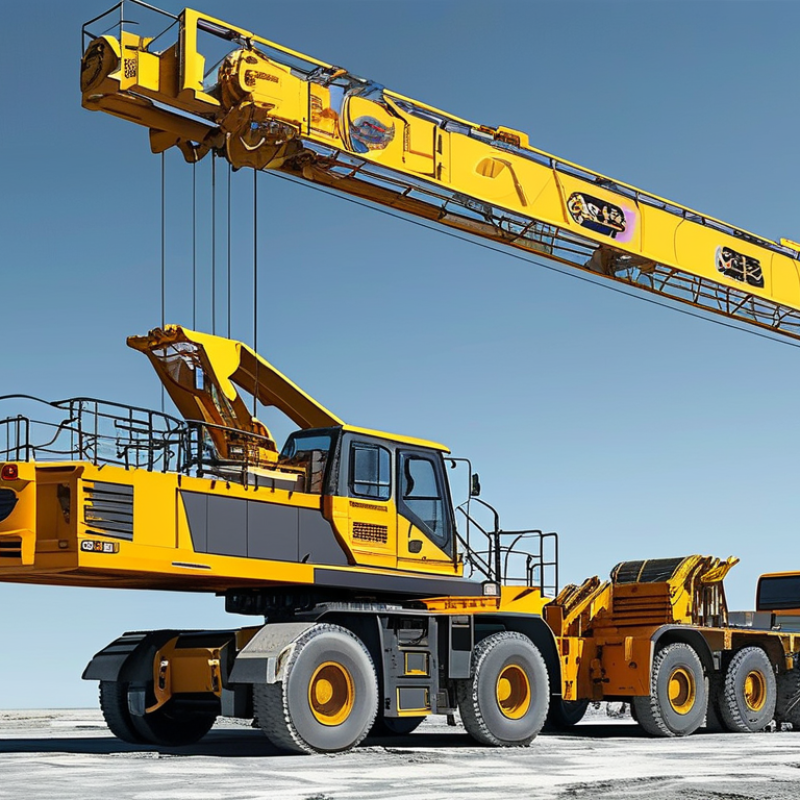
Portable tower cranes are essential tools for modern construction projects. Their design allows for easy transportation and setup on various job sites. The key components of these cranes include the tower, the slewing unit, and the jib. Each part plays a critical role in the crane's functionality.
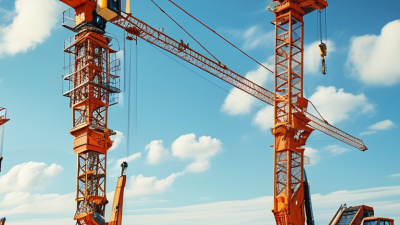
The tower forms the backbone of the structure. It provides stability and height, allowing for significant lifting capabilities. Reports indicate that portable tower cranes can lift loads exceeding 10 tons at heights of up to 40 meters. The slewing unit enables the crane to rotate, giving it a wide range of motion to position the load accurately. This rotation is essential for maneuvering materials in tight spaces.
The jib extends from the tower and is responsible for reaching out to move loads. It's usually equipped with hoists that can raise or lower materials. Studies show cranes with a longer jib can increase efficiency but need careful balancing. Operators must consider the crane's limits. Each component must work together seamlessly to ensure safety and effectiveness. Overall, understanding these key components enhances operational planning and boosts construction productivity.
Mechanism of Operation for Portable Tower Cranes
Portable tower cranes are essential in construction for their flexibility and capacity. Understanding their mechanism of operation reveals how they efficiently lift and move materials. These cranes operate on a simple yet effective principle. A vertical tower structure provides stability, while a horizontal arm or jib extends outwards. The jib can swivel, allowing the crane to reach various working areas without needing to reposition.
The lifting mechanism features a powerful motor that drives a winch and pulley system. This allows heavy loads to be raised and lowered smoothly. Operators control the crane from a cab, using levers for precise movements. It requires skill and awareness to avoid accidents. Factors like wind speed can affect stability, reminding operators to remain vigilant.
Setup involves anchoring the crane securely. The height can be adjusted according to project requirements, leading to varying levels of complexity during installation. Although portable, these cranes demand attention to safety protocols. As operational challenges arise, it becomes clear how critical expertise is in handling such machinery. In conclusion, while portable tower cranes simplify many tasks, continuous learning and adaptation are essential for maximizing their efficiency.
Advantages of Using Portable Tower Cranes
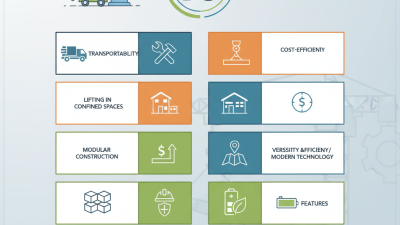
Portable tower cranes offer significant advantages on construction sites. Their design allows for easy transportation and quick setup. This flexibility is ideal for projects in urban areas with limited space. Crews can deploy these cranes to various locations without extensive logistics, improving overall efficiency.
An additional benefit is their height and lifting capacity. Portable tower cranes can navigate tight spots while lifting heavy materials. This capability minimizes manual handling, which reduces workplace injuries. Operating such cranes requires skilled workers, adding value through expertise. The compact design allows better access to smaller job sites. However, careful planning and precise operation are crucial to maximize safety and effectiveness.
Though portable tower cranes excel in many ways, they do have limitations. Their load capacity might not match that of larger cranes. This condition requires project managers to assess needs thoroughly. Additionally, the crane setup might take longer than expected, which can affect timelines. Balancing these factors is essential for a successful project outcome.
Applications in Construction and Industrial Settings
Portable tower cranes are increasingly popular in construction and industrial settings. They are versatile and efficient, making them ideal for various tasks. Sites that require lifting heavy materials or equipment benefit greatly from these cranes. They enable workers to reach high places safely and quickly.
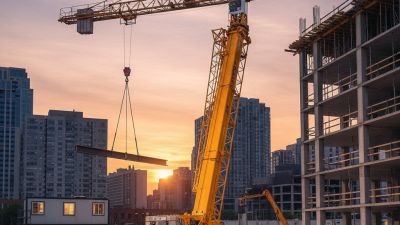
In construction, portable tower cranes excel at tasks like assembling building frames or installing steel beams. They easily transport materials across the site, enhancing workflow. Their modular design allows them to fit into tight spaces where traditional cranes might struggle. This flexibility can lead to cost savings and improved project timelines.
Industrial applications include shipping and manufacturing. Factories often use these cranes to move heavy machinery or components. Their ability to rotate and lift at height provides significant advantages. However, the setup and operation require skilled personnel. Proper training is essential to ensure safety and effectiveness on the job. Without adequate expertise, the risk of accidents increases, leading to potential hazards.