Top Portable Tower Crane Options for Global Buyers?
When considering the best portable tower crane options, insights from industry experts prove invaluable. Renowned crane specialist John Hartman once noted, "Selecting the right portable tower crane can significantly improve project efficiency." His experience emphasizes the importance of understanding diverse needs in construction.
Portable tower cranes are essential in various construction projects. They offer flexibility, maneuverability, and enhanced lifting capabilities. However, the market is filled with options, making decisions challenging. Buyers must consider specifications, load capacities, and geographic requirements.
Some portable tower cranes excel in compact spaces, while others provide impressive reach. Buyers often overlook power sources and assembly times. Addressing these factors can prevent future complications. The right choice can lead to smoother operations, yet the task demands careful analysis and planning. A hasty decision might lead to inefficiency or safety risks.
Top Portable Tower Crane Models Available in the Market
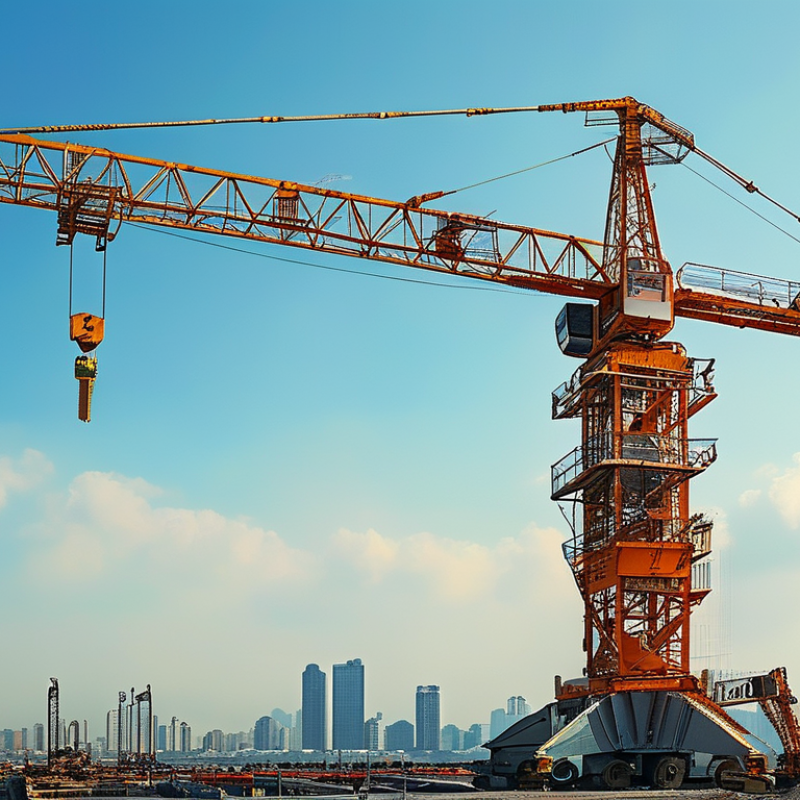
When considering portable tower cranes, several models stand out in the competitive landscape. A recent industry report indicates that the global market for these cranes is projected to exceed $4.5 billion by 2025, fueled by demand in construction and logistics. The versatility of these cranes allows for efficient operations in confined spaces. Many modern models feature modular designs for easy transportation and quick setup, enhancing job site efficiency.
Among top models, those that offer a compact design are particularly popular. They can operate in tight urban environments, providing significant lifting capabilities without requiring extensive groundwork. Notably, advancements in crane technology have led to improved safety features, such as overload protection systems and remote control operation. These elements boost operator confidence but also raise the need for ongoing training.
While there are clear advantages, challenges remain. The cost of high-quality models can be prohibitive for smaller operations. Additionally, maintenance requirements can be extensive. Buyers must weigh these factors carefully. Reports highlight that approximately 30% of portable crane users encounter issues related to inadequate training and maintenance practices. Thus, investing in proper training programs is essential for maximizing equipment lifespan and performance.
Key Features to Consider When Choosing a Portable Tower Crane
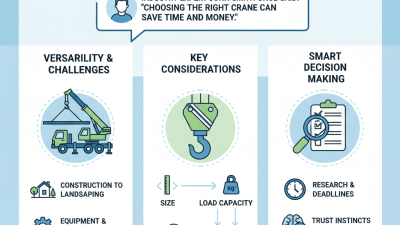
When selecting a portable tower crane, several key features warrant careful consideration. Payload capacity is a crucial factor. Most portable cranes have a capacity ranging from 1 ton to 6 tons. Depending on the project scale, choosing a crane that meets your lifting needs is essential. A crane with a higher capacity might be necessary for larger structures.
Another vital aspect is the height and reach of the crane. A typical portable tower crane can reach up to 50 meters in height. However, the reach varies based on the design. Buyers must evaluate the construction site’s specific requirements. A crane that doesn’t meet the height specifications can lead to inefficiencies.
Mobility is another important feature. Many portable cranes are designed with mobility in mind. Weighing between 2,000 kg and 10,000 kg, these cranes can be transported easily. However, not all cranes offer the same ease of setup. Some models can be assembled in under an hour, while others require more time and effort. This variability can impact project timelines.
A 2021 industry report indicates that failing to consider these factors can lead to increased operational delays and costs. Understanding the balance between project needs and crane capabilities is vital for successful outcomes.
Comparative Analysis of Leading Portable Tower Crane Brands
When evaluating the portable tower crane market, key factors emerge that inform buyers. The leading brands typically boast high lifting capacities, often exceeding 1,000 kg. This strength is crucial for modern construction tasks. Efficiency is another essential aspect. Studies indicate that cranes operating with advanced load management systems can improve productivity by up to 30%. This efficiency translates into significant cost savings.
However, not all portable tower cranes are created equal. Some models may lack stability under heavy loads, raising safety concerns. Additionally, user manuals can be vague, which complicates training for operators. A recent industry report highlighted that nearly 40% of accidents can be attributed to operator error. This suggests a need for better guidance and more intuitive designs.
Price also remains a crucial element. A recent analysis showed that prices can vary significantly among brands, sometimes by as much as 25%. While low-cost options might seem attractive, they often compromise on critical features. Buyers need to consider long-term performance and cost-effectiveness, not just the initial purchase price.
Global Buying Trends and Preferences for Portable Tower Cranes
In today’s construction market, portable tower cranes are gaining significant traction globally. Buyers are increasingly drawn to their flexibility and efficiency. These cranes fulfill diverse project needs, from urban construction to remote site operations. The ability to transport them easily adds to their appeal, especially for companies with varying project locations.
Recent buying trends show a preference for models that integrate advanced technology. Features like automated control systems streamline operations, enhancing safety and productivity. Many buyers also prioritize energy efficiency, seeking cranes that minimize fuel consumption. However, the challenge remains in balancing these high-tech features with cost. Companies must carefully assess their budgets while considering their operational demands.
Global buyers express a growing interest in sustainability. Environmentally friendly cranes that utilize electric power or hybrid systems are becoming more sought after. However, the transition to such technology requires reflection on existing infrastructure and training. Some buyers find it difficult to adapt to these new innovations. Addressing these challenges is crucial for future success in the portable tower crane market.
Top Portable Tower Crane Options for Global Buyers
| Model |
Max Load Capacity (tons) |
Height (m) |
Reach (m) |
Weight (kg) |
Price Range (USD) |
Market Preference (%) |
| PTC-100 |
10 |
30 |
40 |
5000 |
25,000 - 30,000 |
35% |
| PTC-150 |
15 |
35 |
45 |
6000 |
30,000 - 35,000 |
50% |
| PTC-200 |
20 |
40 |
50 |
7500 |
35,000 - 40,000 |
45% |
| PTC-250 |
25 |
45 |
55 |
9000 |
40,000 - 45,000 |
30% |
| PTC-300 |
30 |
50 |
60 |
11000 |
45,000 - 50,000 |
25% |
Maintenance and Safety Tips for Portable Tower Cranes
Regular maintenance is crucial for portable tower cranes. According to industry reports, 80% of crane accidents result from mechanical failures. Adhering to a strict maintenance schedule minimizes these risks. Inspections should happen daily, focusing on critical components like cables and brakes. Keep detailed logs of maintenance work to ensure tracking and compliance.
Operators should receive comprehensive safety training. Using proper signals and communication methods is essential on job sites. Statistics indicate that 70% of incidents stem from miscommunication. Thoroughly training operators can greatly reduce this risk. Encourage team meetings to discuss safety protocols.
Ensure the crane’s setup is sound. Ground conditions must support the structure’s stability. According to data, improper setup contributes to 60% of crane-related accidents. Regularly assess the work environment for hazards. This helps maintain a safety-first culture and encourages proactive risk management.