What Is Crane Rigging and How Does It Work?
Crane rigging connects a crane’s hook to a load through slings, shackles, hooks, and other lifting equipment. The goal is not merely to raise the load. Rigging must support its weight, control its balance, and help prevent shifting or swinging during the lift. Small details matter. A sling angle, an uneven load, or a damaged fitting can change how forces act on the equipment.
The risks are real. The U.S. Bureau of Labor Statistics reported 1,075 fatal work injuries in the construction industry in 2023, in its Census of Fatal Occupational Injuries. This figure covers construction fatalities, not crane incidents alone. That distinction matters: a broad industry statistic cannot predict the risk of one particular lift. OSHA’s construction crane requirements and relevant ASME standards offer important technical references, but safe work still depends on competent planning, suitable equipment, inspections, and clear communication.
How does crane rigging work in practice? A qualified team identifies the load’s weight and lifting points, selects rigging gear with adequate capacity, and checks the crane’s setup and load path. Before lifting, the crew confirms connections and agrees on signals. The operator then raises the load carefully, while the team watches for unexpected movement or changing conditions. No plan is perfect. Wind, tight clearances, or an uncertain load weight may require a pause and reassessment. This guide explains the equipment, calculations, checks, and coordination behind a controlled lift.
What Crane Rigging Includes: Slings, Shackles, Hooks, and Connectors
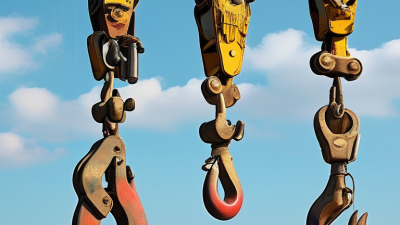
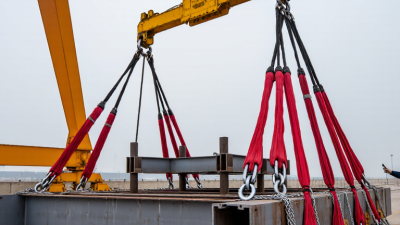
Crane rigging is the connection between a crane’s hook and the load. Slings wrap or support the load; shackles join sling eyes or connect lifting points. Hooks engage the assembly, while connectors link compatible components. Each part has a working load limit (WLL). The full assembly is only as strong as its lowest-rated component.
Sling choice depends on the load’s weight, shape, surface, and lifting points. A sharp steel edge can cut a synthetic sling, while a low sling angle increases tension in each leg. The U.S. Bureau of Labor Statistics recorded 5,283 fatal work injuries in 2023 across all industries, according to its Census of Fatal Occupational Injuries; this figure is not crane-specific. It underscores why careful planning and inspections matter. A shackle pin that looks secure may still be mismatched or side-loaded.
Tips: Check every connection. Confirm the sling, shackle, hook, and connector ratings before lifting. Inspect for cuts, cracks, distortion, and unreadable tags. Keep the hook centered over the load, and pause if it tilts or shifts. Small details matter. A rushed visual check can miss a damaged link.
How Load Weight and Center of Gravity Shape Rigging Selection
Crane rigging connects a load to the crane through slings, shackles, and other lifting hardware. The load’s weight sets the minimum capacity these components must safely support. Use reliable records or verified measurements; visual estimates can be misleading. Include the weight of packaging, attachments, and rigging below the hook. A heavy-looking object may be hollow, while a compact machine may conceal dense parts.
The center of gravity determines how the load hangs. If it sits off-center, the load can tilt as soon as the slings take tension. Pick points should help keep the hook above the center of gravity, where practical. Sling angles matter, too: as legs spread wider, tension in each leg increases. That changes the required capacity. Small details matter. A shift of only a few inches can alter balance.
Before lifting, a qualified rigger should check the load information, attachment points, sling condition, and planned configuration. Compare each component’s rated capacity with the actual forces, accounting for sling angles and uneven load sharing. A brief, controlled test lift can reveal unexpected tilt, but it does not replace calculations or a lift plan. Field conditions are rarely perfect; if the load moves unpredictably, lower it and reassess rather than improvising.
What Is Crane Rigging and How Does It Work?
How Load Weight and Center of Gravity Shape Rigging Selection
For a centered 1,000 kg load on a symmetrical two-leg sling, each leg’s tension increases as the sling angle gets shallower. The values shown use the idealized formula tension per leg = load weight ÷ (2 × sin of the sling angle), with the angle measured from horizontal. An off-center center of gravity can distribute the load unevenly between the legs, so actual rigging must be selected and verified for the load, sling geometry, and applicable working-load limits.
How Sling Angles Affect Rated Capacity During a Lift
Sling angle changes the force carried by each leg of a bridle. Measure the angle from horizontal, not vertical. For a balanced, two-leg lift, each leg’s tension is load weight divided by twice the sine of that angle. The U.S. Army’s FM 5-125, Rigging Techniques, Procedures, and Applications, uses this relationship in rigging calculations.
Consider a 2,000-pound load shared evenly by two legs. At 60 degrees, each leg carries about 1,155 pounds. At 30 degrees, each carries 2,000 pounds. That matters. The load has not changed, but each leg’s demand has risen sharply. A shallow sling can exceed its rated capacity even when the hook and crane appear comfortably sized.
Before lifting, check the sling’s identification tag and the manufacturer’s rated-capacity information for the hitch and angle. OSHA’s 29 CFR 1910.184 also requires slings to remain within their rated loads. Inspect the hardware, confirm the load’s center of gravity, and account for unequal sharing if the load shifts. A tape measure can help verify sling geometry, but it cannot prove the load is balanced. That uncertainty deserves attention. Have a qualified person review the lift plan when the angle, load, or sharing is unclear.
OSHA 1926.251: Inspect Rigging Equipment Before Each Shift
Crane rigging connects the load to the hook through slings, shackles, and other lifting gear. Each component must suit the load’s weight, shape, and lifting angle. Before every shift, OSHA 29 CFR 1926.251(a)(1) requires rigging equipment to be inspected before use, and again during use when needed. Defective equipment must be removed from service. Small flaws matter. A frayed sling, bent hook, or unreadable capacity tag can change a lift’s safety margin.
A practical inspection means checking the full sling length, not just the section near the hook. Look for cuts, broken wires, crushed spots, heat damage, and damaged stitching. Check hooks and shackles for cracks, distortion, and secure closures. Confirm identification tags remain legible and rated capacity fits the planned configuration.
The U.S. Bureau of Labor Statistics recorded 1,069 fatal work injuries in construction in 2022; that figure covers the sector, not rigging incidents alone. It is a sobering reminder to treat routine checks seriously.
A clean-looking sling can still hide damage. Record defects, quarantine suspect gear, and tell the lift team what was removed. The pause may feel repetitive, but a rushed glance is easy to regret.
How a Crane Lift Works: Attach, Test, Hoist, and Land the Load
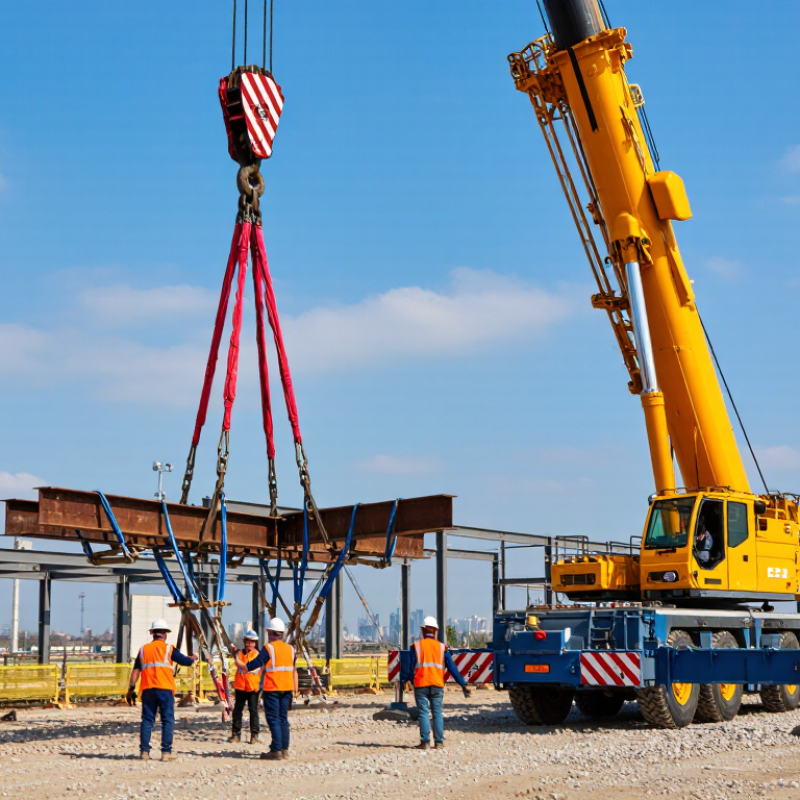
A crane lift begins with a clear plan: identify the load’s weight, lifting points, and center of gravity. The crew selects slings and hardware rated for the job, then inspects them for cuts, bends, wear, or damaged latches. Rigging connects the load to the crane hook, with each sling seated correctly and protected from sharp edges.
Small details matter. A sling that looks secure may still slip if its angle or position is wrong.
Before the full hoist, the operator raises the load just a few inches. The crew pauses to check balance, connections, and unexpected movement. If the load tilts, they lower it and adjust the rigging rather than trying to correct it in the air.
Once the test is stable, a designated signal person guides the hoist, while the crew keeps clear of the suspended load. Slow movement helps control swing. At the landing area, workers guide the load onto prepared supports and confirm it is stable before slackening the rigging.
Even a smooth lift deserves review; a missed signal or awkward landing can reveal what the plan failed to account for.