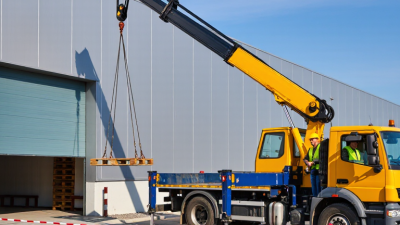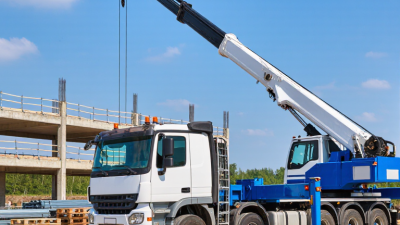
Choosing a small crane truck is not just a matter of comparing prices or picking the model with the longest boom. Buyers worldwide work in different conditions, from narrow city streets to uneven construction sites and busy warehouses. The right truck should fit the work, the route, and the available service support. Details matter. A compact chassis may be easier to park, while a higher lifting capacity can add weight and affect access. Check the rated load at different boom reaches, not only the headline figure. A neat specification sheet can still hide practical limits.
This guide introduces small crane truck models sold across international markets and explains what to compare before contacting a supplier. It considers lifting capacity, boom configuration, vehicle dimensions, controls, maintenance access, and parts availability. These factors help contractors, rental companies, and fleet managers narrow their choices. Yet there is no single best model for every job. A truck suited to indoor equipment delivery may not perform as well on rough ground. Local vehicle requirements and operating conditions also vary, so buyers should confirm relevant specifications with manufacturers or authorized dealers. That step can take time. It is easy to overlook service access when a machine looks right on paper. The models discussed here offer a starting point, not a substitute for checking the actual site, load, and support plan.
Top Small Crane Truck Models for Sale Worldwide
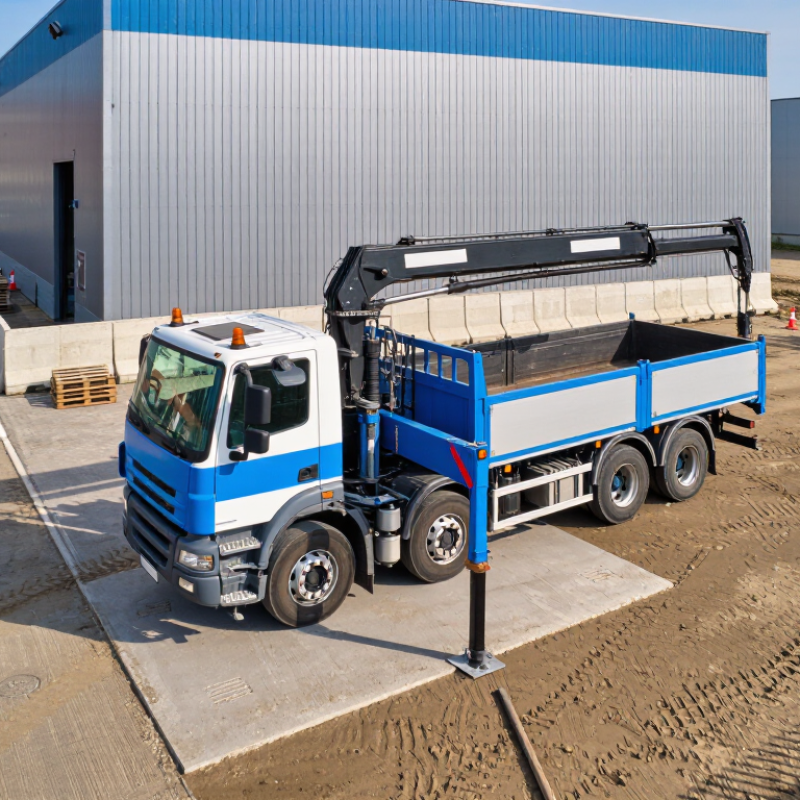
A small crane truck pairs a compact vehicle chassis with a lifting boom, making it useful where larger trucks struggle to fit. “Small” has no universal size cutoff; buyers should compare lifting capacity, reach, vehicle dimensions, and permitted payload. The crane’s main parts include a boom, hydraulic system, controls, and stabilizing outriggers. These parts work together, but the truck’s load chart sets the real limits.
During a lift, hydraulic pressure extends or raises the boom. The operator positions the truck, deploys the outriggers, and checks the load chart for the intended reach and weight. As the boom extends farther, its safe lifting capacity usually decreases. That detail is easy to miss. A pallet may look manageable, yet its weight and distance from the truck can change the lift significantly. Ground slope and soft soil can also affect stability.
Tips: Check the load chart, available setup space, and ground conditions before lifting. Keep the truck level. Confirm that the planned load includes any lifting attachments. If the setup feels uncertain, pause and reassess; compact equipment still needs careful operation.
When comparing small crane trucks, start with rated lifting capacity, but read the load chart at the working radius. A truck may lift three tonnes close to its mast and far less several metres away. That difference matters beside a building, where the truck cannot park directly under the load. Check boom reach, lifting moment, and whether the chart reflects the intended outrigger setup. Numbers need context.
Payload is equally practical. The crane, subframe, tools, and crew all use available payload. A high crane rating does not guarantee a heavy truck-bed load. Compare gross vehicle weight, axle limits, and bed dimensions against your normal cargo. Measure overall height and turning radius too; low entrances and narrow streets quickly expose a poor fit. Outrigger spread is easy to overlook. A wider stance can improve stability, yet may block a lane or loading bay.
Hydraulic flow and pressure influence lifting speed and smoothness, especially during repeated cycles. Ask for the rated chart, inspection records, and clear details on overload protection and emergency controls. Confirm service access, parts availability, and tire suitability for actual work surfaces, not just a showroom floor. A small truck can feel capable on paper and still disappoint on uneven ground. That is worth checking.
Notable Small Crane Truck Models Available Worldwide
Small crane trucks are generally chosen by chassis payload, boom reach, and the space available at delivery sites. Common configurations include light 3.5-tonne-class trucks with compact knuckle-boom cranes, mid-size 7.5-tonne-class trucks with telescopic booms, and heavier compact flatbeds carrying cranes rated around 3–5 tonnes. These are broad market categories, not universal specifications; body weight and stabilizer layout can reduce usable payload. Clearance matters. A short wheelbase helps in narrow streets, while a knuckle boom folds neatly behind the cab for frequent stop-and-go work.
The World Bank’s urban development overview reports that about 56% of the world’s population lives in cities, with nearly 70% projected to do so by 2050. That trend helps explain demand for compact lifting equipment in dense delivery zones, though it does not prove one crane layout suits every market. For palletized materials, a 7.5-tonne truck with a medium-reach telescopic crane can balance lifting capacity and maneuverability. For roofing supplies or utility components, a light knuckle-boom model may reach over fences and parked vehicles. Check the load chart at the actual working radius, not just the headline lifting rating. Stabilizers need firm ground, and small trucks can still feel under-specified when the load sits far from the chassis.
The configurations below represent common small truck-mounted crane classes sold in multiple markets. Figures are indicative ranges, not specifications for a particular manufacturer or vehicle.
| Configuration | Typical Maximum Rated Capacity | Typical Boom Reach | Typical Truck Class | Common Applications | Key Selection Consideration |
|---|---|---|---|---|---|
| Compact 1–2 t loader crane | About 1–2 tonnes at the crane’s shortest working radius | Approximately 4–8 m, depending on boom sections | Light commercial chassis; gross vehicle weight often around 3.5–7.5 t | Small deliveries, landscaping materials, equipment handling and light construction | Check the capacity chart at the required reach; maximum capacity falls as outreach increases. |
| Light-duty 3 t crane truck | About 2–3 tonnes at a short radius | Approximately 6–10 m | Light-to-medium commercial chassis; commonly around 5–10 t gross vehicle weight | Building supplies, maintenance work and compact-site deliveries | Confirm chassis payload after the crane, stabilizers and body are installed. |
| Compact 5 t crane truck | About 4–5 tonnes at a short radius | Approximately 7–12 m | Medium-duty chassis; commonly around 7.5–14 t gross vehicle weight | General construction, utility work and palletized material handling | Outrigger span and ground conditions affect safe lifting capacity and setup space. |
| Light-medium 8 t crane truck | About 6–8 tonnes at a short radius | Approximately 8–15 m | Medium-duty chassis; commonly around 10–18 t gross vehicle weight | Construction deliveries, workshop equipment moves and infrastructure maintenance | Compare load charts, stabilizer requirements and legal axle loads for the intended route. |
| Medium 10 t crane truck | About 8–10 tonnes at a short radius | Approximately 9–17 m | Medium-duty chassis; commonly around 12–22 t gross vehicle weight | Heavier building materials, industrial maintenance and site logistics | Longer-reach lifts may require additional boom sections or a larger chassis. |
| High-capacity compact 12–15 t crane truck | About 10–15 tonnes at a short radius | Approximately 10–20 m | Medium-to-heavy commercial chassis; commonly around 16–26 t gross vehicle weight | Heavy construction components, machinery placement and utility projects | Check overall vehicle dimensions, axle loading and site access before choosing this class. |
Capacity and reach vary with boom design, number of extensions, mounting position, stabilizer setup and operating conditions. Always use the specific crane’s load chart and verify local vehicle, road-use and lifting regulations before purchase or operation.
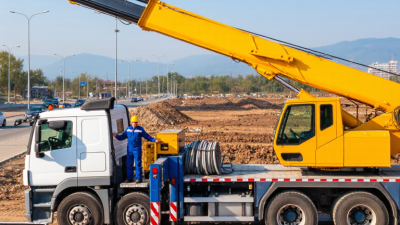
Small crane trucks support work where a full-size crane would be difficult to position. On urban construction sites, crews use them to lift steel sections, roofing materials, and compact equipment over fences or into narrow courtyards. Space is tight. Their smaller footprint can help, but operators still need room to deploy stabilizers and check the ground.
Utility and maintenance teams use these trucks to place pumps, transformers, and replacement machinery near service locations. In warehouses and workshops, a truck-mounted crane can move heavy components between delivery areas and installation points. Farms also use compact cranes to handle motors, fencing supplies, and equipment parts. The useful lifting range depends on the load, boom reach, and setup conditions, so teams should confirm the lifting chart before work begins.
Municipal crews may rely on small crane trucks for signs, drainage components, and landscaping materials. A short trip between sites can make a truck-mounted setup practical, especially when separate lifting equipment is unavailable. Still, “small” does not mean simple. Sloped surfaces, soft soil, overhead obstacles, and changing load positions can affect safe operation. A tidy site plan can miss one awkward access point; walking the route beforehand often reveals it. Operators should match the truck to the task and follow its operating instructions.
Top Small Crane Truck Models for Sale Worldwide
Choosing a small crane truck starts with the load, not the advertised maximum capacity. Record the heaviest item, lifting accessories, and the farthest working radius. A 1.5-ton load at a short reach can demand a different truck from the same load across a wall. Check the load chart at the actual boom angle and extension. Rated capacity falls as reach increases.
Match the truck to its real worksite. Measure gate width, overhead clearance, ground slope, and room for outriggers. Soft paving or a narrow roadside setup may limit where the truck can safely stand. Check axle loads and gross vehicle weight, too. A crane that fits the job on paper may not fit the access route. Small margins matter.
The NIOSH report “Crane-Related Deaths in Construction and Recommendations for Their Prevention” recorded 632 U.S. crane-related occupational deaths from 1992 to 2006, about 42 per year. That history makes setup and operator training part of model selection, not an afterthought. Ask for the load chart, outrigger reaction data, and service records. Then compare these with the heaviest routine lift, not an occasional best-case lift. Be candid about uncertain ground conditions; a site visit can expose assumptions that a specification sheet cannot.