Top Crane Truck Rental Companies Worldwide?
Choosing among the top crane truck rental companies worldwide requires more than comparing daily prices. A suitable provider must match the truck’s lifting capacity, boom reach, terrain, transport distance, and project schedule. A 25-ton crane truck may handle steel beams at an urban site, yet fail where soft ground demands stronger stabilization. Small details matter.
Mike Parnell, a recognized crane-safety trainer and lifting industry educator, offers a practical warning: “A crane is only as safe as the people who operate it.” That principle also applies to crane truck rental decisions. Experienced companies provide inspected equipment, qualified operators, clear load charts, and realistic site assessments. They should explain setup space, outrigger requirements, weather limits, and emergency procedures before dispatch.
This guide compares leading providers across regional coverage, fleet quality, operator expertise, response time, pricing clarity, and safety practices. It considers established international brands and dependable local specialists. Global scale helps, but it does not guarantee better service. Sometimes, a smaller company knows the site better.
No ranking is perfect. Availability changes quickly, and rental terms vary between countries, cities, and project types. A low quote can become expensive after fuel, mobilization, permits, standby hours, or difficult access are added. Readers should verify insurance, certifications, maintenance records, and contract conditions directly. The strongest choice is not always the largest company. It is the provider that can place the right crane truck safely, legally, and efficiently where the work actually happens.
What Is a Crane Truck Rental Company?
A crane truck rental company supplies trucks fitted with hydraulic cranes for lifting and transporting materials. These vehicles may carry steel beams, generators, timber, concrete forms, or construction equipment. The crane loads the cargo at one location, then the truck delivers it to another site. This combination can reduce handling time and equipment changes.
Rental companies usually offer dry hire or operated hire. Dry hire provides the vehicle to a qualified customer. Operated hire includes a trained crane operator who manages lifting procedures on site. Reliable providers should explain load charts, lifting capacity, boom reach, rental hours, delivery charges, and cancellation terms. They should also provide maintenance records and current inspection documents. Details matter.
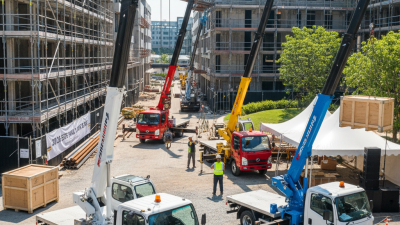
Site conditions can change the decision. A heavy truck may need firm ground, enough turning space, and room for stabilizing outriggers. Overhead cables, narrow gates, soft soil, and poor weather can create serious delays. A careful provider asks for site photos, cargo dimensions, weight, lifting height, and access restrictions before confirming the vehicle. Guesswork is expensive.
A common mistake is choosing the lowest hourly rate. That price may exclude transport, setup, waiting time, or an operator. Customers should compare the complete service rather than one attractive number. Even experienced teams can misjudge reach or ground pressure. A second site check can prevent an awkward and costly correction.
Top Crane Truck Rental Companies Worldwide? What Is a Crane Truck Rental Company?
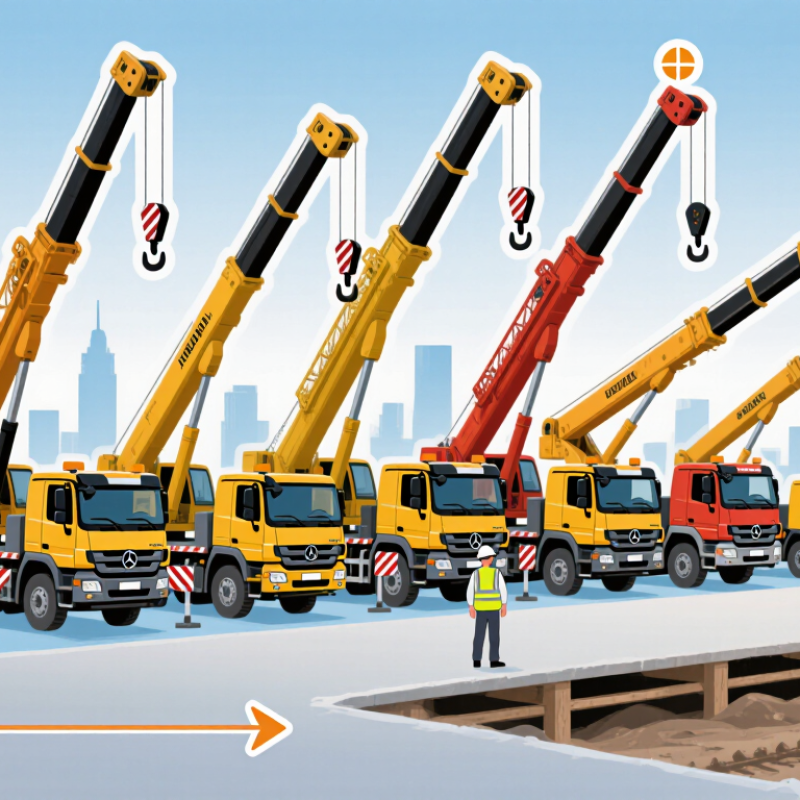
A crane truck rental company provides truck-mounted lifting equipment, operators, and related services for construction, infrastructure, utility, logistics, and industrial projects. The chart shows representative lifting-capacity classes commonly used when selecting a rental crane truck.
Capacity requirements vary according to boom configuration, working radius, ground conditions, and lift height. Actual rental specifications should always be confirmed with the local provider and supported by a project-specific lift plan.
How Crane Truck Rental Companies Are Evaluated
Crane truck rental companies are evaluated by more than fleet size or attractive hourly rates. Experienced contractors examine lifting capacity, boom reach, truck dimensions, and site access before requesting a quote. A vehicle rated for 10 tons may lift far less at full extension. That detail matters.
Reliable providers show current inspection records, maintenance logs, insurance documentation, and operator qualifications. They explain load charts in practical terms, not vague sales language. Customers should also review response times, equipment replacement procedures, and delivery policies. A delayed truck can stop an entire crew beside an unfinished foundation.
Real-world performance deserves close attention. Ask for references from projects involving similar loads, ground conditions, and working heights. Check whether operators inspect soil stability, overhead clearance, weather risks, and nearby structures. Safety planning should be visible before the truck arrives. Cheap pricing can hide weak preparation.
Professional evaluation should include a written quote with fuel charges, setup time, minimum rental hours, and cancellation terms. Communication is another strong indicator. Does the coordinator ask useful questions, or simply confirm the date? No score is perfect. Even experienced teams can underestimate access problems after reviewing photographs. A physical site assessment remains valuable, especially for narrow roads, soft ground, or crowded industrial areas.
Leading Crane Truck Rental Companies by Region
Leading Crane Truck Rental Companies by Region
Crane truck rental markets differ sharply by region, project type, and transport infrastructure. In North America, rental fleets often include telescopic cranes for utility work, bridge repairs, and urban construction. Customers usually examine load charts, service records, insurance documents, and operator qualifications before booking.
Europe places strong emphasis on road access, emissions standards, and restricted city routes. Compact crane trucks suit narrow streets in older cities, while larger units support wind, rail, and industrial projects. Rental providers typically offer detailed lifting plans and equipment inspections. Small details matter here.
In the Middle East, high temperatures and dusty sites can affect hydraulic systems, tires, and cooling performance. Contractors should confirm heat-rated equipment and practical maintenance support. Asia-Pacific markets vary widely, from dense city projects to remote infrastructure work. Local providers may understand permits and difficult terrain better than international firms. Latin America and Africa often require flexible scheduling, spare-part access, and careful checks on road conditions. A truck that performs well in a port may struggle on an unpaved access road.
Experience still reveals gaps in regional comparisons. Published fleet sizes do not always show availability, inspection quality, or response speed. Some rental decisions look affordable until mobilization, standby time, and operator costs appear. Ask for recent inspection evidence, realistic lifting capacity, and clear damage policies before signing. Planning can be imperfect. Field conditions change.
Services and Equipment Offered by Top Rental Providers
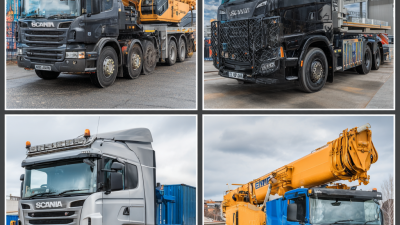
Top crane truck rental companies worldwide compete through service depth, equipment reliability, and site support. Rental fleets commonly include truck-mounted cranes, knuckle-boom units, telescopic handlers, and compact lifting vehicles. These machines suit steel placement, utility maintenance, construction deliveries, and confined urban work.
The Global Rental Alliance reports continued growth in equipment rental demand across major regional markets. Research and Markets also identifies infrastructure investment as a key driver of crane industry expansion. Strong providers therefore offer more than hourly equipment access. Their services may include operator training, transport planning, load-chart guidance, preventive maintenance, and emergency replacement units. Clear inspection records matter. So does fast communication.
Equipment selection should match load weight, reach, ground conditions, and road access. A 10-ton truck crane may handle concrete beams, while a smaller knuckle-boom unit can position materials beside a narrow street. Providers should supply lifting accessories, stabilizer mats, remote controls, and certified safety devices where required. However, rental brochures can oversimplify real conditions. Wind, uneven surfaces, and changing loads can quickly alter a lift plan. A detailed site assessment remains essential. No checklist replaces judgment. Rates may look attractive, but downtime, delivery limits, and operator availability can change the final cost. Some rental companies still provide incomplete technical information. That weakness deserves closer scrutiny.
How to Choose the Right Crane Truck Rental Company
Choosing the right crane truck rental company requires more than comparing hourly rates.
Start with the lift itself. Confirm the load weight, lifting radius, maximum height, and ground conditions. A compact truck may suit a narrow road, while a heavier unit may need stronger access points.
Ask for current inspection records, maintenance history, and operator qualifications.
Reliable companies explain their equipment clearly. They should also provide load charts, insurance details, and a practical site assessment. Watch how they discuss risks. Vague answers are warning signs.
Visit the work area before booking.
Check overhead cables, gate widths, turning space, soil firmness, and nearby structures. A useful provider will identify problems before the truck arrives. Ask about arrival windows, replacement equipment, weather delays, and cancellation terms. Small details matter.
Price still matters.
It should not control the entire decision. The cheapest quote may exclude setup, transport, or standby time. Request a written estimate with every charge shown. Then compare response speed, equipment condition, and technical support.
No company is perfect.
Your own planning may also be incomplete. Recheck measurements with the site supervisor and crane operator. One overlooked obstacle can change the safest equipment choice. Choose the provider that communicates precisely and accepts reasonable questions.