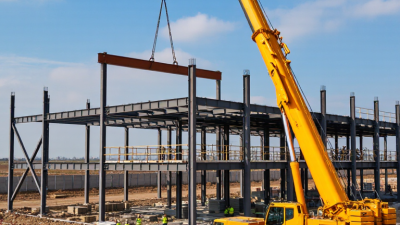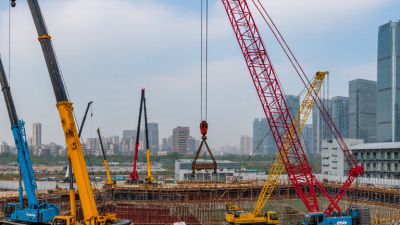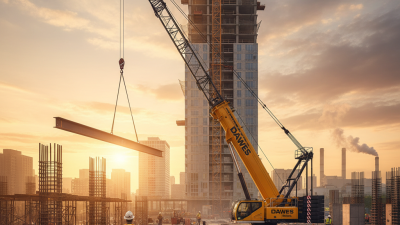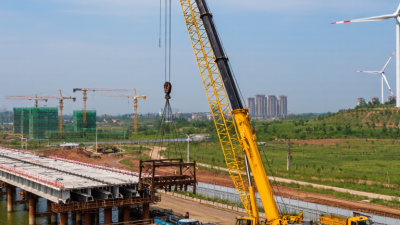
Choosing the best boom crane rental for global projects requires more than comparing daily prices. Each site presents different ground conditions, lifting distances, weather patterns, and transport limits. A crane suitable for a bridge project in Rotterdam may fail operationally on a remote mining site in Chile. The right decision begins with the load chart, maximum radius, required boom length, counterweight needs, and available setup space.
Mike Chaffee, a respected safety voice in the specialized transport industry, offers a useful principle: “Safety is not a department; it is a responsibility shared by everyone.” That principle should guide every boom crane rental decision. Reliable providers should demonstrate documented inspections, trained operators, preventive maintenance, and clear emergency procedures. They should also understand regional certification requirements, customs delays, insurance expectations, and local lifting practices. Experience matters when a crane must cross borders before reaching a narrow, muddy worksite.
Price still matters. It is not everything.
A strong rental partner can provide load studies, lift planning support, transport coordination, and replacement equipment when conditions change. Telematics may help monitor operating hours and maintenance intervals. However, technology cannot replace an experienced lift supervisor. This is where many project plans become overly confident. Wind restrictions may change suddenly, and underestimated ground preparation can create expensive delays. The most dependable choice is not always the newest crane or the lowest quote. It is the provider that communicates limitations honestly, verifies assumptions, and supports the project from delivery through demobilization.
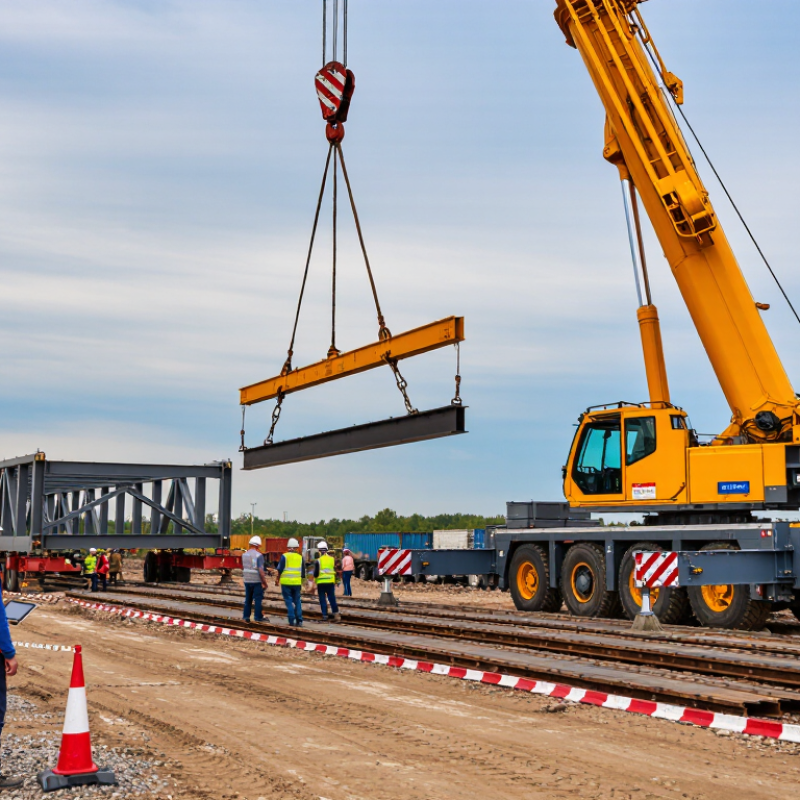
Boom crane rental means hiring lifting equipment with an articulated or telescopic boom. The crane, operator, delivery, setup, and maintenance may form one service package. Rental terms vary by region and project duration. A site assessment should confirm load weight, lifting radius, ground strength, and maximum height. I have found that small planning errors often create expensive delays.
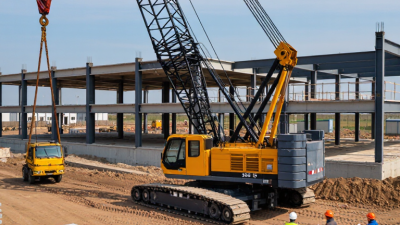
Telescopic boom cranes suit road construction, building installation, and urban maintenance. Their hydraulic sections extend quickly and require less assembly space. Lattice boom cranes offer strong lifting performance across long distances. However, they usually need transport planning and ground assembly. Knuckle boom cranes work well for compact sites, trucks, ports, and material placement near obstacles. Mobile cranes provide flexibility, while crawler cranes offer stability on prepared ground.
GLOBAL PROJECTS Global projects need more than the largest available crane. Local engineers should review soil reports, wind limits, transport routes, and electrical clearances. Regional safety rules and operator qualifications also need verification before mobilization. A reliable rental partner provides inspection records, load charts, trained operators, and emergency support. Ask for clear responsibilities in writing. That detail matters.
Weather can change the lift plan within minutes. Rain, sand, or strong coastal winds may reduce safe operating capacity. I once underestimated access conditions on a tight site; the crane arrived, but turning space was insufficient. The better choice is the crane matching the actual lift, not the most impressive specification. That judgment deserves a second review.
For global projects, the best boom crane rental is rarely the cheapest daily rate. Compare the complete operating cost instead. The International Rental Association’s 2024 market report highlights utilization, financing costs, and fleet replacement as major rental pressures. These factors can change your quoted price between regions. Request the machine’s rated capacity, working radius, maximum wind speed, and inspection history. A crane lifting steel beside a coastal site needs different protection from one working in a dry inland yard.
International comparison also requires practical checks. Confirm local operator certification, insurance requirements, transport permits, spare-parts access, and emergency response times. The IPAF Global Safety Report 2024 recorded 118 powered-access fatalities from reported incidents in 2023. That figure is not a crane-specific measure, but it reinforces the value of verified training and daily inspections. I still see project teams compare reach first and ground conditions later. That shortcut is expensive. A compact machine may fit through a gate, yet fail on soft soil or uneven outriggers.
Tips: Ask for a landed-cost quotation, not only a rental rate. Include delivery, fuel, assembly, taxes, standby hours, and demobilization. Compare load charts at the exact radius. Request recent maintenance records and a written replacement plan. Currency changes can distort a seemingly attractive offer. My own comparison may remain imperfect, especially when weather data is limited. Leave room for that uncertainty.
What Is the Best Boom Crane Rental for Global Projects?
Crane selection starts with the load chart, not the advertised maximum capacity. A 50-ton crane may lift far less at a 30-meter radius. Check the actual load, radius, boom angle, hook block, and rigging weight. Include wind exposure and dynamic movement. The Global Wind Energy Council reported 117 GW of new wind capacity in 2023, showing why modern projects often demand long reach and careful load control.
Site compatibility matters just as much. Confirm outrigger reactions against the ground-bearing capacity, especially on reclaimed land or temporary roadways. Measure bridge limits, gate widths, overhead lines, turning space, and assembly zones. The American Society of Civil Engineers gave U.S. infrastructure an overall C grade in its 2025 report, so access assumptions can be dangerously optimistic. A compact crane may reach the site but lack the required stability.
I would request a lift plan based on the heaviest radius, not the average lift. Ask for current inspection records, operator qualifications, load charts, and regional compliance documents. The Bureau of Labor Statistics continues to record more than 1,000 construction fatalities annually, making verification essential. One spreadsheet is never enough. Ground conditions change after rain. I have seen neat calculations fail at muddy entrances. Recheck them. A reliable rental partner should explain these weaknesses clearly, even when the answer delays mobilization.
| Crane Rental Category | Typical Rated Capacity | Typical Maximum Boom Reach | Typical Working Radius | Common Transport Method | Best Site Conditions | Key Advantages | Main Limitations | Global Project Suitability |
|---|---|---|---|---|---|---|---|---|
| Truck-Mounted Telescopic Boom Crane | 10–80 metric tonnes | 20–60 m | 8–45 m, depending on load and boom angle | Self-propelled on public roads; transport permits may be required | Paved roads, prepared yards, urban construction areas, and infrastructure projects | Fast mobilization, flexible road travel, and relatively short setup time | Lower capacity and stability than larger all-terrain or crawler cranes; sensitive to ground bearing conditions | High for urban and multi-site projects |
| All-Terrain Crane | 40–1,200 metric tonnes | 30–100 m with telescopic boom; greater reach with extensions | 10–80 m, depending on configuration | Road-legal or road-transportable in sections, subject to local regulations | Mixed urban, industrial, bridge, energy, and remote sites with suitable access roads | Combines highway mobility with strong lifting performance and versatile setup options | High rental and mobilization cost; requires adequate space for outriggers and counterweights | Very high for international industrial projects |
| Rough-Terrain Crane | 15–150 metric tonnes | 20–60 m | 8–40 m | Usually transported by low-loader or heavy-haul trailer | Uneven, undeveloped, or partially prepared ground on construction and resource sites | Strong off-road maneuverability, compact footprint, and good performance on rough access routes | Not intended for long-distance road travel; generally needs a trailer for relocation | High for remote construction and civil works |
| Crawler Crane | 40–3,000+ metric tonnes | 30–120 m; lattice-boom configurations can exceed this range | 15–100+ m, depending on boom and counterweight arrangement | Disassembled and moved on multiple heavy-haul transport units | Large, stable work zones with engineered haul roads and verified ground bearing capacity | Excellent stability, high lifting capacity, and ability to travel short distances while loaded | Slow and costly mobilization; requires substantial assembly area and site preparation | Very high for major infrastructure and heavy industrial lifts |
| Lattice-Boom Crawler Crane | 100–3,000+ metric tonnes | 50–150+ m, depending on boom and jib configuration | 20–120+ m | Transported in modular sections by heavy-haul vehicles or vessels | Large-scale power, petrochemical, port, bridge, and modular construction sites | High capacity and long reach with strong structural efficiency for repetitive heavy lifts | Complex engineering, extensive assembly time, and significant ground and logistics requirements | High for mega-projects with long planning cycles |
| Truck-Mounted Knuckle-Boom Crane | 3–30 metric tonnes | 8–30 m | 4–20 m | Self-propelled truck; normally road-mobile between delivery points | Urban delivery, utility work, residential construction, and confined access areas | Compact, quick to deploy, and capable of loading or unloading its own truck bed | Limited lifting capacity and reach; performance drops significantly at extended radius | High for light-duty regional work |
| Floating Crane or Barge-Mounted Boom Crane | 50–1,000+ metric tonnes | 30–100+ m | 20–90+ m, subject to vessel stability and operating limits | Moved by tugboat, heavy-lift vessel, or self-propelled marine platform | Ports, offshore construction, marine infrastructure, and locations without adequate land access | Can lift heavy components directly from water and reduce overland transport requirements | Weather, wave, tide, stability, and marine permitting can restrict operations | Specialized for offshore and coastal projects |
Rental Costs, Transport, Compliance, and Regional Availability
The best boom crane rental depends on the worksite, not only the advertised daily rate. A useful estimate includes mobilization, fuel, rigging, operator support, insurance, taxes, and standby hours. Weekly or monthly pricing may reduce the base cost, but idle equipment can quickly remove that advantage. No estimate is perfect. Weather delays and changing site conditions often create overlooked expenses.
Transport requires early planning. Confirm the crane’s total weight, folded dimensions, axle load, and lifting accessories before booking. Route surveys may identify weak bridges, narrow roads, height limits, or restricted delivery hours. International moves can also require customs documents, temporary import records, port handling, and regional transport permits. A crane that is available near the port may still be expensive to deliver inland.
Compliance varies between countries and sometimes between provinces or states. Check inspection records, rated load charts, operator qualifications, emergency procedures, and site-specific safety requirements. Local rules may also cover emissions, noise, road access, and working near public infrastructure. Regional availability matters when replacement parts or qualified technicians are needed quickly. In remote areas, a slightly higher rental rate may provide better reliability through local support. A recurring planning mistake is choosing equipment before confirming ground conditions, lift radius, and power limitations. Rechecking those details can prevent a costly change later.
What Is the Best Boom Crane Rental for Global Projects?
Selecting the best boom crane rental starts with the project, not the advertised lifting capacity. Define the heaviest load, working radius, lift height, ground pressure, and available access route. A 60-ton crane may fail where a smaller unit offers better reach and stability. Check load charts at the actual radius, including rigging weight and wind limits. Ground conditions matter greatly on reclaimed land, steep sites, and unfinished roads. Request recent inspection records, maintenance logs, and operator qualifications before mobilization. The 2023 crane market was valued at approximately $34.9 billion, according to Allied Market Research. That growth reflects demand, but it also increases equipment variation and selection risk.
Tips: Compare total project cost, not daily rental price. Include transport, setup, permits, fuel, standby time, and dismantling. The Associated General Contractors’ 2024 workforce survey found that 94% of contractors struggled to fill positions. Therefore, confirm whether qualified operators and signal personnel are included. Language ability and site-specific safety training deserve attention on international projects. Small details prevent expensive delays.
A reliable rental partner should provide a lift plan, weather response process, emergency contacts, and replacement-equipment options. Ask how quickly they can respond if the crane develops a fault. A spreadsheet cannot fully predict muddy access or delayed cargo clearance. I would still recheck the plan after a site walk. The cheapest rate may become the costliest decision. Select equipment that fits the load, terrain, schedule, and local operating conditions.
The chart shows indicative rated-capacity ranges commonly associated with major boom crane categories. Actual capacity depends on boom length, working radius, counterweight, ground conditions, transport limits, and the manufacturer’s load chart. Use truck-mounted cranes for mobility, rough-terrain cranes for uneven sites, all-terrain cranes for mixed road and off-road work, and crawler cranes for heavy lifts requiring high stability.