Top Crane Rentals for Global Construction Projects

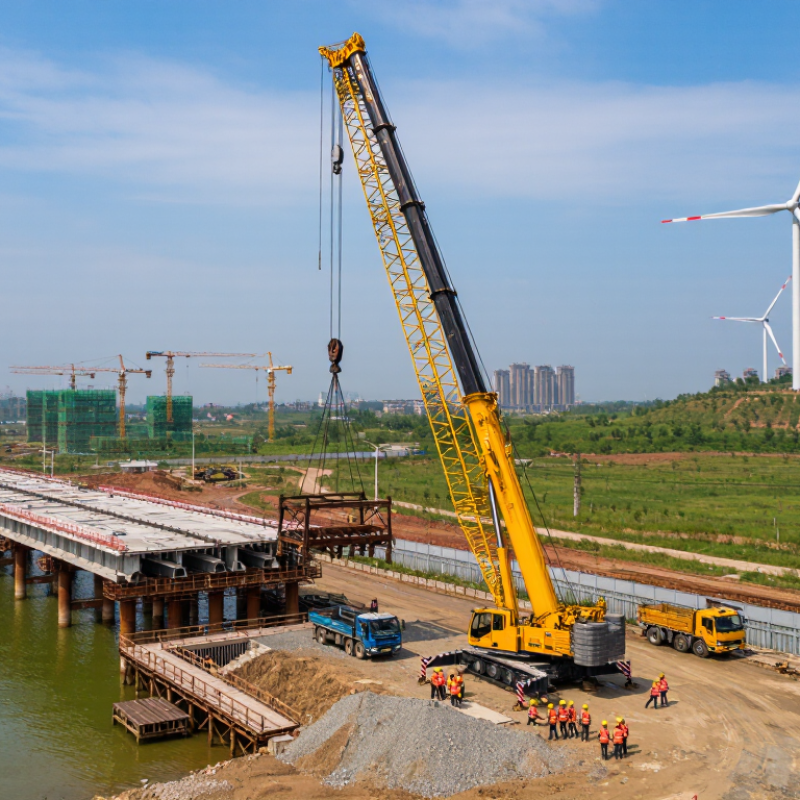
Global construction projects are becoming larger, denser, and more time-sensitive. From bridge decks in Southeast Asia to wind farms in Northern Europe, lifting equipment must match demanding site conditions. Crane rentals offer contractors flexible access to mobile, tower, crawler, and rough-terrain cranes without permanently tying up capital.

The need is substantial. Global Construction Perspectives and Oxford Economics projected worldwide construction output could reach $15.5 trillion by 2030. Deloitte’s 2025 Engineering and Construction Industry Outlook also highlights labor shortages, rising input costs, and stronger digital coordination needs. These pressures make equipment selection more than a purchasing decision. It affects productivity, safety planning, transport schedules, and project margins. Conditions change fast.

The European Rental Association’s 2024 market reporting shows why rental models remain important across equipment-intensive industries. Rental companies can provide inspected machines, trained support, maintenance planning, and replacement options when projects shift. However, no report captures every local delay, weather risk, or operator shortage. That limitation matters. A crane that performs well on a flat urban site may struggle on soft ground or a remote mountain road.

This guide examines top crane rentals for global construction projects through practical criteria. These include lifting capacity, boom reach, terrain suitability, transport requirements, certification, and supplier responsiveness. It also considers real project experience, not only brochure specifications. Reliable recommendations should connect published industry evidence with site-level judgment, qualified operators, and documented inspection practices. The strongest rental choice is not always the largest crane. It is the machine that safely delivers the required lift, at the required location, within the actual project schedule.
Top Crane Rentals for Global Construction Projects

Crane Rental Basics for Large-Scale Construction Projects

Large-scale construction projects depend on reliable crane rental decisions. The right crane must match the load, reach, site access, and project schedule. A tower crane may suit a high-rise structure, while a mobile crane offers faster relocation between work zones.

Start with the load chart, not the advertised lifting capacity. Confirm the heaviest load, lifting radius, hook height, and required attachments. For example, a 12-ton steel frame may need far more capacity when placed 35 meters from the crane base. Review ground conditions carefully. Soft soil can require engineered mats or reinforced support areas.

Plan delivery, assembly, operation, and removal before signing the rental agreement. Ask for recent inspection records, maintenance history, operator qualifications, and emergency procedures. Check who handles fuel, transport permits, setup, standby time, and weather delays. These details can change the real rental cost.

Small details matter.

An experienced site supervisor should verify the lift plan with the crane provider and structural engineer. Wind readings, overhead lines, nearby buildings, and pedestrian routes need daily attention. A rushed plan may look complete but still overlook changing ground conditions. I have seen schedules become unrealistic after one access road failed inspection. That experience is worth remembering: rental duration should include practical setup time, not only lifting hours.

Main Crane Types and Their Suitable Applications

Top Crane Rentals for Global Construction Projects

Choosing the right crane begins with the site, not the advertised lifting capacity. According to GlobalData’s 2024 Global Construction Outlook, worldwide construction output was expected to grow by about 2.9% in 2024. That growth increases demand for flexible lifting equipment across infrastructure, energy, and commercial projects.

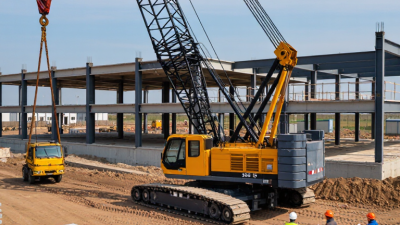
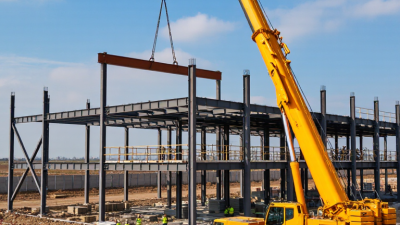
Mobile cranes suit roadwork, bridge repairs, and changing sites. Their telescopic booms can reach a delivery area without permanent foundations. Crawler cranes provide stronger stability on soft ground and handle heavy lifts over longer distances. Tower cranes remain effective for high-rise buildings, where repeated vertical lifting is required. Rough-terrain cranes work well on uneven construction plots, while truck-mounted cranes support short, urban lifts. Small jobs matter too.

The International Rental Association’s market reports show rental remains a major route for accessing construction equipment, especially when contractors want to limit capital exposure. Yet the cheapest rental is rarely the safest choice.

Confirm the load chart, boom length, counterweight, ground-bearing pressure, and local wind limits.

A 60-ton mobile crane may not lift 60 tons at the required radius. That detail is often missed.

Project managers should also request inspection records, operator qualifications, transport plans, and emergency procedures. The Global Wind Energy Council reported more than 117 gigawatts of new wind capacity installed worldwide in 2023, creating complex lifting needs for turbines and components.

In my experience, weather delays and poor ground surveys cause more trouble than crane selection itself. I may be wrong on some sites, but ignoring those details is rarely a minor mistake.

How to Evaluate Global Crane Rental Providers

Evaluating global crane rental providers requires more than comparing hourly rates. Start with the provider’s experience on projects similar to yours, including ports, bridges, factories, and high-rise sites. Ask for documented lifting records, operator qualifications, inspection schedules, and recent client references. A reliable company should explain load charts clearly and identify limits without vague promises.

Check fleet condition in practical detail. Request maintenance logs, inspection certificates, transport plans, and replacement procedures for critical parts. Confirm whether local technicians can respond quickly when a crane stops at a remote site. Review insurance coverage, liability terms, weather procedures, and compliance with the destination country’s safety requirements. These details often matter more than a low quotation.

Communication is another test. Can the provider deliver drawings, risk assessments, and technical support in your working language? Ask how they handle customs delays, ground instability, restricted access, and sudden schedule changes. A video call from the actual site may reveal more than polished sales material. I would also compare two or three quotations using the same lifting conditions, not different assumptions. Rates can mislead. My own evaluation would include a trial review of documents before signing, because even experienced teams overlook small exclusions. That weakness is worth admitting. A dependable provider welcomes difficult questions and records every answer.

Safety, Compliance, and Operator Requirements

Selecting the right crane for a global construction project involves more than lifting capacity. Safety begins with a documented site assessment, including ground strength, wind exposure, overhead hazards, and the planned load path. A qualified engineer should confirm the crane’s configuration before delivery. Small oversights matter.

Compliance requirements vary by location, so project managers must verify permits, inspection records, insurance documents, and equipment certifications with local authorities. The crane should arrive with clear maintenance history and current test results. Records must remain accessible at the worksite, not buried in an office system. A translated checklist may also be necessary when multinational crews share one project.

Operator competence deserves equal attention. Operators should hold recognized credentials for the crane class and complete site-specific induction before starting work. They need practical knowledge of load charts, signal systems, emergency shutdowns, and changing weather conditions. One experienced operator may still need supervision when using an unfamiliar model or working in a crowded urban area.

Communication should be direct. A designated signal person reduces confusion between the operator, riggers, and supervisors. Daily briefings can identify unstable soil, restricted visibility, or altered lifting routes. Even strong procedures can fail when schedules become tight. That weakness deserves honest review, especially after a near miss. Regular inspections, realistic lifting plans, and empowered stop-work authority help protect people and maintain dependable project control.

Top Crane Rentals for Global Construction Projects - Safety, Compliance, and Operator Requirements
Typical rental specifications and operational requirements for major construction applications. Actual capacity depends on the approved load chart, boom configuration, radius, ground conditions, wind limits, and local regulations.
Rank Crane Type Typical Rated Capacity Typical Working Reach Best-Fit Construction Applications Key Site and Safety Controls Compliance and Operator Requirements
01 All-Terrain Mobile Crane 40–1,000 metric tonnes, depending on configuration Approximately 30–100 m boom length; maximum radius varies significantly with capacity and counterweight Large infrastructure, power facilities, industrial plants, bridge construction, and heavy lifts requiring travel between prepared locations Engineered lift plan; verified outrigger support; ground-bearing assessment; exclusion zone; wind monitoring; counterweight and configuration verification; transport-route review Operator must be trained, evaluated, and authorized for the specific crane class and configuration. Follow applicable local rules and recognized standards such as ASME B30.5, EN 13000, or equivalent national requirements.
02 Crawler Crane 40–1,000 metric tonnes for common project and rental configurations Approximately 30–120 m main boom; lattice extensions can increase working height and reach Wind farms, petrochemical facilities, bridge segments, precast installation, and long-duration heavy lifts on prepared sites Ground improvement and bearing verification; crawler matting where needed; travel-path inspection; assembly and disassembly controls; stability assessment; wind limits for long booms Requires a qualified operator, competent assembly crew, documented lift planning, and inspection records. Critical lifts may require a designated lift director or appointed person under local practice.
03 Tower Crane Typically 1–20 metric tonnes, with capacity decreasing as jib radius increases Approximately 30–80 m jib length; height can exceed 200 m with climbing or tie-in systems High-rise buildings, residential towers, commercial structures, and projects requiring repeated vertical lifting over a fixed work zone Foundation and tie-in design; anti-collision controls where cranes overlap; oversailing restrictions; wind-speed monitoring; safe access; systematic maintenance and inspection Operator must be specifically trained and assessed for tower-crane operation. Erection, climbing, alteration, and dismantling require competent specialist personnel and documented procedures.
04 Hydraulic Mobile Crane Approximately 10–500 metric tonnes Typically 20–80 m telescopic boom, with optional jib extensions General building construction, precast panels, HVAC equipment, steel erection, maintenance, and short-duration lifting tasks Outriggers fully deployed as specified; level setup; load-chart compliance; overhead-line clearance; traffic control; lifting-accessory inspection; tag-line use when appropriate Operator qualification, site induction, and equipment-specific familiarization are required. In the United States, most construction crane operators fall under OSHA certification and evaluation requirements, subject to applicable exceptions.
05 Rough-Terrain Crane Approximately 10–150 metric tonnes Approximately 20–60 m telescopic boom Commercial construction, infrastructure sites, bridge work, utility projects, and locations with uneven or partially developed access roads Operate only within the manufacturer’s travel and lifting limits; inspect soil and slopes; use outriggers correctly; control swing radius; maintain visibility and clear communication Requires a trained operator authorized for rough-terrain cranes and, where applicable, separate qualification for mobile-crane operation. Site rules must address travel, pedestrian separation, and load handling.
06 Truck-Mounted Crane Approximately 10–100 metric tonnes Approximately 20–50 m telescopic boom Urban construction, utility installation, roadside maintenance, sign and lighting work, and delivery-and-place operations Vehicle positioning and traffic management; outrigger deployment; overhead hazard assessment; load securement during travel; confirmation that the setup surface can support the imposed loads Operator may need both crane-operation authorization and the appropriate commercial driving license, depending on jurisdiction and vehicle classification. Daily inspection and lifting-accessory checks are essential.
07 Mini or Compact Crawler Crane Approximately 1–10 metric tonnes Approximately 5–25 m boom or telescopic attachment reach Indoor construction, glass installation, restricted-access sites, renovations, atriums, and projects with limited floor loading or narrow access Verify floor loading and access dimensions; protect finished surfaces; use remote-control safeguards where fitted; maintain a controlled exclusion zone; account for battery, electric, or engine ventilation requirements Operator must receive equipment-specific training and site authorization. Indoor work may require additional controls for ventilation, noise, battery charging, and emergency access.
08 Floating Crane or Crane Barge Approximately 50–1,000+ metric tonnes, subject to vessel and crane design Commonly 20–80 m boom length; operational radius is affected by water depth, ballast, and vessel stability Port development, marine infrastructure, offshore construction, bridge work over water, dredging support, and heavy component installation Marine lift plan; stability and ballast calculations; weather and wave limits; navigation coordination; mooring or dynamic-positioning controls; personnel transfer and emergency-response planning Requires appropriately certified crane and marine personnel, vessel compliance documentation, and adherence to flag-state, port-state, and project-specific maritime requirements.
Planning note: Capacity ranges are representative industry ranges rather than guaranteed rental specifications. Before mobilization, confirm the manufacturer’s load chart, inspection status, certification, site access, ground conditions, lifting accessories, local licensing rules, operator credentials, and the project’s approved lift plan. Common reference frameworks include OSHA 29 CFR 1926 Subpart CC, ASME B30.5, EN 13000, and ISO 12480-1, but the governing requirements depend on the country and project location.

Rental Planning, Costs, and Project Logistics

Choosing a crane rental for an international construction project requires more than comparing daily rates. Planners should match lifting capacity, boom length, site access, and operating hours to the real schedule. An experienced site engineer can test this plan against wind exposure, soil bearing pressure, and nearby structures. Request inspection records, operator qualifications, maintenance history, and documented load-test results. These records support safer decisions and reveal whether the rental provider works reliably across jurisdictions. Small gaps matter.

Rental costs include more than the crane itself. Budget for transport, assembly, dismantling, fuel, operators, insurance, permits, and standby time. A low daily price can become expensive when delivery delays stop several trades. My early estimates were often too optimistic. Now, I compare full project costs instead of headline rates. I also keep a contingency for weather, replacement parts, and schedule changes. It is not perfect.

Logistics need a written lifting plan with delivery windows, road restrictions, storage areas, and emergency contacts. Confirm ground preparation before the crane arrives. A compacted access road may look strong but fail under concentrated outrigger pressure. Coordinate with local authorities and customs specialists when equipment crosses borders. Keep permit copies, equipment dimensions, and emergency procedures at the site office. Clear radio communication helps crews manage blind lifts, changing weather, and crowded work zones.