2026 Top Luffing Crane Models for Global Buyers to Consider?
As the construction industry evolves, selecting the right equipment is crucial for project success. Among various options, the luffing crane stands out for its versatility and efficiency. These cranes are particularly known for their ability to work in confined spaces. This makes them ideal for urban construction sites, where space is often at a premium.
In 2026, global buyers will benefit from evaluating top luffing crane models. Each model brings unique features that cater to different project needs. Buyers should pay attention to load capacity, reach, and operational costs. However, it’s important to acknowledge that not every model may suit every project.
Ultimately, understanding the strengths and limitations of luffing cranes is essential. This knowledge will empower buyers to make informed decisions. The right choice can significantly impact productivity and safety on site. As you explore these options, consider factors like local regulations and project requirements. It’s a journey worth taking.
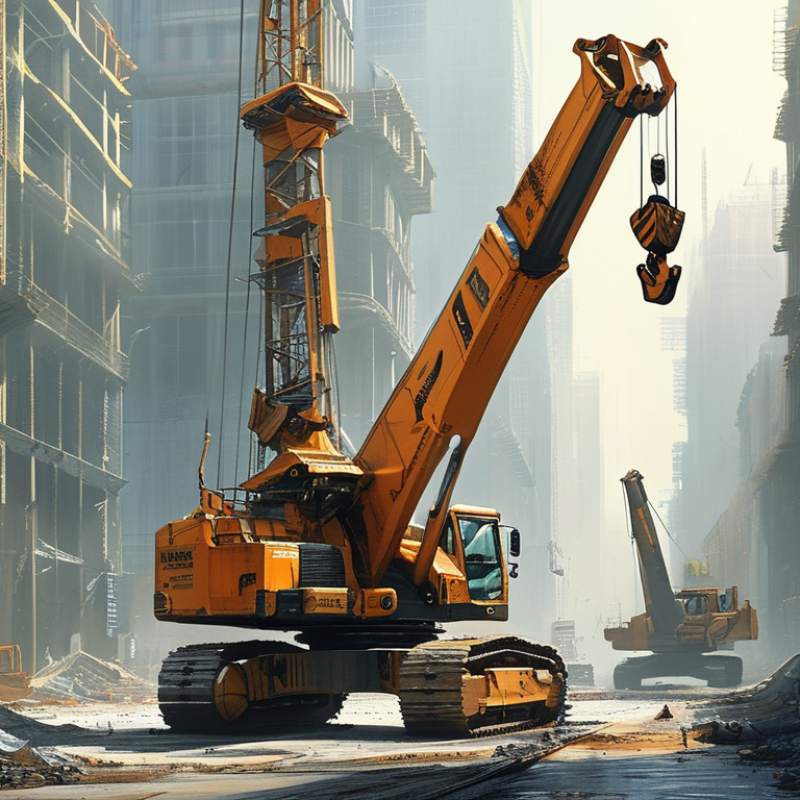
2026 Luffing Crane Market Overview: Trends and Demand Analysis
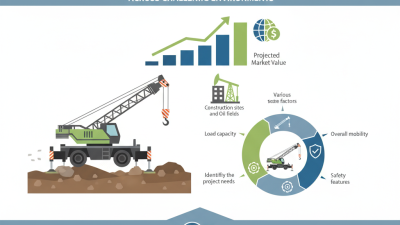
The luffing crane market is expected to see significant growth in 2026, driven by increased demand in urban construction and infrastructure projects. According to a recent report by Grand View Research, the luffing crane market is projected to reach $3.8 billion globally by 2027. This growth is fueled by the rising need for efficient lifting solutions in crowded spaces.
In major metropolitan areas, the development of high-rise buildings continues. Luffing cranes are ideal for such projects because they operate in confined spaces without requiring extensive crane swing. Furthermore, the shifting trends towards automation and smart construction technologies are influencing demand. The integration of advanced technologies can enhance safety and productivity, making these cranes more appealing.
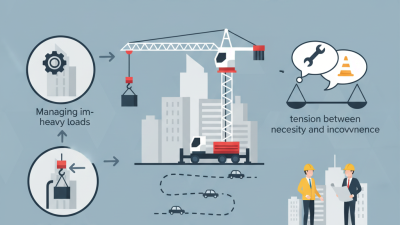
However, challenges remain. The initial investment in luffing cranes can be high, potentially deterring some buyers. Maintenance and operational costs can also climb steeply, especially for smaller businesses. Therefore, potential buyers should conduct thorough feasibility studies before investing in this equipment. Understanding local market dynamics and construction demands is key to making informed decisions.
Key Features of Top Luffing Crane Models for International Construction
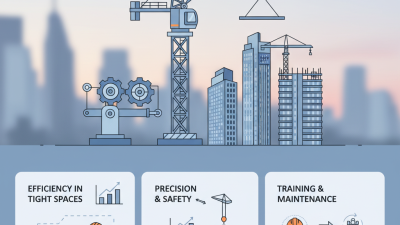
Luffing cranes are paramount in modern construction. Their ability to operate in tight spaces sets them apart. Key features often include a compact design, which maximizes their reach while minimizing their footprint. This is crucial in urban areas where space is at a premium. Advanced control systems allow for smooth operation, enhancing safety and efficiency.
Many models now feature automated systems, yet human oversight remains essential.
Another essential aspect is lifting capacity. Buyers must assess their project needs carefully. While some cranes can handle heavy loads, others are better suited for lighter constructions. Additionally, versatility matters. Luffing cranes should adapt to different site conditions, which may include varying soil types and weather conditions. Buyers often overlook the importance of maintenance. Regular checks can prolong the lifespan of the crane, preventing costly downtime.
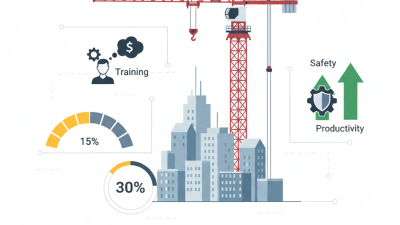
Sustainability is emerging as a key consideration. Energy-efficient models are gaining traction, helping reduce environmental impact. Buyers must reflect on the long-term benefits of these cranes. Cost and efficiency often drive choices, but innovation is reshaping the market. Many buyers might realize too late that initial savings could lead to higher operational costs. Choosing the right luffing crane demands careful thought and analysis.
Comparative Study of Leading Luffing Crane Manufacturers in 2026
In 2026, several leading luffing crane manufacturers are shaping the industry. These models have been designed to enhance efficiency and safety on construction sites. Innovation is evident, with many cranes now incorporating advanced technologies. These technologies include smart controls and automated features that improve accuracy. The competition among manufacturers drives these developments.
When comparing the top models, it’s essential to look at load capacity, height reach, and operational speed. Some cranes excel in tight spaces, making them ideal for urban construction projects. Others have greater lifting capacities suitable for heavy-duty tasks. However, not all models are equal in reliability. Dealer support and maintenance options vary across brands. Users may face challenges in getting timely parts or service.
The choice of crane should align with specific project needs. Some buyers may prioritize cost, while others emphasize safety features or technology. Reflecting on past experiences can help in understanding which models offer the best value. It's crucial to weigh these factors carefully. The luffing crane market continues to evolve, making informed decisions vital for success.
Critical Performance Metrics: Load Capacity and Reach of Luffing Cranes
In the competitive landscape of luffing cranes, load capacity and reach remain vital performance metrics. Luffing cranes typically feature a load capacity ranging from 10 to 80 tons. This variance meets different project needs, from smaller constructions to major urban developments. Recent industry reports highlight that cranes with a higher load capacity often provide better stability. However, balancing load and reach can be challenging.
Reach is another critical factor influencing project planning. Many luffing cranes can extend up to 85 meters horizontally. This capability allows for deployment in tightly confined spaces. Yet, not all models achieve optimal performance in this area. Some designs compromise reach for load capacity, which may limit their versatility.
Construction sites vary, and the wrong choice can lead to operational inefficiencies. Industry data suggests that around 25% of luffing crane failures result from mismatched specifications. Buyers must review performance metrics carefully. Understanding the specific requirements of a project is essential for selecting the right model. The right balance enhances productivity and reduces costs overall.
2026 Top Luffing Crane Models: Load Capacity and Reach
This bar chart displays the load capacity (in tons) and maximum reach (in meters) of various luffing crane models for global buyers to consider in 2026. The data illustrates the performance metrics that are crucial for selecting a crane based on project requirements.
Technological Innovations Shaping the Future of Luffing Cranes in 2026
Technological innovations are crucial for the evolution of luffing cranes in 2026. Notably, advancements in automation are reshaping crane operations. Remote control features allow operators to manage cranes from a distance, enhancing safety and efficiency. This shift reduces human error but raises questions about operator training and reliance on technology.
Electric-powered luffing cranes are adding value to sustainability. They are quieter and more environmentally friendly than traditional diesel models. Battery technology has advanced, providing longer operational hours. Yet, challenges remain in charging infrastructure and battery disposal. Companies must consider these factors when investing in electric models.
Additionally, enhanced data analytics are driving crane performance. Telematics systems collect real-time data, helping operators optimize workflows. This information is valuable, but there is a learning curve. Companies must ensure that their staff can interpret data effectively. Balancing innovation with user capability is essential for maximizing crane potential.
2026 Top Luffing Crane Models for Global Buyers to Consider
| Model Name |
Max Load Capacity (tons) |
Max Height (m) |
Boom Length (m) |
Key Features |
| Model A |
25 |
60 |
30 |
Hydraulic Lift, Remote Control |
| Model B |
30 |
70 |
35 |
Smart Load Monitoring, Compact Design |
| Model C |
40 |
80 |
40 |
Advanced Stability System, Eco-friendly |
| Model D |
35 |
75 |
38 |
Robust Safety Features, Quick Setup |
| Model E |
50 |
85 |
42 |
All-terrain Capability, Enhanced Control |