What Are the Top Tadano Crane Types in 2026?

Choosing the right tadano crane in 2026 requires more than comparing lifting capacities. Jobsite access, ground conditions, transport rules, and operator experience can change the best choice.

Tadano’s all-terrain cranes remain strong options for urban construction, bridge work, and industrial maintenance. Their road mobility and hydraulic versatility help crews move between sites with fewer transport delays. Rough-terrain cranes suit compact projects, uneven ground, and demanding outdoor conditions. Their large tires, compact frames, and precise controls can be valuable around wind farms or remote infrastructure.

Crawler cranes offer impressive stability for heavy lifts and long-duration projects. They can travel across prepared sites while carrying substantial loads, although setup planning remains essential. Truck cranes may appeal to contractors who need practical road travel and efficient deployment. The right model depends on more than maximum tonnage.

Real-world experience shows that published capacity is only one part of the decision. Lift radius, boom configuration, counterweight, wind, and soil strength all affect performance. A crane that looks ideal on paper may struggle beside a narrow road or crowded work zone.

No ranking is perfect.

This guide examines the leading Tadano crane types expected to matter in 2026. It considers operating environments, transport requirements, maintenance access, safety features, and total project value. Manufacturer specifications should always be checked against current regional documentation and site-specific lift plans. That detail matters. Small planning gaps can create costly delays, even when the equipment itself is highly capable.
What Are the Top Tadano Crane Types in 2026?

Tadano All-Terrain Cranes: 300–450-Ton Capacity for Global Projects

What Are the Top Tadano Crane Types in 2026?

Tadano All-Terrain Cranes: 300–450-Ton Capacity for Global Projects

In 2026, 300–450-ton all-terrain cranes remain valuable for demanding global construction projects. Their road mobility reduces transport delays between urban sites, ports, and remote energy facilities. Hydraulic suspension helps them travel across uneven access roads. Once positioned, advanced control systems support precise lifting near buildings, bridges, and process equipment. A 400-ton class crane can handle heavy modules, but its actual capacity depends on radius, boom length, counterweight, and wind conditions. Numbers alone can mislead.

Tips: Check the load chart first. Measure ground bearing capacity. Confirm permits, route limits, and assembly space before delivery.

Experienced lifting teams usually inspect soil, overhead hazards, and underground services before mobilization. Steel plates may protect weak ground, while a longer boom can reduce repositioning. However, longer reach often lowers available capacity. This trade-off deserves careful review. A perfect lifting plan rarely survives the first site visit. Small access changes can create major delays.

Operators should also verify outrigger spread, ballast requirements, communication signals, and weather limits. Digital planning tools improve accuracy, but they do not replace an experienced lift supervisor. For international projects, local terrain knowledge matters as much as crane size.

Tadano Rough-Terrain Cranes: 50–100-Ton Capacity on Uneven Sites

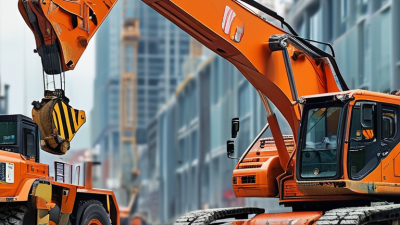
Rough-terrain cranes in the 50–100-ton class are built for jobs where firm, level ground is scarce. Their large tires and four-wheel steering help them cross compacted soil, gravel, and uneven access roads. On site, a 70-ton unit might lift a steel beam beside a road, then reposition without a separate transport vehicle. Still, “rough terrain” does not mean any terrain. Soft shoulders and hidden voids can turn a routine lift into a serious stability problem.

Capacity depends on radius, boom configuration, and ground conditions—not just the number on the machine. A 50-ton crane may lift far less at a long reach; check the load chart and outrigger setup for the exact configuration. The U.S. Census Bureau reported more than $2 trillion in U.S. construction spending in 2024, reflecting the scale of work that relies on mobile equipment. That figure is broad, not crane-specific, but it helps explain demand for flexible lifting on active sites. Before lifting, crews should verify bearing pressure, slope, wind, and clearance. A practical detail is easy to overlook: a small change in setup can change the allowable load. These machines save repositioning time, though their size can make tight sites frustrating.

Tadano Crawler Cranes: Up to 650 Tons for Heavy Industrial Lifts

What Are the Top Tadano Crane Types in 2026?

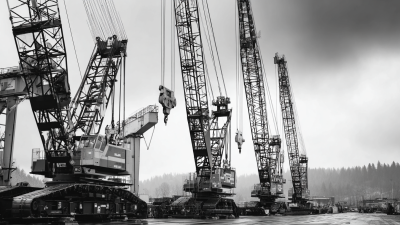
Crawler cranes rated up to 650 tons are built for the heaviest industrial lifting work. Their lattice booms provide reach, stability, and flexible configuration on demanding sites. Large power plants, refineries, bridge projects, and offshore fabrication yards often require this capacity range. The crawler base moves slowly across prepared ground while carrying substantial loads. That mobility can reduce repeated assembly work, although it still demands careful route planning.

In practical lifting operations, the load chart matters more than the headline capacity. A 650-ton rating usually applies to specific boom lengths, radii, counterweights, and ground conditions. At greater reach, the allowable load can drop sharply. Engineers should verify the center of gravity, rigging weight, wind exposure, and underground bearing capacity. Mats may be necessary beneath each crawler track. Small errors become expensive quickly.

I have seen teams focus too heavily on maximum tonnage. That approach is understandable, but incomplete. A crawler crane must match the lift radius, access route, assembly space, and project schedule. Digital planning tools can identify interference points before equipment arrives. Still, field measurements deserve respect. Soil conditions may differ from survey records. A short trial lift can reveal unexpected deflection, rigging movement, or balance changes. These cranes offer remarkable capacity, but disciplined planning remains the real source of lifting reliability.

Tadano Truck Cranes: Road Mobility with 40–80-Ton Lifting Capacity

Truck-mounted cranes in the 40–80-ton range combine lifting strength with practical road mobility. Their carrier chassis can travel between urban sites, industrial yards, and bridge projects without relying on a separate transport unit. That flexibility often saves setup time. It also reduces coordination pressure.

In field use, site access matters as much as rated capacity. A narrow entrance, soft shoulder, or low overhead cable can change the lifting plan quickly. Experienced operators check axle loads, counterweight arrangements, outrigger positions, and ground bearing conditions before deployment. A 50-ton crane may handle a steel beam comfortably, but its actual reach and radius can reduce capacity sharply. Load charts must guide every lift, not rough memory.

These cranes are useful for machinery placement, precast installation, utility maintenance, and commercial construction. Their hydraulic systems support controlled boom movements, while road-ready configurations improve daily mobility. Still, speed can create false confidence. I have seen schedules become unrealistic when traffic restrictions, uneven ground, or repositioning needs were ignored. Small planning errors become expensive. Regular inspections should cover tires, brakes, wire ropes, hydraulic lines, safety devices, and structural connections. Operators also need clear communication with signalers, especially near buildings or active roads. The most suitable model is not always the largest one; it is the crane that matches the load, radius, terrain, and travel requirements without stretching the safety margin.

Truck Crane Lifting Capacity Range

The stated capacity range is 40–80 metric tonnes. Actual lifting capacity depends on factors such as boom length, working radius, and crane configuration.

Comparing Tadano Crane Types by Capacity, Mobility, and EN 13000 Standards

In 2026, mobile crane selection depends on more than maximum lifting capacity.

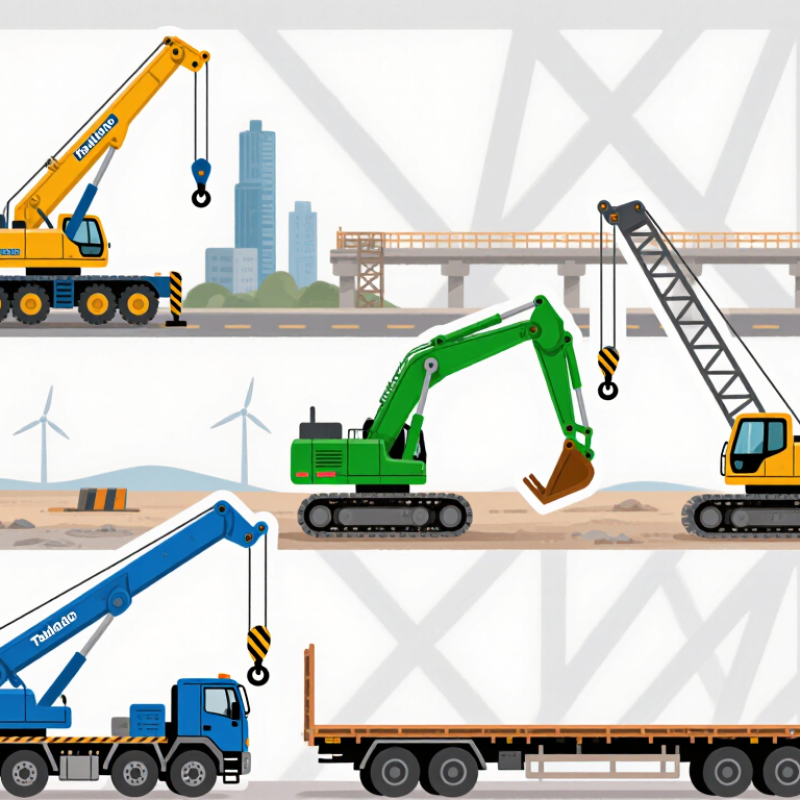
All-terrain cranes suit highway travel and uneven construction sites, combining road speed with strong lifting performance. Rough-terrain cranes work better on compact sites, where large tires and four-wheel steering improve access. Truck-mounted cranes offer practical mobility for frequent urban transport and shorter setup periods.

Capacity figures can mislead.

A crane rated at 100 tonnes may lift far less at a long radius. Load charts, counterweight, boom length, and ground pressure must be checked together.

During a site review, I would measure the access road, turning space, outrigger positions, and soil condition before comparing models. Small details matter.

Crawler cranes provide excellent stability on prepared ground, especially for heavy lifts and extended reach.

However, they usually need transport support because public-road mobility is limited. EN 13000 provides a key reference for mobile crane design, safety functions, stability, documentation, and verification. Compliance supports professional assessment, but it does not replace a lift plan or site-specific inspection.

A certificate cannot correct weak ground. Operators and engineers should confirm rated loads, wind limits, maintenance records, and emergency controls.

I have seen capacity tables receive more attention than ground preparation. That balance deserves reconsideration.