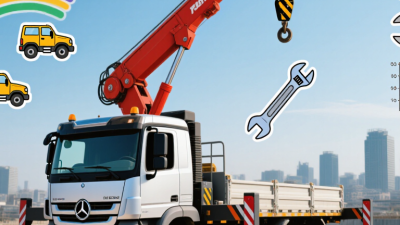
2026 Best Self Erecting Tower Crane for Sale
Choosing the 2026 best self erecting tower crane for sale starts with the site, not the brochure. Plot access, ground capacity, lifting radius, hook height, and the heaviest load before comparing models. A narrow urban lot may reward a compact footprint, while a low-rise project with frequent repositioning may benefit from faster setup. Small details matter. A delivery truck that cannot reach the setup area can erase the crane’s time savings.
Industry reports offer context, but they do not pick a machine for your project. Rider Levett Bucknall’s Crane Index tracks tower-crane numbers across selected cities, providing a snapshot of construction activity rather than a sales forecast. Treat it as a market signal, not proof that one crane type suits every site. For operational planning, the International Labour Organization’s Safety and Health in Construction guidance stresses risk assessment, competent personnel, and safe equipment practices. These priorities belong in any purchasing comparison, alongside capacity charts, setup requirements, service support, and parts availability.
Then ask suppliers for load charts that match your actual working radius, plus clear transport and assembly details. Check how the unit performs on uneven schedules, not just in ideal demonstrations. A crane can look efficient on paper. Real sites are messier. Compare total ownership costs and confirm that maintenance, operator training, and local technical support are available. The best choice is the model that fits documented site conditions, not simply the one with the highest headline capacity. One point deserves a second look: a faster setup does not automatically mean a safer or more productive job.
What Self-Erecting Tower Cranes Are and Where They Fit on Site
2026 Best Self Erecting Tower Crane for Sale
What Self-Erecting Tower Cranes Are and Where They Fit on Site
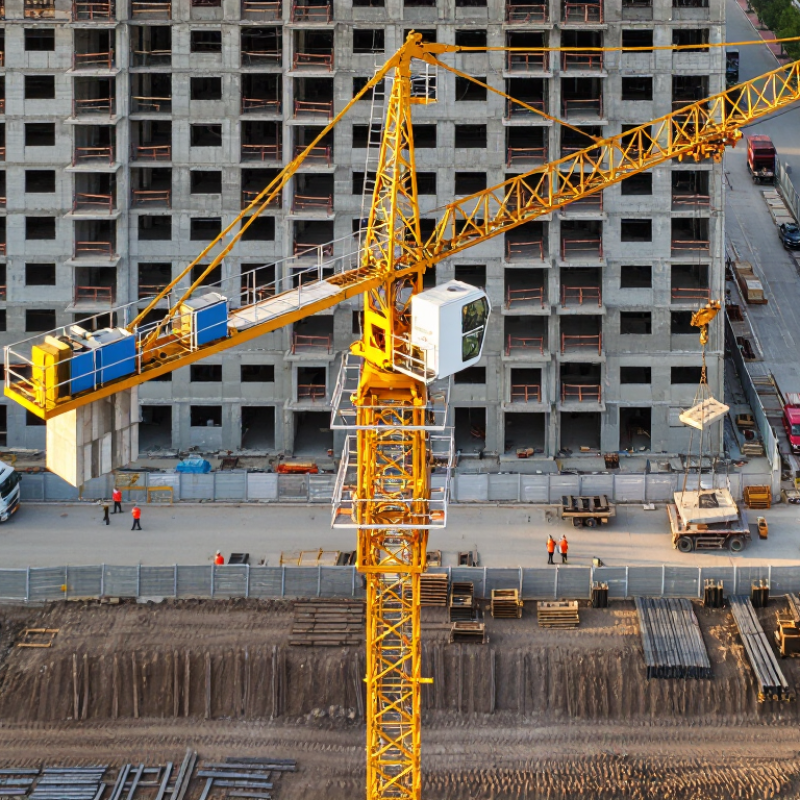
A self-erecting tower crane unfolds its mast and jib using built-in mechanisms, reducing the need for a separate mobile crane during assembly. Its compact setup can suit townhouse projects, low-rise buildings, and tight urban sites where truck access is limited. Small footprint. Useful reach. But it still needs a level, adequately supported base and a clear path for its jib and loads.
Before choosing a crane, map the delivery route, ground conditions, buried utilities, overhead lines, and nearby buildings. Check the required hook height and load chart against real lifts, not just the heaviest item on paper. CPWR’s analysis of U.S. Bureau of Labor Statistics data recorded 297 crane-related construction deaths from 2011 to 2017. That figure covers cranes broadly, not self-erecting models, but it underlines why careful lift planning matters. A tight site can make setup easier and crane movement harder.
Tips: Mark the crane footprint and swing area on the site plan. Confirm ground support with a qualified professional, then compare each planned lift with the crane’s load chart. Allow room for delivery and setup. Small details get missed.
Typical Rated Load Capacity by Crane Type
Self-erecting tower cranes commonly suit smaller sites and lighter lifts, with typical rated capacities around 1–4 tonnes. The ranges shown are indicative industry values, not equipment specifications; actual capacity depends on the crane model, jib radius, and configuration. Always check the manufacturer’s load chart.
How Hydraulic Setup, Mast Sections, and Jibs Enable Self-Erection
A 2026 self erecting tower crane for sale should be assessed by how its setup system fits the actual site. Self-erection depends on coordinated hydraulic movement, not simply pressing a control. Cylinders raise the tower in stages, while the crane’s frame and locking points support each movement. Operators should follow the model-specific sequence and check level ground, supports, and clear space before raising. Small details matter.
Mast sections determine working height and how the tower grows. Some designs add sections during erection; others use a different staged arrangement. Each connection must seat correctly and be secured before lifting continues. A rushed pin check can become a serious problem. The hydraulic system also needs inspection for leaks, damaged hoses, and smooth, controlled movement. Exact procedures vary, so the manufacturer’s instructions and trained personnel remain essential.
Jibs and counterjibs are often designed to fold or unfold in a planned sequence, reducing assembly work at ground level. Their reach and lifting capacity affect which crane suits a project; capacity can change with radius. Check transport dimensions, site access, wind limits, and required ballast before choosing a model. Self-erecting does not mean setup is effortless. That distinction is easy to underestimate. A careful site review may reveal that a smaller crane, or a different jib configuration, is the more practical choice.
Capacity Benchmark: Potain Igo T 85 A—6 t Maximum Load, 45 m Jib
For buyers comparing a self-erecting tower crane for sale in 2026, a 6-tonne maximum load and 45-metre jib provide a useful benchmark. The maximum figure applies only under the conditions shown in the manufacturer’s load chart. It does not mean six tonnes can be lifted at every point along the jib. At greater working radii, permitted loads typically decrease. Check the chart against the actual lift, including the load’s weight, rigging, and planned radius. Small details matter.
A 45-metre jib can cover a broad work area, such as a low-rise site with material storage near one boundary. Yet reach alone does not confirm that the crane suits the project. Ground conditions, available assembly space, wind limits, and the lifting sequence also affect safe use. Self-erecting equipment can reduce setup demands, but the site still needs careful preparation. Measure access routes before delivery; a tight gate can become an expensive surprise. Review the load chart and site plan together with a qualified crane professional. The headline capacity is helpful, not the whole decision.
2026 Self-Erecting Tower Crane Capacity Benchmark
| Specification |
Benchmark figure |
Notes |
| Crane category |
Self-erecting tower crane |
Category stated in the benchmark reference. |
| Maximum rated load |
6 t (6,000 kg; approximately 13,228 lb) |
Maximum load figure; allowable load depends on the crane’s load chart and working configuration. |
| Maximum jib length |
45 m (approximately 147.6 ft) |
Jib length is not the same as the rated load at the jib tip. |
| Rated load at maximum jib reach |
Not specified |
Check the manufacturer’s load chart for capacity at each working radius. |
| Maximum hook height |
Not specified |
Hook height can depend on the crane configuration and site setup. |
Figures shown are limited to the capacity and jib-length details provided in the benchmark reference. Confirm configuration-specific performance in the applicable technical documentation.
2026 Buying Criteria: Load Charts, Reach, Transport, Power, and Cost
For a 2026 self-erecting tower crane, judge the load chart at your actual working radius, not just the headline maximum capacity. Check whether listed capacities account for the selected jib configuration, hook block, and rigging. Maximum reach and maximum load rarely occur together. McKinsey’s 2017 Reinventing Construction report found construction productivity had grown about 1% annually over the preceding two decades, versus 2.8% for the overall economy. That sector-wide comparison is not a crane performance guarantee, but it supports measuring real cycle time and setup labor before buying.
Reach must cover the farthest pick without forcing repeated repositioning. Then verify folded transport dimensions, shipping weight, and access around gates, overhead cables, and soft ground. Confirm available power and connection requirements at the site; a crane that arrives before its power plan is ready can sit idle. Compare purchase price with transport, installation, inspection, maintenance, and expected utilization. I would not treat a low quote as a low-cost option until these items are priced.
Looks good on paper.
Tips: Ask for a load chart matching the proposed configuration and a written transport plan. Measure the narrowest access point yourself. Check the ground where the crane will stand, not only the delivery route. Keep a small allowance for setup delays; real sites are rarely as tidy as drawings.
Safety Checks: OSHA 1926.1412 Requires Monthly Documented Inspections
For a self-erecting tower crane, monthly inspection is more than a calendar reminder. Where OSHA 1926.1412 applies, a qualified person must inspect the equipment at least monthly, and the employer must document the inspection. Keep the record with the crane’s identifying details, inspection date, items checked, and findings. OSHA requires monthly inspection documentation to be retained for at least three months. Keep it accessible on site; a record that nobody can locate is of little use.
Look closely at hooks and latches, wire ropes, controls, safety devices, and hydraulic or electrical systems. Check the mast connections and visible fasteners for movement, damage, or corrosion. Small details matter. A worn cable or a sticking limit device may be easy to miss during a rushed walk-around.
If a defect affects safe operation, follow OSHA’s requirements for taking the equipment out of service until it is corrected. Monthly checks do not replace inspections required before or during use. The paperwork can feel repetitive, and a checked box alone proves little; clear findings and timely repairs make the inspection useful.