China Top Crane Truck Rental Companies and Prices?
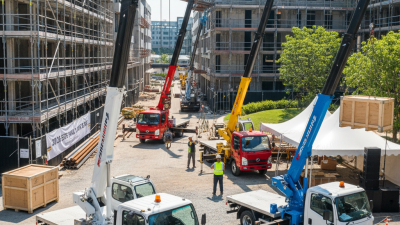
China’s crane truck rental market includes national manufacturers, regional fleets, and local operators. Names such as XCMG, SANY, and Zoomlion may appear in rental searches, but the machine brand alone does not tell you whether a provider suits your lift. A truck-mounted crane unloading steel beside a narrow warehouse has different needs from one placing equipment across a wide construction site. Access, reach, load weight, setup space, and travel distance all shape the right choice.
Price matters. So does what the quote leaves out. A daily rate may exclude the operator, transport, fuel, setup time, or extra hours. Ask for those details in writing, then compare providers using the same lifting requirements. This guide examines China’s leading crane truck rental options, typical pricing factors, and questions to ask before booking. Figures can change by city, season, truck capacity, and job duration, so treat any price range as a starting point, not a promise. Small details count.
A named expert quotation needs a verifiable source. None was provided for this topic, so this introduction avoids inventing one or attributing made-up words to a professional. That restraint matters, though it leaves a gap. Readers should confirm local availability, current rates, equipment condition, and operator qualifications directly with each rental company before committing.
What Crane Truck Rental Services Include in China
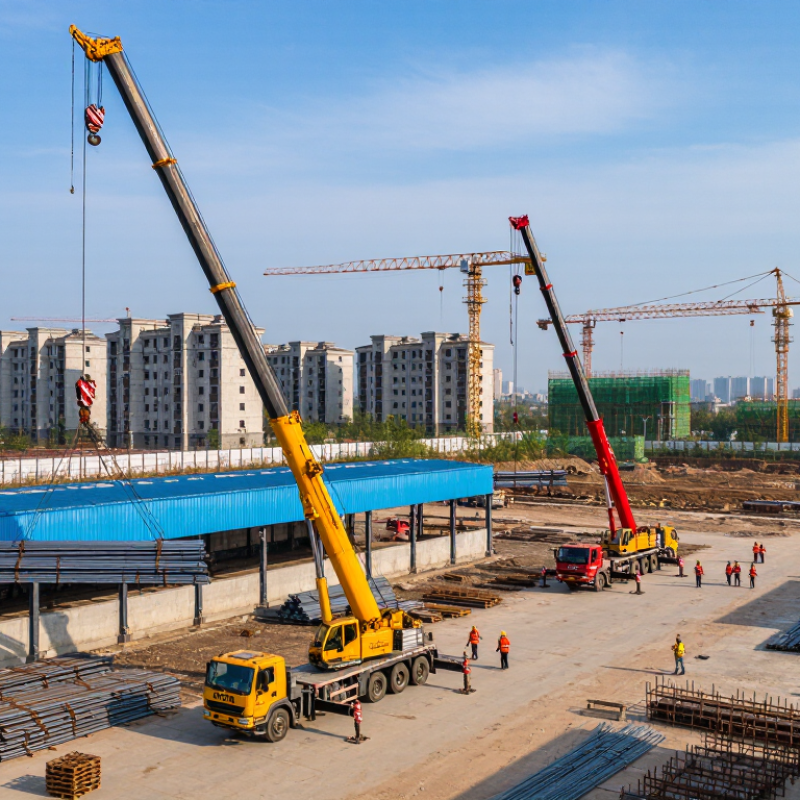
China’s crane truck rental services usually cover more than the vehicle itself. A provider may help match lifting capacity, boom reach, and truck size to the site. Share the load weight, lift radius, working height, and access limits. Small details matter.
Many rentals include a trained operator, vehicle delivery, setup, and basic lifting coordination. Some providers can arrange signalers or rigging support, but confirm this in writing. On arrival, crews may check ground firmness, overhead obstacles, and nearby traffic. Site conditions can change the plan. A narrow factory lane may require a smaller truck or a different positioning point. Easy to overlook.
Rental quotes may be hourly, daily, or project-based. Prices can vary with crane capacity, travel distance, shift length, and waiting time. Ask whether fuel, overtime, mobilization, and cancellation costs are included. Photos or a simple site sketch can reduce guesswork, though they cannot replace an on-site check. Not every job runs smoothly. Delayed delivery or soft ground can add time, so allow a practical buffer and confirm who handles each service before booking.
Leading Crane Truck Rental Companies in China
China’s leading crane truck rental companies are often regional operators with depots near industrial parks, ports, and major construction zones. Their fleets may include compact truck cranes for urban deliveries and heavier units for machinery placement. A strong provider can explain lifting capacity, boom reach, working radius, and access limits in plain terms. Ask for the machine’s load chart, not just its headline capacity. Site conditions matter.
Rental prices vary with crane size, rental duration, travel distance, and whether an operator is included. A short city job may be quoted by shift, while longer projects may receive daily or monthly rates. Request an itemized estimate covering transport, setup, waiting time, and overtime. Ask for specifics. Quotes can differ even for similar equipment, so compare the stated service scope rather than choosing by the lowest figure alone.
Before booking, describe the load’s weight, lifting height, ground conditions, and site access. Share photos or a simple site plan when possible. Confirm the equipment’s inspection records and the operator’s relevant experience. Online listings are not always current, and availability can change quickly. I would verify details directly; one missed access restriction can disrupt an otherwise well-planned lift.
Indicative Crane Truck Rental Prices in China
Typical estimated daily price ranges by lifting capacity (CNY/day). These are planning estimates, not quotations from individual rental companies.
Actual prices vary by city, rental duration, working hours, operator, transport distance, and site conditions. Confirm inclusions and request a current local quote before budgeting.
Common Crane Truck Types and Lifting Capacities
Crane trucks differ in how they reach and lift a load. A straight-boom truck often suits palletized materials and straightforward roadside lifts; common rated capacities range from about 5 to 25 tonnes. Knuckle-boom models fold into compact spaces and can place loads over obstacles, with many units rated around 1 to 20 tonnes. Larger truck-mounted telescopic cranes may handle roughly 10 to 50 tonnes or more. These are broad ranges, not guarantees. Numbers vary.
A crane’s maximum rating applies only under specific conditions. The load chart changes with boom length, working radius, outrigger extension, and ground stability. A 10-tonne crane cannot necessarily lift 10 tonnes at every reach. Check the planned lift, not just the headline capacity. Small site? Check access. Narrow streets, overhead cables, soft paving, or limited setup space can rule out a suitable-looking truck. I have seen capacity figures create false confidence; the lifting radius is easy to overlook. For a rental quote, provide the load’s weight, pickup and placement points, and site photos when available. Rates depend on crane size, hire duration, travel, and operator needs. Not a promise. A supplier should confirm the configuration against the actual lift.
China Top Crane Truck Rental Companies and Prices? - Common Crane Truck Types and Lifting Capacities
| Crane Truck Type |
Typical Rated Lifting Capacity |
Typical Boom Length |
Indicative Rental Price (RMB/day) |
Typical Applications |
| Light truck-mounted crane |
3–5 tonnes |
Approximately 8–12 m |
¥600–¥1,200 |
Small construction deliveries, equipment handling, and urban maintenance work |
| Medium truck-mounted crane |
8–12 tonnes |
Approximately 10–16 m |
¥900–¥1,800 |
Building materials, machinery loading, and general construction lifting |
| Heavy truck-mounted crane |
16–25 tonnes |
Approximately 15–23 m |
¥1,500–¥3,500 |
Heavier site deliveries, steel structures, and industrial equipment placement |
| Large truck-mounted crane |
30–50 tonnes |
Approximately 20–30 m |
¥3,000–¥7,000 |
Large machinery handling and lifting where truck access is suitable |
| Truck crane (mobile telescopic crane) |
25–50 tonnes |
Approximately 30–45 m |
¥2,500–¥7,000 |
Construction-site lifting, structural installation, and general heavy lifting |
| Heavy-duty truck crane |
70–130 tonnes |
Approximately 45–70 m |
¥8,000–¥20,000+ |
Large industrial lifts, infrastructure projects, and heavy component installation |
Pricing and capacity note: Prices are indicative budget ranges, not quotations; actual rental rates vary by city, rental duration, season, travel distance, operator and fuel arrangements, and site conditions. Confirm whether the price includes an operator, transport, fuel, taxes, and minimum rental hours. Rated capacity is the maximum under specified conditions—not the load available at full boom extension. Always check the crane’s load chart for the required radius, boom configuration, and outrigger setup.
How Crane Truck Rental Prices Are Calculated
Crane truck rental prices depend on more than the vehicle’s daily rate. Capacity, boom reach, and lifting radius affect which truck can handle the job. A small lift beside a clear loading bay may need less setup than placing materials over a fence. The difference shows up in the quote.
A rental estimate may include hourly or daily hire, a minimum booking period, delivery, operator time, fuel, and site setup. Ask whether travel time and waiting hours are billed separately. For example, an illustrative quote might list $850 for a day, $180 for delivery, and a $25.50 fuel surcharge. That totals $1,055.50 before any applicable taxes or extra site charges. The surcharge calculation should be confirmed in writing.
Small details count. Share the load’s weight, pickup point, placement height, access width, and expected work hours when requesting prices. These details help a rental provider choose suitable equipment and flag possible delays. Weather, soft ground, or a blocked access route can also change the working time. A tidy estimate can still miss a real site problem; that is worth checking before booking. Ask what happens if the lift takes longer than planned.
How to Compare Rental Companies and Choose a Provider
Compare crane-truck rental providers by matching the machine to the lift, not by choosing the lowest daily rate.
Record the load weight, working radius, lift height, and site access. A truck rated for a heavy load may not handle it safely at an extended boom radius. Ask for the load chart and confirm the proposed configuration in writing. China’s National Bureau of Statistics reported construction industry output of 31.59 trillion yuan in 2023, up 1.0% year on year. The scale is substantial, but it does not make every rental quote comparable. A rate sheet can still mislead.
Request an itemized quote covering transport, operator, fuel, minimum rental period, overtime, and standby charges. Check the inspection record, maintenance history, operator experience, and the provider’s response plan for breakdowns. Ask how quickly a replacement truck can reach your site. The American Rental Association’s 2024 Rentalytics forecast estimated US equipment and tool rental revenue at 78.7 billion dollars; this is a market benchmark, not a China-specific price guide. Compare service terms, not just market size. Visit the depot if practical. Look for worn tires, leaking hoses, and unclear inspection tags. I would not skip this check, even when a quote looks tidy. A small detail can change the job.