How to Choose the Best Crane Rentals for Your Project?

A crane can turn a difficult lift into a controlled, efficient part of a project. The wrong machine, however, can create delays before the first load leaves the ground. Choosing crane rentals takes more than comparing hourly prices. You need to match the crane’s capacity and reach to the load, lifting radius, site layout, and work schedule. A steel beam may look manageable on paper, yet its weight, shape, and position can change the lift plan. Small details matter. A narrow access road, soft ground, overhead obstructions, or limited setup space can rule out an otherwise suitable crane.

Start with accurate project information and discuss the lift with an experienced rental provider. Share load weights, lift heights, site drawings, expected rental duration, and any access limits. Ask what transport, setup, operator services, and equipment are included in the quote. Confirm how the provider evaluates ground conditions, weather limits, and the site’s safety requirements. These questions help reveal costs and constraints that a basic rate comparison can miss. The cheapest option is not always the best value. Still, early estimates can be wrong when plans change or site measurements are incomplete. Recheck them.

This guide explains how to compare crane types, assess rental companies, and review practical costs before booking. It also highlights the questions worth asking before equipment arrives. A careful choice can protect the schedule and help the crew work with greater confidence. There is no perfect shortcut; good planning begins with honest measurements and clear communication.
How to Choose the Best Crane Rentals for Your Project?

Define Project Requirements and Site Conditions

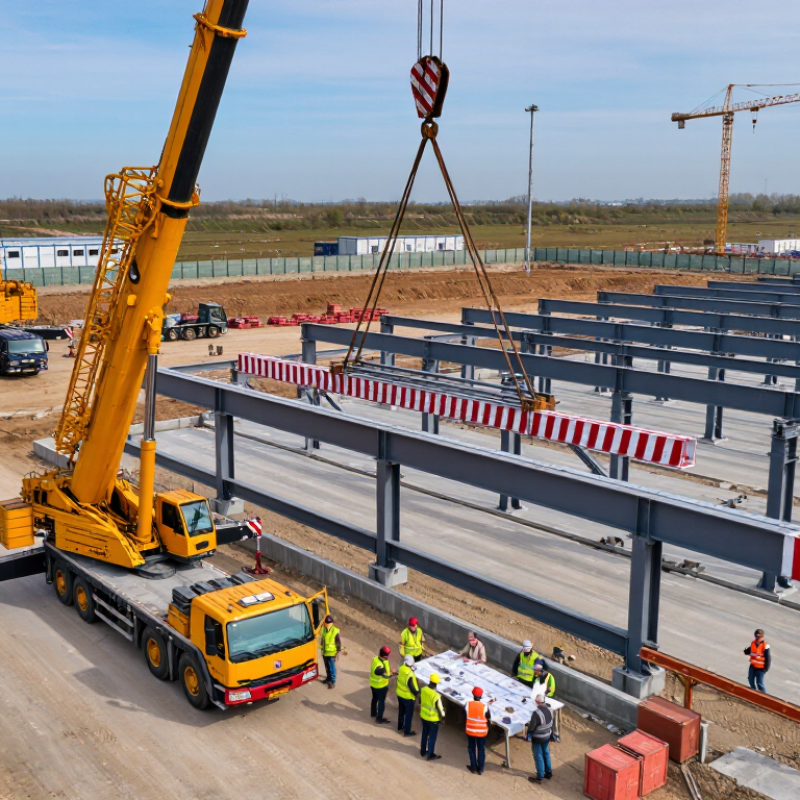
Before requesting crane rental quotes, define the lift in measurable terms. Record the heaviest load, including rigging, and note its dimensions, pickup point, landing point, and required radius. Specify hook height and whether the lift needs repeated moves or a tight placement window. Small details matter. A machine’s rated capacity alone does not show whether it can handle your load at the required reach. Share drawings, equipment data, and schedule constraints with the rental team; missing details can lead to an unsuitable configuration or costly changes on delivery day.

Walk the site, not just the plan. Check ground firmness, slope, drainage, and any buried services near outrigger positions. Measure gate widths, turning space, overhead clearance, and distance from power lines. Photograph soft shoulders, paving edges, and obstacles that a crane must pass. Do not guess. Ask how the proposed setup distributes load and what ground support it requires; confirm the site can provide it. Weather can alter access and soil conditions, even when the lift itself seems routine. A quick assessment can miss a weak patch. Recheck after excavation, rain, or equipment delivery, and flag uncertainties early rather than treating an estimate as a verified site condition.

Match Crane Type and Capacity to the Required Lifts

Choosing a crane starts with the lift, not the largest capacity listed in a rental brochure. Identify the heaviest load, its dimensions, and where it must land. Then measure the working radius from the crane’s center of rotation to the load. A compact mobile crane may suit a paved, open site. Soft ground, tight access, or uneven terrain can point to a different machine. Small details matter.

Rated capacity changes with radius, boom length, boom angle, and setup. A crane marked for a certain maximum load may lift much less at the far edge of its reach. Include rigging, spreader beams, and other lifting gear in the total load. Check the load chart for the exact configuration, rather than relying on a single capacity figure. For example, a load that clears the ground beside a building may exceed capacity when swung over a longer radius. That difference is easy to overlook.

Before booking, share site measurements, lift height, access limits, and ground conditions with the rental provider or lift planner. Ask how the proposed setup handles the heaviest lift, including outrigger placement and required mats. Verify the plan with qualified personnel. Plans change. I would leave room for that, because a late delivery or an unexpected obstacle can alter the working radius and the crane choice.

How to Choose the Best Crane Rentals for Your Project?

Match crane type and capacity to the required lifts. The chart shows approximate typical rated-capacity ranges in U.S. short tons.

Capacity ranges vary by model and configuration. A crane’s allowable lift also depends on factors such as lift radius, boom length, rigging, and ground conditions. Check the manufacturer’s load chart and have a qualified professional verify the lift plan.

Assess Rental Providers and Equipment Condition

A dependable crane rental starts with the provider, not the quoted rate. Ask how the company matches crane capacity to load weight, reach, ground conditions, and site access. Request operator and maintenance records, plus a clear plan for breakdowns and replacement equipment. Ask for records. The American Rental Association’s 2024 forecast put U.S. equipment and tool rental revenue at about $78.2 billion. That figure shows a large, varied market; it does not prove that any one provider maintains equipment well.

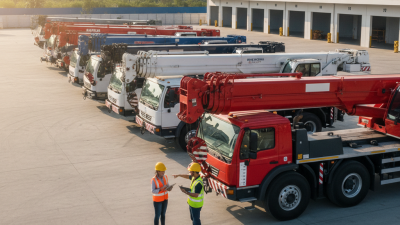
Inspect the crane before accepting delivery. Check tires or tracks, wire ropes, hooks, hydraulic hoses, safety devices, and the load chart. Look closely. OSHA’s construction-crane standard calls for inspections before each shift, documented monthly inspections, and annual comprehensive inspections. Ask to see the latest records and confirm that reported defects were corrected. A polished cab is not evidence of sound machinery. I would also ask who performs repairs and how quickly the provider can respond if an alarm appears mid-shift. The answer may sound reassuring, but dates and written records matter more. One detail I sometimes overlook is the fit between the crane and the ground; request the required outrigger setup and site information before delivery. A careful provider should welcome these questions, not rush past them.

How to Choose the Best Crane Rentals for Your Project? - Assess Rental Providers and Equipment Condition
Example comparison for planning purposes. Rental rates and availability vary by location, project conditions, rental term, and included services; confirm current pricing and documentation with each provider.

Rental option Crane type and rated capacity Typical fit Condition evidence to request Availability and logistics Indicative rental rate (USD) Assessment
Option 1
Local equipment yard
Rough-terrain crane
50 US tons (about 45 metric tonnes)
Compact construction sites with uneven ground and moderate lifting needs. Request the latest inspection record, maintenance history, load-chart documentation, and confirmation that tires, wire ropes, and safety devices have been checked. Potentially quick local delivery; confirm permitted travel route, setup area, and whether a qualified operator is included. About $1,500–$3,500 per day, before delivery and operator costs. Good candidate for short-duration work if the capacity chart covers the required radius and site conditions.
Option 2
Regional lifting provider
All-terrain crane
100 US tons (about 91 metric tonnes)
Projects requiring road travel between locations, greater reach, or work on prepared ground. Check current inspection and maintenance records, outrigger and hydraulic condition, safety-system tests, and the correct load chart for the planned configuration. Ask for a site survey, mobilization schedule, outrigger-mat requirements, and confirmation of road permits and escort needs where applicable. About $2,500–$6,000 per day, before mobilization and operator costs. A flexible choice when access and transport matter; compare total mobilization costs, not just the daily rate.
Option 3
Heavy-lift rental service
Crawler crane
250 US tons (about 227 metric tonnes)
Heavy lifts on larger sites where tracked mobility and a planned assembly area are suitable. Review inspection reports, track and boom condition, wire-rope records, assembly procedures, and documentation for the chosen boom and counterweight configuration. Requires transport, assembly time, and adequate ground-bearing capacity; request a lift plan and schedule for delivery and dismantling. About $5,000–$12,000 per day; transport, assembly, and crew may be additional. Best considered for engineered heavy lifts; verify ground conditions and the complete lift configuration before booking.
Option 4
Urban-access rental service
Truck-mounted crane
30 US tons (about 27 metric tonnes)
Short lifts near roads or buildings where setup space is limited and the load is within chart limits. Ask for inspection and maintenance records, boom and hydraulic checks, safety-device test results, and the load chart for the exact setup. May be easier to mobilize than larger cranes; check road access, parking restrictions, permits, and required traffic control. About $1,000–$2,500 per day, before operator, permits, and traffic-control costs. Potentially cost-effective for smaller lifts, provided the required reach and capacity are confirmed on the load chart.

Before booking: Provide the load weight, lift radius, required hook height, site access details, ground conditions, and work schedule. Verify that the crane’s load chart supports the planned configuration, and agree in writing on operator qualifications, insurance, delivery, setup, fuel, overtime, and cancellation terms.

Compare Rental Costs, Terms, and Support Services

Crane rental quotes can look similar until the extra charges appear. Compare the complete shift cost, including delivery, setup, operator, rigging, fuel, standby time, and overtime. Ask whether the minimum hire is four hours, one shift, or a full day. Small detail. Big bill. Check cancellation terms, weather delays, and who pays if site access is blocked. The American Rental Association’s 2024 industry forecast projected U.S. equipment and event rental revenue of $78.2 billion. That figure describes a broad market, not local crane availability, so request a written quote for your exact location and lift.

Support can matter as much as price. The Associated General Contractors of America’s 2024 workforce survey found that 94% of firms had difficulty filling craft positions, while 54% reported project delays linked to labor shortages. Ask whether the rental includes a qualified operator, lift-planning assistance, a site visit, and after-hours dispatch. Confirm response times if the crane develops a fault, and whether a replacement unit is available. Read the contract’s limits on support; “24-hour service” may not mean a technician arrives immediately. A spreadsheet can still miss a muddy access road. Share site photos and load details before booking, then compare the same scope across quotes.

Coordinate Crane Delivery, Setup, and Safe Operation

Crane delivery should fit the site, not just the schedule. Confirm the arrival time, truck route, gate width, turning space, and unloading area with the rental provider. A delivery truck may need more room than the crane itself. Walk the route and check for soft shoulders, low branches, overhead lines, and parked vehicles. Small obstacles can cause big delays.

Before setup, identify underground utilities and confirm that the ground can support the crane and its load. Share site drawings and planned lift details with the provider, then agree on a level setup area and outrigger placement. Conditions change. Recheck the ground after rain or excavation, even if the plan looked solid yesterday. A qualified operator should review the lift plan, load weight, radius, and nearby hazards before work begins. Keep workers outside the swing area, and use clear signals or radios so the operator receives one consistent set of instructions. If visibility drops or wind rises, pause and reassess rather than rushing to keep the schedule. That pause can feel frustrating. Still, it is often the most useful part of the day.