Choosing a small crane truck rental is not just a matter of comparing daily rates. The right truck must reach the work area, lift the load safely, and fit the site’s access limits. A narrow driveway, soft ground, or overhead cables can change which machine is suitable. Small details matter.
The American Rental Association’s 2024 forecast estimated U.S. equipment-rental revenue at about $78.6 billion. That figure describes the wider rental industry, not small crane truck rentals alone. It still shows why customers should compare equipment, service, and availability—not price in isolation. Before requesting a quote, note the load’s weight, lift radius, required height, and setup space. Ask whether the rental includes an operator, delivery, and a site assessment. Then confirm the truck’s capacity at the actual working radius; maximum capacity figures can be misleading without that context.
Crane-industry trainer Mike Parnell is a relevant expert to consult on lift planning. I could not verify a verbatim statement from him about small crane truck rentals, so I won’t invent a quotation. That gap matters. A reliable rental decision should rest on documented specifications and clear advice, not a memorable line without a source. This guide explains what to check, what to ask, and where a low quote may leave important questions unanswered.
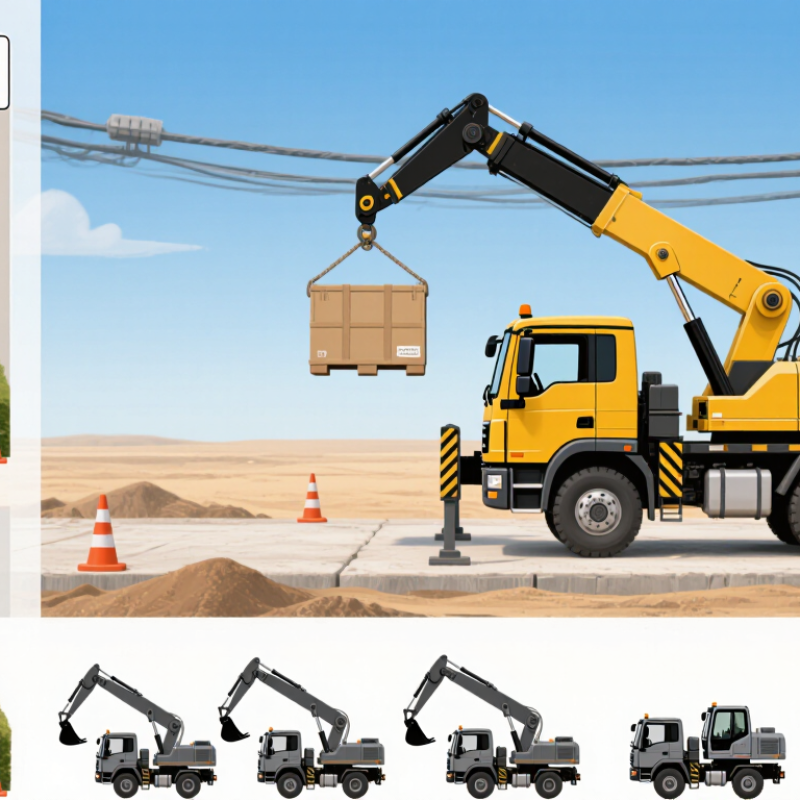
Begin with the load, not the truck. Record its verified weight, dimensions, and lifting points, then include slings, spreader bars, and other rigging in the total. An uneven or off-center load may behave differently from a compact, balanced one. Small differences matter. Photos and a sketch can help the rental coordinator identify access issues before delivery.
Describe the lift itself: how high the load must rise, how far the crane must reach, and where the truck can safely stand. Crane capacity decreases as reach increases, so the load chart must match the planned setup. Mention nearby walls, wires, trees, and other obstacles. Check the ground, too. Soft shoulders, slopes, or buried utilities can complicate stabilizer placement. Keep the truck level.
Transport requirements count as well. Share the pickup and drop-off locations, narrow gates, low branches, steep driveways, and likely turning points. Measure clearance at the tightest spots, not just the main entrance. A truck that can lift the load may still be unable to reach the work area. Estimates can miss awkward details; flag uncertain weights or access measurements and ask the rental provider to review them before booking.
Small crane trucks vary in reach, lifting capacity, and how easily they fit into tight sites. A pickup-mounted unit can suit light deliveries on paved streets. Compact articulated cranes offer more flexibility around walls, but their reach depends on the boom position. Mini crawler cranes may work better on soft ground, though they usually need separate transport. Check the load chart at the exact working radius, not just the headline lifting capacity. A pallet that weighs less than the stated maximum can still exceed the limit when lifted far from the truck. Small details matter.
Rental terms also change the real cost. A dry rental supplies the truck without an operator; choose it only if your crew is trained and approved to operate that equipment. A wet rental includes an operator, which can help with unfamiliar lifts or narrow access. Ask whether the quote covers delivery, setup, fuel, minimum hours, and standby time. Not always obvious. Before booking, measure gate width, overhead clearance, and ground slope, then describe the lift in plain detail. A common planning mistake is choosing by day rate alone. I’d compare the full job cost, because a cheaper truck with insufficient reach may require another rental day. Check cancellation terms too, especially when weather or site access could change.
A small crane truck can look capable while still falling short of a specific lift. Check the load’s actual weight, including slings, hooks, and other attachments. Then compare it with the load chart for the planned boom length and working radius. Capacity often drops as the boom extends. A truck’s headline maximum is not the capacity at every position.
Measure twice. Note how high the load must travel and how far it sits from the truck. A pallet beside the curb may need less reach than one placed over a wall. It is tempting to round the load weight down; that shortcut deserves a second look. Ask the rental provider to confirm the setup against the load chart.
Site access matters just as much. Measure gates, driveway width, overhead clearance, and turning space; check for soft ground where stabilizers will rest. Leave room. Stabilizers may need a wider footprint than expected, and a narrow lane can prevent safe positioning. Identify overhead obstructions and keep people clear of the lifting area. If the ground is uneven or the load could swing, discuss the conditions with a qualified operator before booking. Small details are easy to miss, even with careful planning.
A small crane truck can seem affordable until delivery, mileage, fuel, and minimum-hour charges appear. Ask for an itemized quote, including setup time and any fees for waiting on site. Compare the total cost for your actual schedule, not just the advertised daily rate. A truck booked for one shift may cost more if traffic delays unloading. Small details matter. Check whether the rental includes required lifting accessories, such as suitable slings, or charges separately for them. A clear written estimate makes surprises less likely, though estimates can still change when site conditions differ.
Review the insurance terms before booking. Confirm what the rental provider covers, what remains your responsibility, and whether damage to the load or nearby property is excluded. Ask about the deductible and how incidents must be reported. Do not assume your own business policy automatically covers rented lifting equipment. Operator qualifications deserve the same attention. Ask for evidence of relevant training, recent experience with comparable loads, and familiarity with the truck’s controls. Share the load weight, lift height, and access limits in advance; a narrow driveway or soft ground can change the plan. If the operator cannot explain how these details affect setup, pause and get clearer answers. It can feel awkward to ask again, but guessing is worse.
Before booking, ask for the truck’s current inspection and maintenance records, not just its advertised lifting capacity. Look for tire damage, hydraulic leaks, cracked hoses, loose fittings, and warning lights during a walk-around. Small details matter. Ask how recently the hoist, winch, and outriggers were checked, and request a clear explanation of any reported defect. Confirm that the load chart matches the truck configuration you will receive; boom extensions and setup can change safe capacity. If possible, inspect the actual vehicle before paying. Photos can hide wear.
Then describe the lift, not only the delivery address. Give the estimated load weight, lifting radius, pick-up and set-down points, and whether rigging adds weight. Measure driveway width, overhead clearance, turning space, and ground firmness where outriggers will sit. Measure twice. A rough site sketch helps, but it is not a survey; revise it after checking with the site lead. Ask who supplies outrigger pads, who directs the lift, and what happens if access or weather changes. Do not guess. A cautious plan may feel slower. It usually costs less than discovering on arrival that the truck cannot reach or stabilize safely.