Top 10 Portable Tower Cranes for Global Buyers

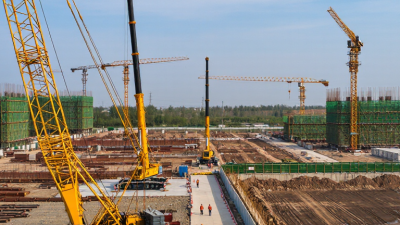
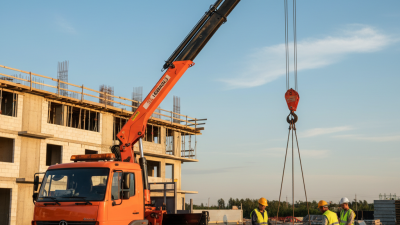
Portable tower cranes are changing how contractors approach constrained urban projects. They combine tower-crane reach with transportable equipment, often fitting sites where fixed installations are impractical. A compact unit can arrive on a trailer, unfold beside a six-storey building, and begin lifting steel or façade panels within hours.

Market evidence supports this growing interest. Fortune Business Insights valued the global tower crane market at approximately USD 7.37 billion in 2023. Its forecast expects continued expansion through 2032, driven by urban construction and infrastructure investment. ResearchAndMarkets also identifies modularity, faster setup, and rental demand as important equipment trends. These figures describe the wider tower-crane sector, not portable models alone. That distinction matters.

Alex Dahm, an experienced crane-industry journalist and editor at KHL Group, often emphasizes practical selection factors: “It comes down to access, capacity, and control.” That principle guides this list of the top 10 portable tower crane options for global buyers. Each model deserves scrutiny beyond headline lifting capacity. Buyers should examine transport dimensions, maximum radius, foundation requirements, wind limits, power supply, operator visibility, and local service coverage. A crane that fits a brochure may not fit a narrow street.

Real projects are less tidy. Ground conditions change. Delivery routes become blocked. Rental support may be weaker than expected. This ranking therefore considers technical performance, setup efficiency, safety documentation, manufacturer credibility, and field usability. It is not a perfect formula. Regional regulations, currency changes, and incomplete public specifications can affect the final choice. Careful verification remains essential before purchase or deployment.
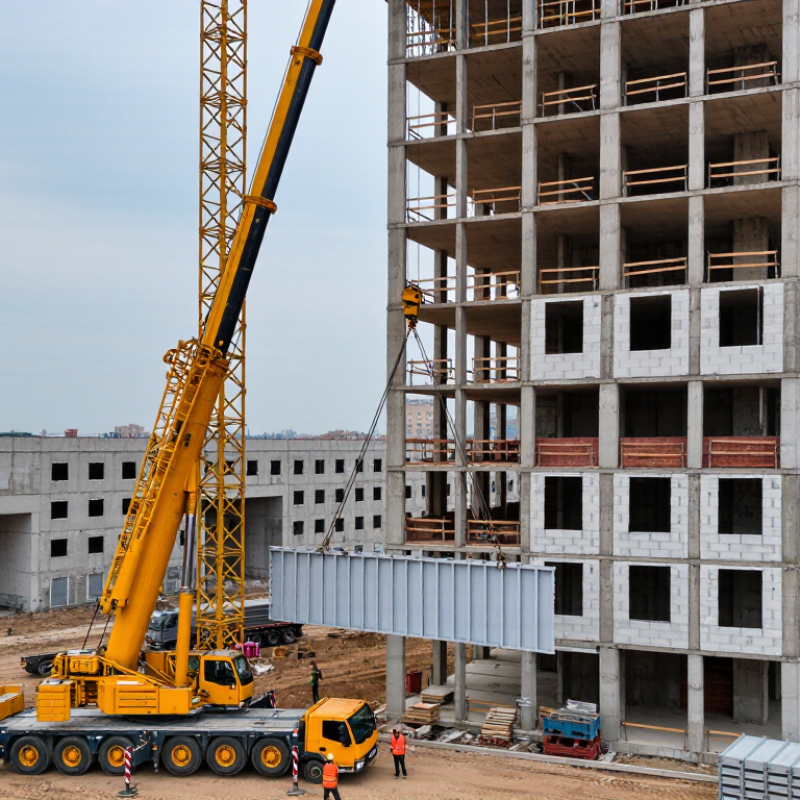
Top 10 Portable Tower Cranes for Global Buyers

Portable Tower Cranes: Definition, Structure, and Operating Principles

Portable tower cranes are compact lifting machines built for projects where a full-size tower crane is impractical. They can travel between sites on a trailer or fold into a smaller transport position. Their typical structure includes a base frame, mast sections, slewing unit, horizontal jib, trolley, hook block, and counterweights. Some models use hydraulic cylinders for self-erection. Others require auxiliary lifting equipment.

The operating principle is straightforward but not forgiving. A level base transfers forces into the ground. Stabilizers or support frames help control movement during assembly and lifting. The slewing unit rotates the upper structure, while the trolley changes the hook’s working radius along the jib. Increasing the radius usually reduces the permitted load. Operators must read the load chart, not guess from the hook’s appearance.

Before lifting, a competent person should inspect pins, ropes, brakes, electrical systems, ballast, and ground conditions. Wind speed deserves constant attention, especially with long loads or open sites. A tidy setup can still hide weak soil beneath one support. That detail is easy to miss. Practical planning should include exclusion zones, clear communication, and routine checks after relocation. The process may appear simple, but small setup errors can affect stability, load control, and service life.

Key Specifications for Evaluating the Top 10 Portable Tower Cranes

Top 10 Portable Tower Cranes for Global Buyers

Key Specifications for Evaluating the Top 10 Portable Tower Cranes

Comparing portable tower cranes requires more than maximum lifting capacity. Check the rated load at the jib tip, not only the headline load. A crane rated for 8 tonnes near the mast may lift less than 1 tonne at full reach. ISO 4301-1 supports comparing duty classifications, while EN 14439 addresses tower-crane safety and design requirements. These references make specifications easier to verify.

Transport dimensions matter on real projects. Record folded height, axle load, trailer length, and setup space. A compact crane may still need a wide access road. Maximum free-standing height, telescoping height, jib length, and erection time should appear in one technical sheet. Ask for measured setup times under normal site conditions. Marketing estimates can be optimistic.

Wind data deserves careful attention. Compare operating wind limits, out-of-service wind limits, anemometer functions, and automatic parking systems. ISO 12480-1 emphasizes controlled lifting operations and competent planning. Power requirements also affect global use. Check voltage, generator demand, battery runtime, and emergency lowering capacity. The 2024 KPMG Global Construction Survey highlights recurring schedule and cost pressure in complex projects. Faster setup helps, but only when stability remains proven. I would question any comparison lacking foundation loads, ballast details, or maintenance intervals. Small omissions matter.

Top 10 Portable Tower Cranes Compared by Capacity, Reach, and Mobility

Portable tower cranes differ sharply in lifting capacity, working reach, and transport effort. In a practical comparison of ten leading configurations, compact units usually lift 1–3 tonnes and reach 20–35 metres. They suit residential sites, narrow streets, and short installation cycles. Mid-range machines handle about 4–8 tonnes, with jib lengths near 40–55 metres. These cranes offer a useful balance for warehouses, schools, and small commercial structures.

The largest portable tower cranes can lift 10 tonnes or more near the mast, although capacity drops at maximum radius. That detail matters. A crane rated for 10 tonnes may lift only 2 tonnes at a 50-metre reach. Operators should study the load chart, not the headline figure. Folding or self-erecting designs improve mobility, often travelling on a trailer or between sites with limited dismantling. Still, access roads, ground pressure, setup space, and transport permits can change the real advantage.

Field experience shows that mobility is not simply about road speed. A lighter crane may arrive quickly but require more repositioning. A heavier unit may reach farther and reduce relocations, yet demand stronger ground preparation. Wind exposure also affects usable reach. These comparisons are helpful, but not perfect. Site conditions can overturn the ranking. Buyers should verify rated capacity, hook height, turning radius, assembly time, maintenance records, and operator visibility before selecting equipment.

Top 10 Portable Tower Cranes for Global Buyers Top 10 Portable Tower Cranes Compared by Capacity, Reach, and Mobility
Rank Portable Crane Class Maximum Capacity Capacity at Maximum Reach Maximum Jib Reach Maximum Hook Height Transport Format Typical Setup Time Mobility Profile Typical Power Arrangement
1 Compact self-erecting tower 1,000 kg 250 kg 14 m 18 m Single road-towable trailer 20–30 minutes Highest site mobility Electric motor or compact diesel generator
2 Light-duty self-erecting tower 1,500 kg 400 kg 25 m 23 m Single road-towable trailer 30–45 minutes High site mobility Three-phase electric supply or generator
3 Compact telescopic tower 2,000 kg 600 kg 28 m 27 m Road trailer with hydraulic erection 35–50 minutes High site mobility Electric hydraulic system or generator
4 Medium self-erecting tower 2,500 kg 700 kg 30 m 30 m Single trailer; outriggers required 45–60 minutes High site mobility Three-phase electric supply
5 Heavy self-erecting tower 3,000 kg 900 kg 32 m 35 m Trailer plus stabilizer equipment 50–75 minutes Good site mobility Three-phase electric supply or diesel generator
6 Mobile base tower crane 4,000 kg 1,000 kg 35 m 40 m Road transport; separate counterweights 1–2 hours Good relocation flexibility Electric drive with external power pack
7 High-reach portable tower 5,000 kg 1,200 kg 40 m 45 m Two or more road transport loads 2–3 hours Moderate mobility Three-phase electric supply
8 Heavy-duty mobile tower 6,000 kg 1,300 kg 45 m 50 m Multiple trailers; counterweights separate 3–4 hours Moderate mobility External electric power or generator
9 Large portable tower crane 8,000 kg 1,500 kg 50 m 60 m Multiple heavy-haul transport loads 4–6 hours Low relocation frequency Three-phase electric supply with backup generator
10 Extra-heavy transportable tower 10,000 kg 1,500 kg 55 m 65 m Specialized heavy-haul transport 5–8 hours Project-based mobility High-voltage site supply or dedicated generator
Specifications are representative operating ranges for comparable portable and self-erecting tower-crane configurations. Actual capacity, reach, hook height, transport requirements, setup time, and power demand vary with jib length, ballast, anchoring, wind conditions, duty class, local road regulations, and site configuration. Final selection should be verified against the crane’s certified load chart and applicable national safety standards.

Global Safety Standards, Certifications, and Transport Requirements

Portable tower cranes must satisfy the safety rules of their destination, not only their manufacturing country. Buyers should request a Declaration of Conformity, factory test records, structural calculations, and current inspection reports. Applicable requirements may include EN 14439, ASME B30.3, ISO guidance, or local construction regulations. The exact standard depends on the crane design and worksite.

Check every certificate carefully. It should identify the model, serial number, rated loads, inspection date, and issuing body. Independent third-party examination adds confidence, especially for used equipment. Load charts must remain readable at the operator’s position. Emergency stops, limit switches, brakes, and wind-speed alarms also need functional testing. Small details matter.

Transport planning often exposes hidden costs. Measure the folded crane, counterweights, mast sections, axle loads, and lifting points before booking a vehicle. Confirm road permits, escort rules, export documents, import duties, and destination customs requirements. Secure each component with rated restraints, not improvised chains. A tilted mast section can damage nearby cargo during sudden braking. It happens.

Port handling deserves the same attention. Provide lifting drawings, package weights, center-of-gravity markings, and weather limits. Some buyers focus on certification but overlook local operator licensing or foundation requirements. That gap can delay commissioning. Requirements also change, and online summaries may be outdated. Recheck them with the destination authority and a qualified lifting engineer before shipment.

How Buyers Can Select the Right Portable Tower Crane for Their Market

Selecting a portable tower crane starts with the market, not the catalog. A coastal project may need stronger corrosion protection and wind-rated components. An inland site may prioritize transport speed and low assembly labor. Check local lifting regulations, electrical standards, road limits, and inspection procedures before comparing models.

Study the real workload. A 6-ton maximum capacity means little if the crane lifts only 1.5 tons at 30 meters. Request a load chart, working radius, hook height, and foundation requirements. Measure the narrowest access road. A crane that arrives in a compact trailer may still need a large mobile crane for installation. That detail often changes the project budget.

Power supply also matters. Some markets have unstable electricity or limited three-phase service. Confirm motor requirements, emergency controls, and backup options with a qualified technician. Ask about spare parts, operator training, response times, and service records. These details reveal practical reliability better than polished brochures.

Wind conditions deserve careful attention. Coastal and high-altitude sites can expose equipment to sudden gusts. Require documented wind limits and anchoring instructions from the supplier. Local engineers should review ground pressure and foundation design. A cheaper crane may fit the purchase budget but fail the transport or maintenance test. No checklist is perfect. Recheck assumptions after visiting the actual site.